What It Actually Means to Track Every Purchase
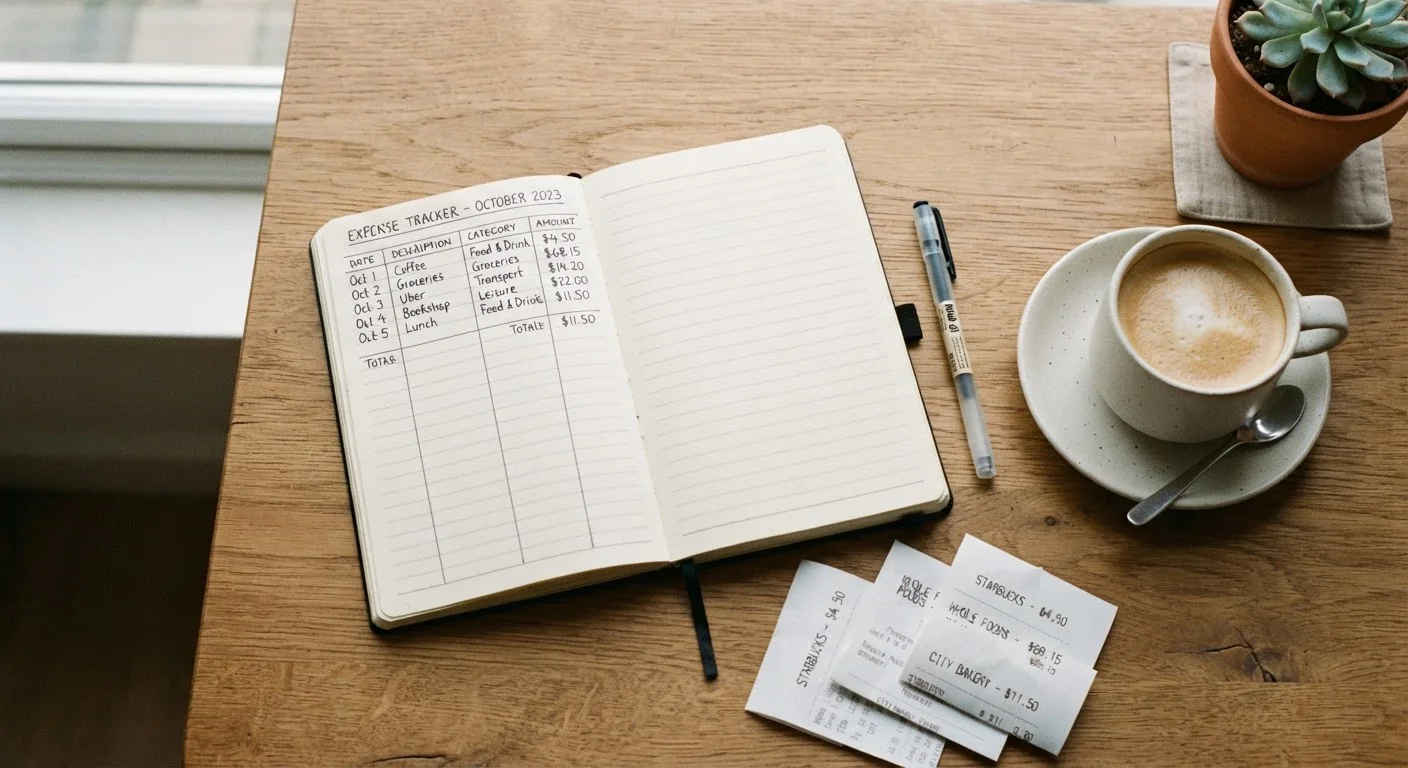
Tracking every purchase means recording each transaction — regardless of size — as close to the moment it happens as possible. That includes the $1.50 vending machine snack, the parking meter, the impulse add-on at checkout. Nothing gets a pass for being "too small to matter."
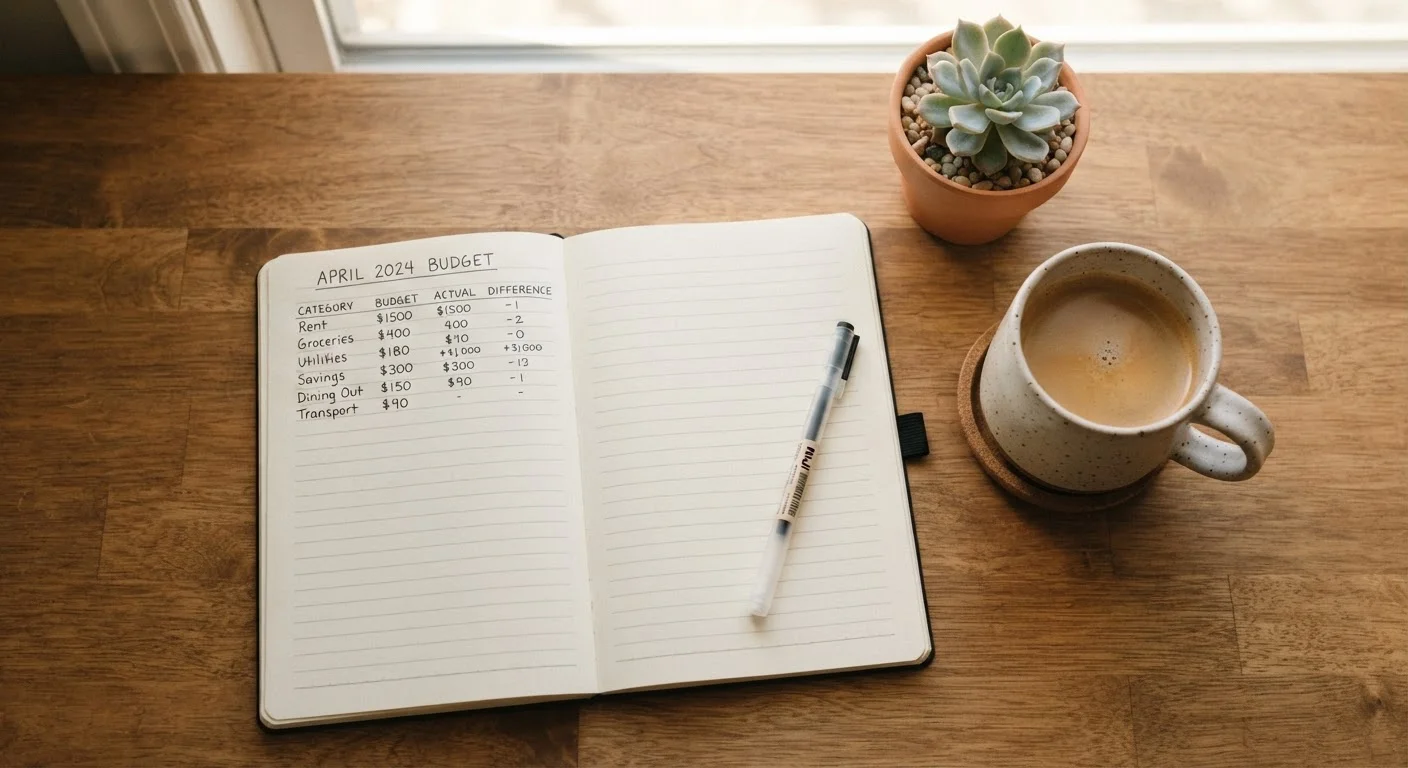
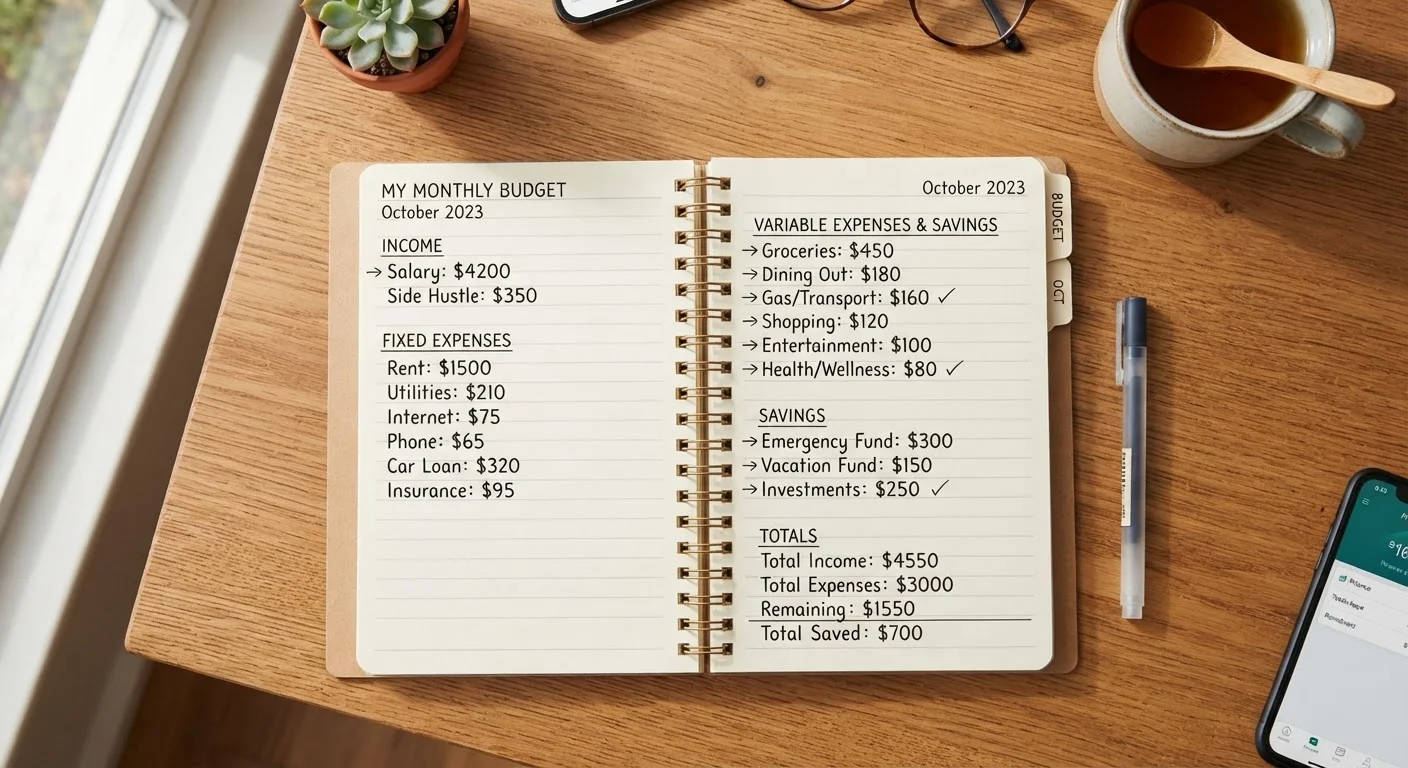
The method itself is straightforward: write down what you spent, how much, and optionally a category (food, transport, entertainment). You can use a small notebook, a notes app, a spreadsheet, or a dedicated budgeting app. The tool is secondary. What matters is the consistency.
This is different from reviewing your bank statement at the end of the month. That's retrospective. Purchase tracking is active and real-time — you're building the record as you go, which changes how aware you are of each decision. For a deeper look at the habit side of budgeting, see money habits that make budgeting easier.
The Real Benefits of the Habit
The most commonly reported benefit isn't better math — it's better awareness. When you know you have to write something down, you pause before spending. That pause, however brief, introduces a moment of conscious choice where there usually isn't one.
Creates real-time spending awareness, not guesswork
Seeing a number written down makes it concrete in a way that tapping a card rarely does. Many people report that the act of recording a purchase alone makes them more deliberate.
Reveals small expenses that quietly accumulate
A $4 purchase seems trivial in isolation, but five of them a week adds up to over $1,000 a year. A written log makes this visible in a way that memory and estimates typically don't.
Gives you accurate data for building a budget
A real spending record is far more reliable than estimates when you're trying to set realistic category limits. Budgets built on guesses tend to fail because the numbers don't reflect actual behavior.
Works with any tool — no special app required
A pocket notebook and a pen are all you genuinely need. The simplicity means there's no setup barrier and nothing to pay for to get started.
Encourages a brief pause before each purchase
Knowing you'll record a purchase introduces a small moment of reflection. Over time, this can subtly shift impulsive spending habits without requiring rigid rules.
The second benefit is pattern recognition. You might genuinely not realize how often you buy coffee out, or how much small convenience purchases add up across a week. Everyday spending patterns that quietly drain budgets are often invisible until there's a written record to look back at.
There's also an emotional component worth acknowledging. Spending decisions aren't purely rational — they're shaped by mood, habit, and context. If you're curious about that layer, the psychology behind why we spend money the way we do explores it in plain terms.
~$18,000
Average annual U.S. household spending on food
According to the U.S. Bureau of Labor Statistics Consumer Expenditure Survey, food — including dining out — represents one of the largest variable expense categories for American households.
1 in 3
Adults without a monthly budget
Surveys by financial literacy organizations consistently find that a significant share of U.S. adults do not follow a formal budget, often because they lack an accurate baseline picture of their spending.
The Honest Downsides
This habit asks something real of you. The friction is the most common reason people abandon it within a week.
Requires daily effort that many people abandon quickly
The habit only works if it's consistent. Missing even a few days means gaps in the record, which undermines its usefulness as a complete picture of spending.
Can feel tedious or intrusive in social settings
Pulling out a notebook to record a split dinner bill can feel awkward. This social friction leads many people to skip entries rather than disrupt the moment.
Recording data doesn't automatically create change
A log of purchases is only useful if you review it and act on what you see. Without a regular review habit, the data just accumulates without benefit.
Easy to lose accuracy with delayed or batch entry
If you wait until the end of the day — or longer — to record, you're likely to forget small purchases or round figures up or down. The record becomes approximate rather than precise.
It's also worth being honest about scope: tracking purchases tells you where money went, not necessarily why, and it doesn't automatically fix anything. Data without reflection is just a list. The habit only pays off if you actually review what you've recorded and let it inform decisions.
You Don't Have to Do This Forever
Some people maintain a spending log indefinitely and find it valuable. Others use it as a short-term diagnostic tool — running it for a month or two to establish a baseline, then stepping back. Both approaches are legitimate. The goal is insight, not a lifelong administrative burden. Even a single honest month of tracking tends to change how people think about spending for a long time afterward.
Making It Manageable Without Losing the Benefit
The most common mistake is trying to build an elaborate system from day one. Start simple. A small notebook in your pocket or a plain notes app on your phone is enough. Record the amount, what it was for, and move on. You can add categories later once the core habit is stable.
Batch entry — writing everything down once at the end of the day — works for some people, though real-time recording tends to be more accurate. Either approach beats not tracking at all.
If you want to explore the range of tools available, tracking your spending without losing your mind covers pen-and-paper logs alongside digital options in practical terms. For app-based options specifically, note-taking apps and how they compare offers a useful overview.
A two-week trial is a reasonable starting point. Most people find that's enough time to surface at least one genuine surprise about their spending — and that's usually all the motivation needed to keep going. Once you have a clearer picture, the natural next step is putting that knowledge to work: saving money principles that hold up over time can help you do exactly that.
This article is for general informational purposes only and does not constitute personalised financial advice. For guidance specific to your situation, consider speaking with a qualified financial professional.