
Why Habits Matter More Than Willpower
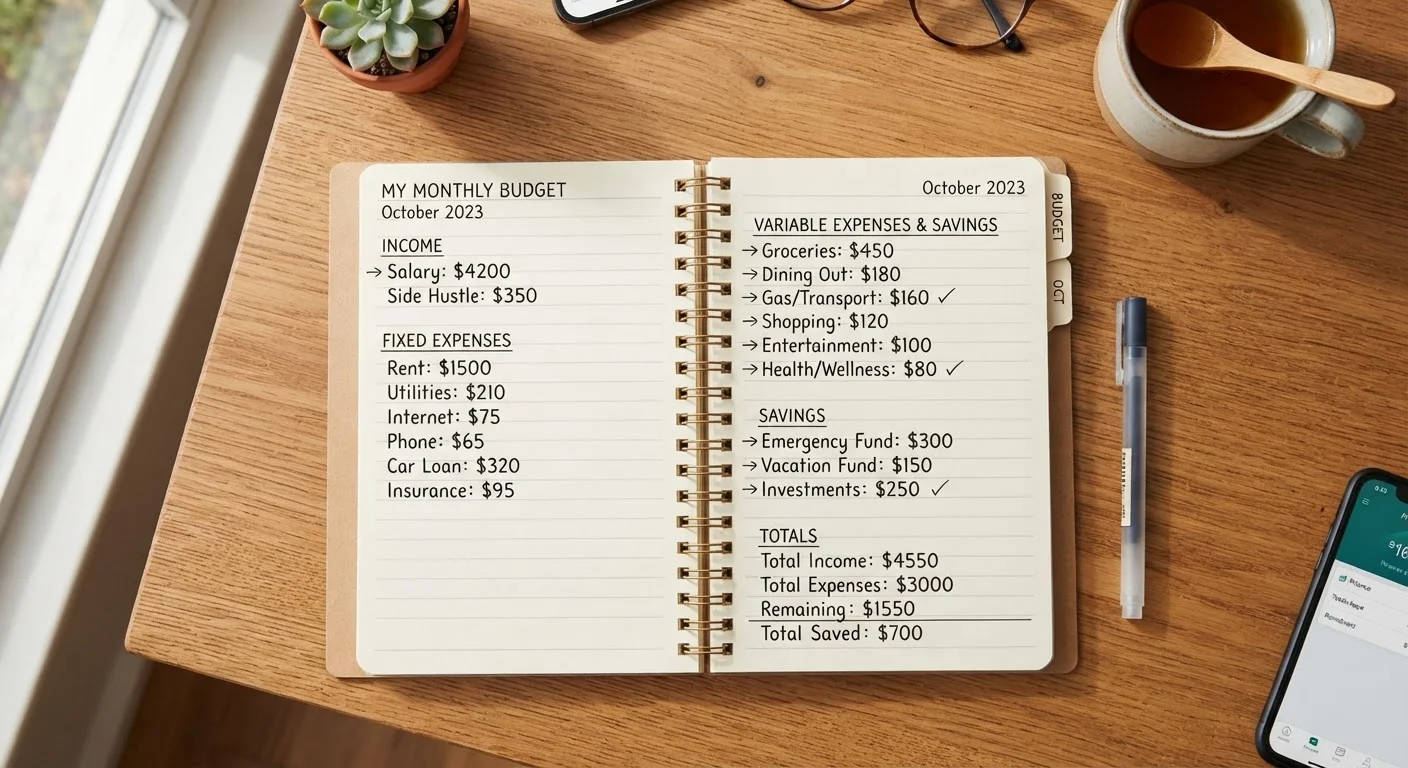
Most people approach budgeting as a task to complete once — set up a spreadsheet, assign some numbers, move on. That approach rarely sticks. What actually works is building a handful of recurring habits that keep your finances visible without requiring constant effort.
Think of it less like dieting and more like brushing your teeth. Nobody agonizes over whether to brush each morning; it's just part of the routine. Financial habits work the same way. Over time, the friction disappears and the behavior becomes automatic.
This article outlines the specific habits that tend to make budgeting feel manageable — even for people who've tried and quit before. For a structured starting point, see our step-by-step monthly budget guide.
Quick Actions You Can Take Right Now
If you're not sure where to begin, don't wait for the perfect moment. Small moves made today can reset your financial baseline faster than you'd expect.
For a deeper look at how your current habits might be helping or hurting you, this piece on counterproductive money habits is worth a read.
Staying Consistent When Life Gets in the Way
Even good habits break down during stressful months — a surprise car repair, a job change, a busy stretch at work. The goal isn't perfection; it's recovery speed.
Give Yourself a Reset Rule
If you miss a week of tracking or overspend in a category, use a simple rule: acknowledge it, adjust what you can, and start fresh on the first of the next month. Treating a stumble as the end of the budget — rather than a normal interruption — is one of the most common reasons people quit. A reset mindset keeps the habit alive longer than a perfect record ever could.
A useful practice is treating your budget as a living document rather than a fixed rulebook. If your grocery spending spikes one month, adjust another category rather than abandoning the whole system. Use the monthly budget review checklist to make this a structured habit rather than a vague intention.
If you're weighing different budgeting styles, comparing the envelope and spreadsheet methods can help you land on an approach you'll actually keep using. And when you're ready to connect budgeting to broader goals, the complete beginner's budgeting resource covers the full picture in one place.
This article is for general informational and educational purposes only. It is not personalized financial advice. For guidance specific to your situation, consider speaking with a qualified financial professional.