Why Small Leaks Are Deceptively Dangerous
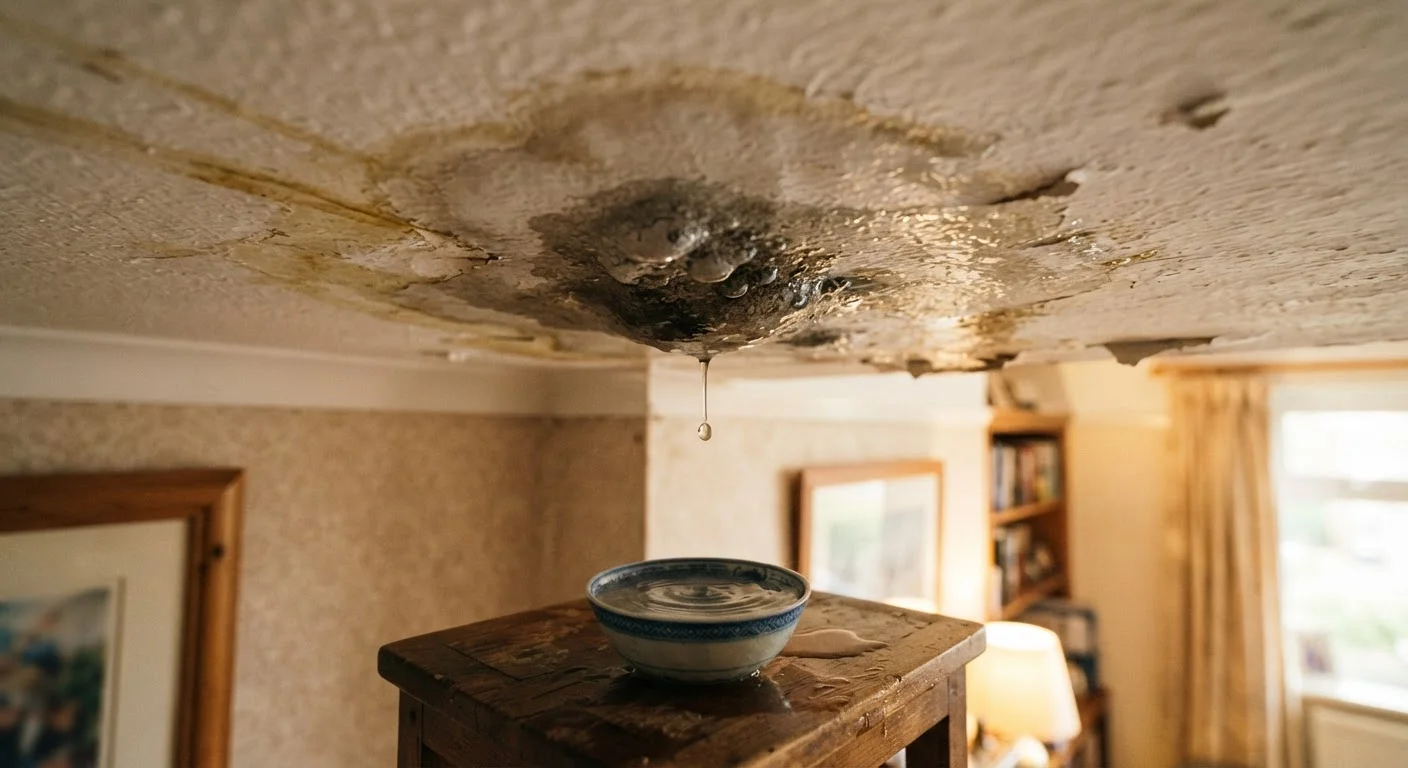
Water is patient. A pinhole drip inside a wall cavity may seem trivial, but over weeks it saturates insulation, softens wooden studs, and creates the warm, damp environment that mold needs to take hold. By the time a visible stain appears on your ceiling or wall, the damage behind it is typically already significant.
The financial consequences follow the same pattern. Catching a leak early — when it is still a matter of tightening a joint or replacing a washer — costs very little. Waiting until water has compromised drywall, framing, or flooring can turn a minor repair into a major renovation. Understanding common home maintenance myths can help you avoid the assumption that "it's only a small drip" is a safe reason to wait.
10%
Homes with leaks wasting 90+ gallons daily
According to the U.S. Environmental Protection Agency, about 10% of homes have leaks that waste 90 gallons or more of water per day.
~$13,000
Average water damage repair cost per incident
Industry data from home insurance sources suggests water damage and freezing claims average in the thousands of dollars, making early detection critically important.
24–48 hrs
Time for mold to begin forming in wet materials
The EPA notes that mold can begin to develop within 24 to 48 hours of moisture exposure, underscoring how quickly a small leak becomes a health concern.
The Most Common Early Warning Signs
Learning to read your home's signals is the fastest way to catch a leak before it escalates. Watch for these indicators:
- Discolored or bubbling paint and wallpaper: Water migrating through a wall pushes paint and paper away from the surface. Yellow-brown rings or bubbling patches are reliable early signs.
- Musty or earthy odors: A persistent musty smell — especially in a bathroom, basement, or kitchen — often means mold is already growing inside a wall or under a floor.
- Unexplained water bill increases: A sudden rise in your bill with no change in usage habits is a classic sign of a slow supply-side leak somewhere in the system.
- Soft or springy floor areas: Wood subfloor and tiles become soft or slightly spongy when the structural layer beneath them has been repeatedly wetted.
- Visible drips or pooling near appliances: Dishwashers, washing machines, and refrigerators with ice makers are common leak sources. Check behind and beneath them regularly.
Do a Monthly Under-Sink Check
Place a dry paper towel under every sink in your home once a month and leave it for 24 hours. If it is damp when you retrieve it, there is a slow leak at the drain or supply connection that needs attention. This 30-second habit catches a surprisingly high number of early-stage leaks.
If you suspect a hidden leak, our article on your home's water stopcock explains exactly how to shut off your water supply quickly to limit further damage while you investigate.
Where Leaks Hide — and How to Check
Many of the most damaging leaks are invisible from the living space. Common hiding spots include inside wall cavities where supply pipes run, beneath shower trays, inside vanity units, and in the roof space where flashings — the metal strips that seal joins around chimneys and skylights — can corrode or lift.
A simple monthly habit helps: do a slow, deliberate walk-through of each bathroom, kitchen, utility room, and basement. Look under every sink. Run your hand along the base of the toilet. Check the ceiling directly below any upstairs bathroom. Peer into the back of the cabinet where your washing machine hose connects.
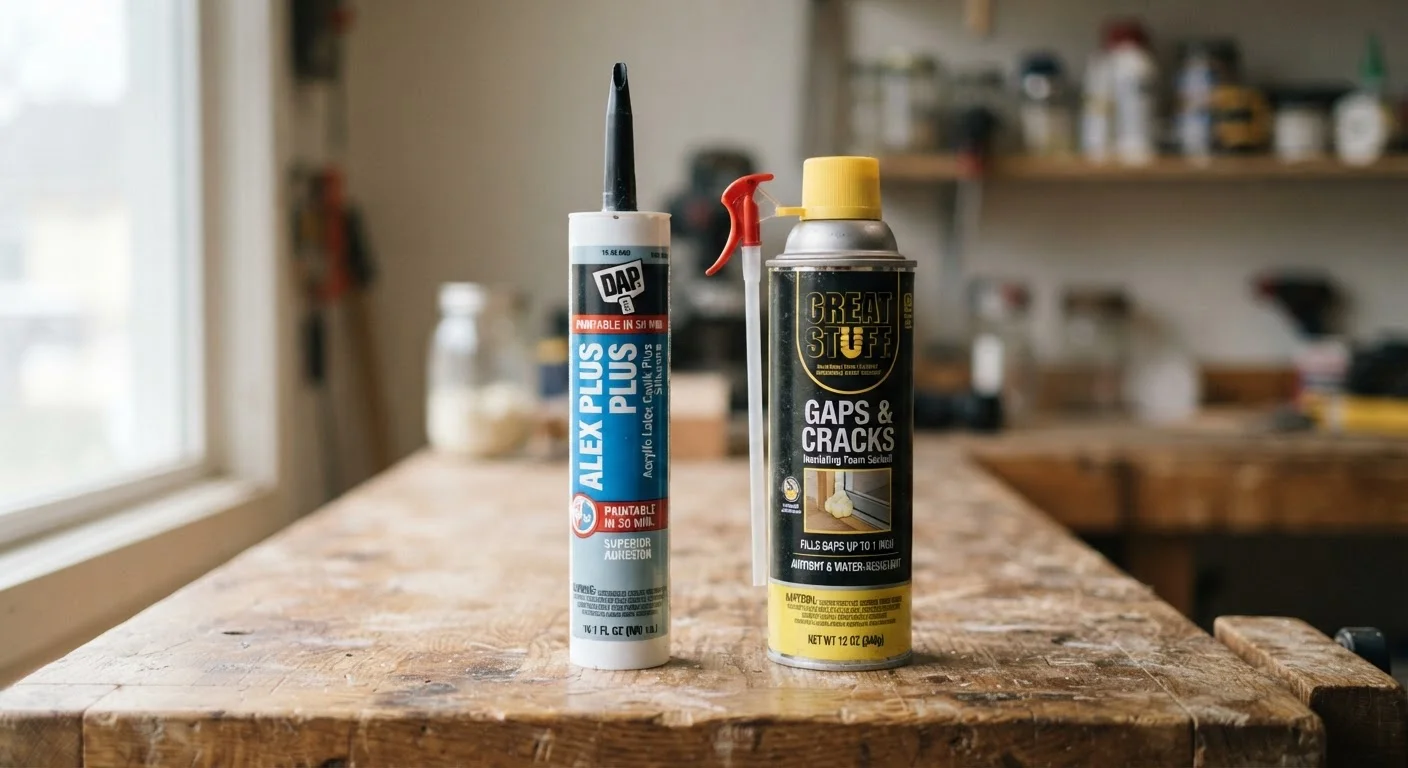
Also consider checking around windows and exterior doors after heavy rain. Gaps in weatherstripping and sealant allow water to track inside — often unnoticed until the frame has started to rot. Our guide on draught-proofing doors and windows covers how to seal these gaps correctly.
Stains Don't Always Mean Active Leaks
A dried, stable water stain with crisp brown edges and firm surrounding material may be a historic mark from a problem that was already fixed. However, a stain with soft or discolored expanding edges, or one that reappears after painting, should be treated as active. When in doubt, have it inspected before redecorating.
What to Do When You Find a Leak
Your first step is always to stop the water if the leak is active. Turn off the supply valve under the affected fixture, or use the main stopcock if you cannot isolate the source. Then document the damage with photos before drying anything out — this matters if you need to make a home insurance claim.
Once the area is dry, assess honestly. Surface stains on paintwork may need nothing more than a stain-blocking primer and fresh paint. But if drywall feels soft, crumbles when pressed, or smells of mold, the affected section typically needs cutting out and replacing rather than patching over. Be cautious about cosmetic quick fixes — rushed repairs often make problems worse by trapping moisture inside. For replacing drywall once moisture is fully resolved, see our guide on patching drywall properly.
If the source of the leak is unclear, or if it involves pipes inside walls, near electrical systems, or in the roof, call a licensed plumber or contractor. Some situations are genuinely not DIY territory, and recognizing that saves money in the long run.