The Core Question: What's Actually at Stake?
Every home repair decision starts with one honest question: what happens if this goes wrong? For a crooked shelf, the answer is minor — you refill a few holes and try again. For an improperly wired outlet, the answer could be a house fire or electrocution. That gap in consequence is the clearest guide you have.
Think of home jobs in three broad risk tiers:
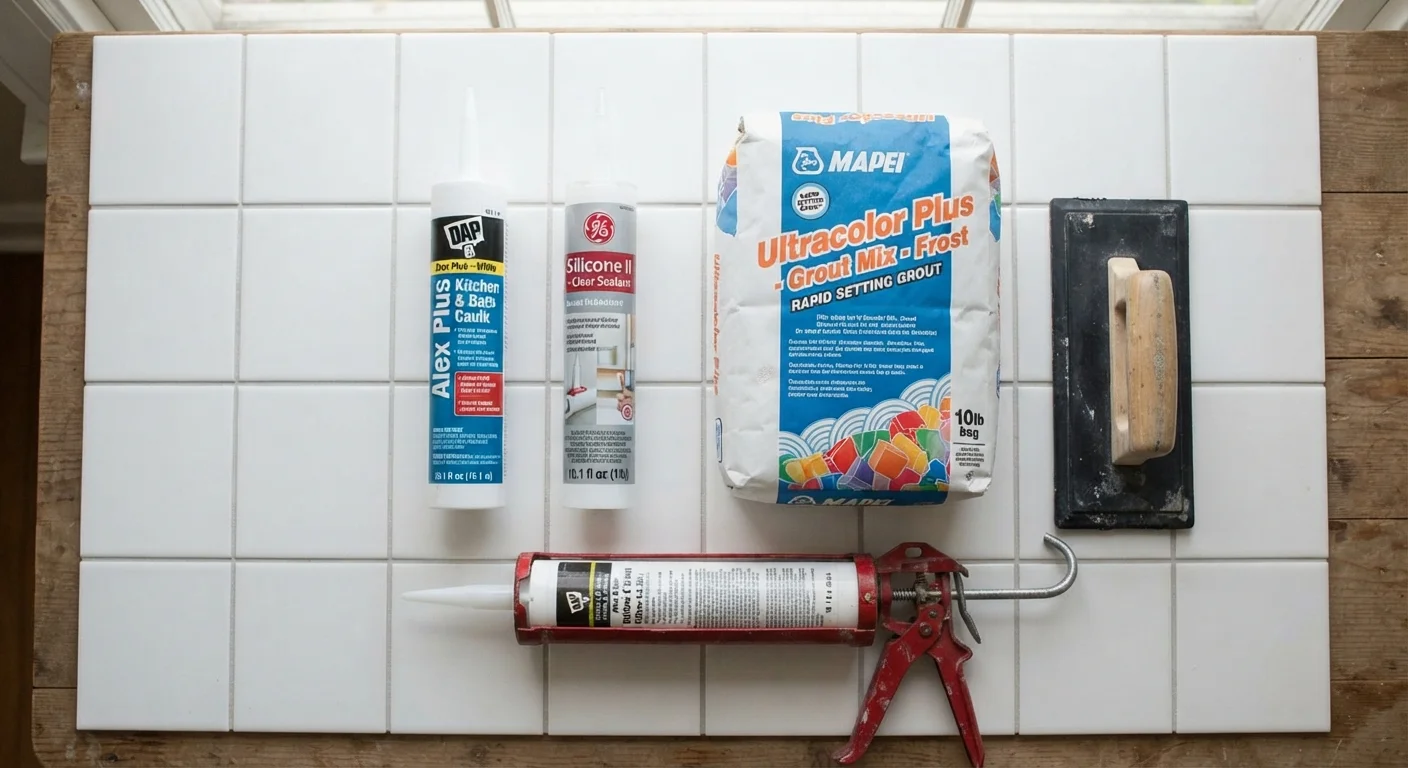
- Low risk: Cosmetic tasks where a mistake is reversible and causes no harm — painting walls, patching small drywall holes, replacing cabinet hardware, caulking a tub surround.
- Medium risk: Tasks with real consequences if done poorly, but manageable with careful preparation — replacing a faucet, installing a ceiling fan on an existing circuit, sealing a roof flashing leak.
- High risk: Work where errors cause serious injury, structural damage, or fire — panel upgrades, gas line work, load-bearing wall removal, mold remediation in large areas.
Most beginners are well-suited for the low-risk tier and some medium-risk tasks. The First-Timer's Map to Home Improvement Projects is a useful starting point for understanding which skills to build first.
DIY vs. Professional: Comparing the Key Factors
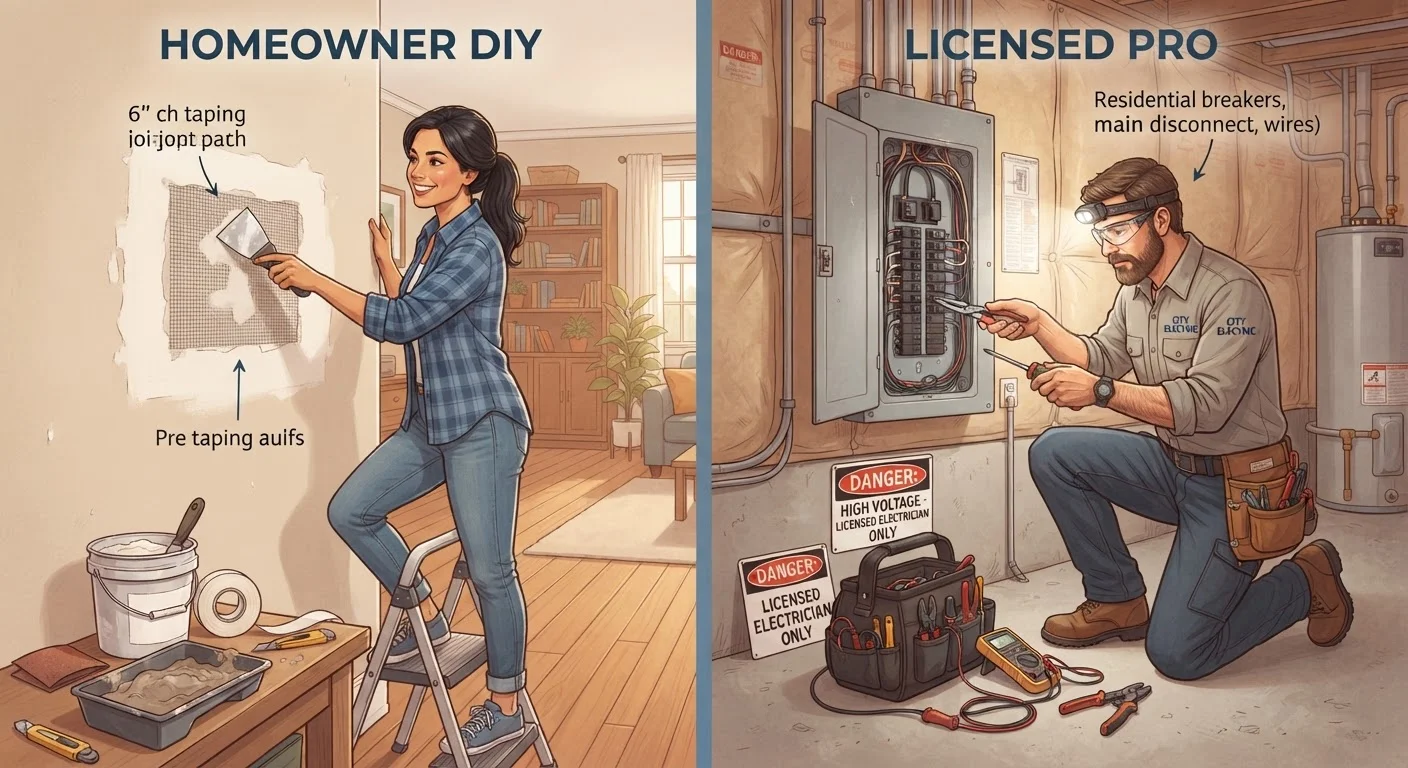
Choosing between doing it yourself and hiring help isn't only about skill — it involves cost, time, legal requirements, and personal safety. Use this comparison to weigh your specific situation:
| DIY | Licensed Professional | |
|---|---|---|
| Upfront cost | Lower — mostly materials and tools | Higher — includes labor rates |
| Time investment | High — learning curve adds hours | Low — experienced, efficient |
| Quality of result | Variable — depends on skill level | Consistent — trained and insured |
| Permit compliance | Risk of skipping required permits | Typically handles permits and inspections |
| Safety assurance | Relies on your own precautions | Regulated training and liability coverage |
| Best suited for | Cosmetic and low-risk maintenance | Electrical, gas, structural, major plumbing |
One factor many beginners underestimate is permits. In most U.S. jurisdictions, electrical work beyond simple fixture swaps, plumbing that touches supply or drain lines in walls, and any structural changes require a permit and inspection. Doing that work without one can complicate a future home sale or void your homeowner's insurance. Always check with your local building department before starting medium- or high-risk projects.
Clear Signals That a Job Belongs to a Professional
Never Skip Permits on Regulated Work
Unpermitted electrical, plumbing, or structural work can void your homeowner's insurance and create significant problems when you sell your home. In some cases, a buyer's lender may require the work to be redone by a licensed contractor before a sale can close. Always verify local permit requirements with your city or county building department before beginning any regulated project.
Beyond the permit question, watch for these specific red flags that mean you should call a licensed tradesperson:
- Anything involving your electrical panel — adding circuits, replacing breakers, or upgrading service. This is regulated work in every state.
- Gas lines — installation, repair, or rerouting of natural gas or propane lines. Even a small leak is a serious hazard.
- Load-bearing walls — removing or modifying a wall that supports your roof or upper floors without an engineer's assessment risks structural collapse.
- Significant water damage or mold — surface mold on a small tile grout line is manageable; mold spreading across drywall or inside wall cavities needs professional assessment and remediation.
- Roof work beyond minor patching — working at height with full roof replacement or major repairs carries injury risk and typically voids manufacturer warranties if not installed by a certified roofer.
For a broader picture of where DIY savings can backfire, see DIY repairs that save money — and those that can cost more if done wrong.
How to Assess Yourself Honestly Before Starting
Skill self-assessment isn't about confidence — it's about accuracy. Ask yourself these questions before committing to a project:
- Have I done anything similar before? First-time tasks always take longer and carry more errors. Budget extra time and a margin for mistakes.
- Do I own or can I borrow the right tools? Improvising with the wrong tool is a leading cause of DIY injuries and poor results. The guide on what beginners get wrong about tools covers the most common errors.
- Can I find clear, step-by-step instructions from a reliable source? If credible guidance doesn't exist for your specific situation, that's a signal the job may be more complex than it appears.
- Is there a reversible stopping point? Good DIY projects let you pause and call for help if you discover something unexpected inside a wall or under a floor.
When Unsure, Pay for a Consultation
Many licensed electricians, plumbers, and contractors offer paid consultations for an hour or less. Having a professional assess a job before you start — even if you plan to DIY — can reveal hidden complications and confirm whether it's safe to proceed. That small upfront cost often prevents far larger expenses later.
Once you've decided to move forward, the room-by-room readiness checklist can help you prepare your workspace and gather everything you need before work begins. And for a foundational understanding of what routine home upkeep involves, Home Maintenance Demystified is an excellent complement to this article.