What Each Product Actually Does
Both caulk and expanding foam are gap fillers, but they work in fundamentally different ways. Understanding that difference is the first step to choosing correctly.
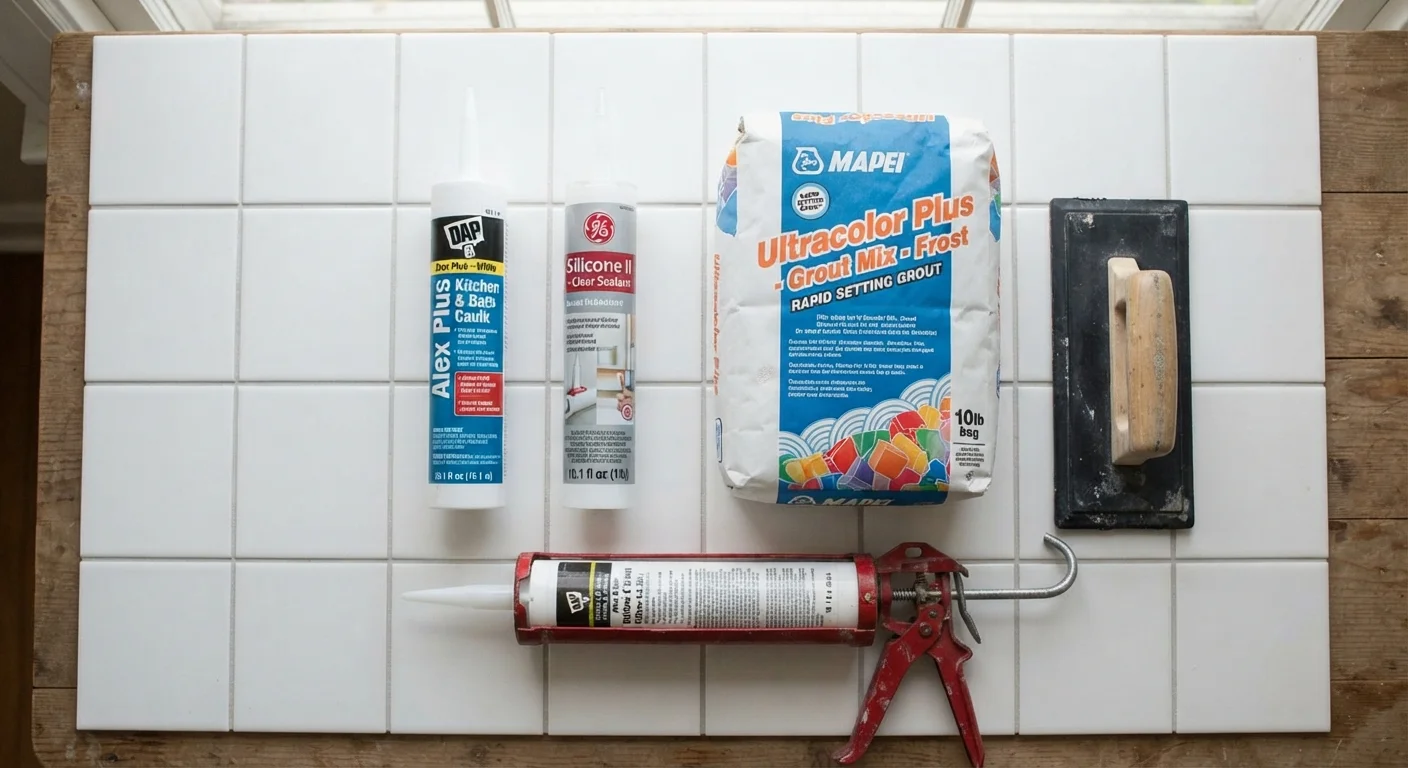
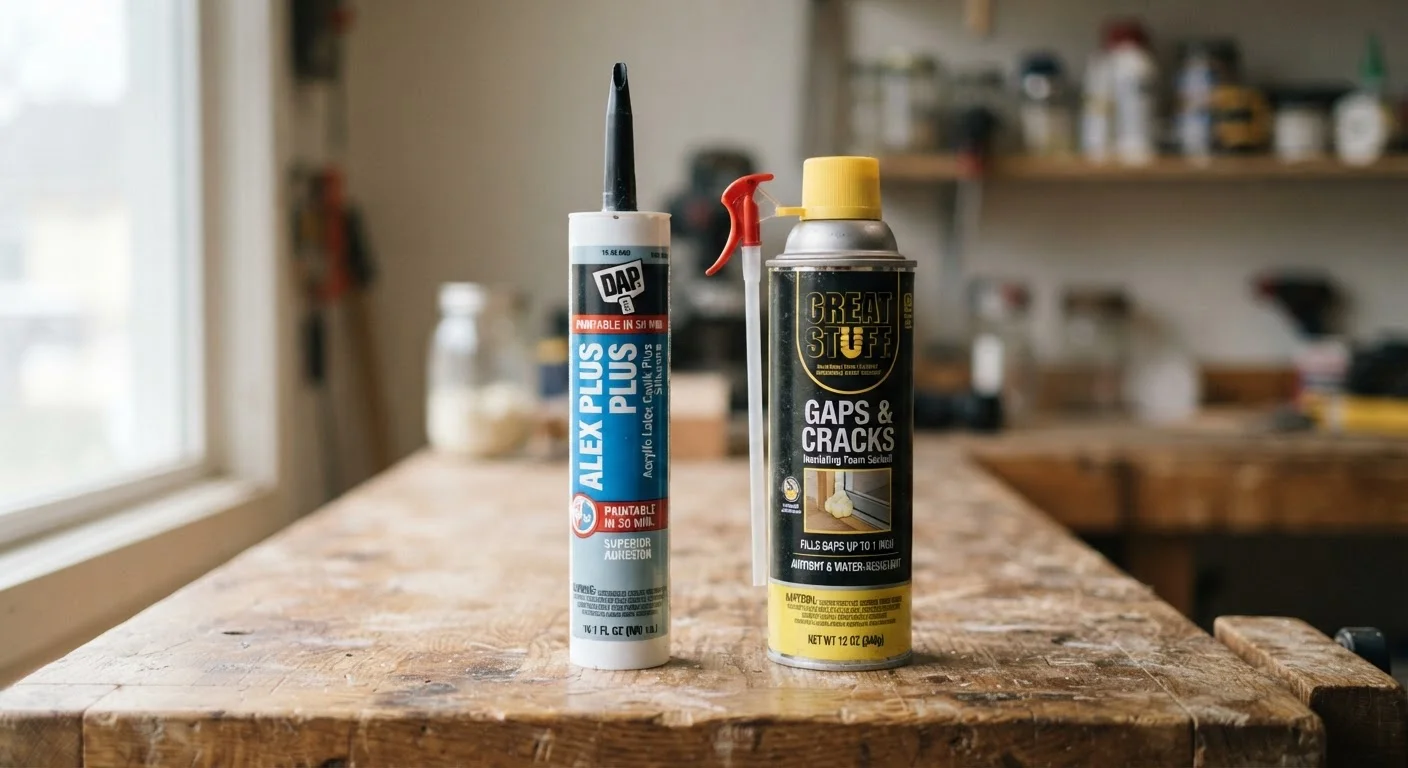
Caulk is a paste-like sealant dispensed from a tube using a caulk gun. It stays relatively flexible once cured, which makes it well suited to joints between surfaces that move slightly — think where a bathtub meets tile, or where a window frame meets drywall. It dries to a smooth bead that can be painted over, making it the right call for any gap you actually have to look at every day. For a closer look at how caulk compares to related products, see our guide to grout, caulk, and sealant.
Expanding foam (sometimes called spray foam or polyurethane foam) starts as a liquid that you spray or inject into a gap, then expands dramatically as it reacts with air moisture, filling the void and hardening into a rigid, insulating material. It's designed for large, irregular openings — the kind caulk simply cannot bridge without cracking or falling away.
Head-to-Head: How They Compare
The table below captures the most practical differences a beginner should know before picking up either product.
| Criterion | Caulk | Expanding Foam |
|---|---|---|
| Best gap size | Up to ½ inch wide | ½ inch and larger |
| Flexibility when cured | Remains flexible | Cures rigid |
| Insulating value | Minimal | Good thermal and air barrier |
| Paintable finish | Yes, once fully cured | Requires trimming and primer first |
| Ease of application | Precise; needs caulk gun | Fast; requires controlled hand |
| Typical use locations | Bathrooms, trim, windows | Walls, crawl spaces, pipe voids |
| Risk of over-application | Low — stays where placed | High — expands significantly |
One nuance worth noting: the flexibility column matters most in areas like bathrooms or around window frames, where temperature changes and slight structural movement are constant. A rigid filler in those spots will eventually crack. Conversely, foam's rigid set is exactly what you want when bridging a large void that needs structural stability.
When Caulk Is the Right Choice
Reach for caulk when the gap is narrow (generally under ½ inch), visible, and located where some surface movement is expected. Classic examples include:
- Where a bathtub or shower surround meets the wall
- Around window and door frames on the interior
- Along baseboards and crown molding
- Where countertops meet walls in kitchens
If you're unsure which type of caulk to use in a wet area versus a dry one, our comparison of silicone and acrylic caulk breaks that down clearly. Application tip: run the bead in one continuous stroke, then smooth it with a wet finger or a caulk-smoothing tool before it skins over. Trying to rework caulk after it begins to set creates a messy result.
Caulk Has a Shelf Life
Unopened caulk tubes typically last one to two years from manufacture. A tube that has been partially used and left with the nozzle unsealed may skin over or dry out within days. Before starting any caulking job, press the tube gently — if the product feels chunky or has separated, replace it. Bad caulk produces an uneven bead that won't bond properly, no matter how carefully you apply it.
When Expanding Foam Is the Right Choice
Expanding foam earns its place for large, irregular, or hard-to-reach gaps — especially in areas that will be covered up or are out of sight. Common situations include:
- Gaps around pipes, cables, or ducts passing through walls or floors
- Large openings in rim joists, crawl spaces, or attics
- Gaps wider than ½ inch around exterior door frames before trim is installed
- Sealing drafts in basement sill plates
Important safety note: Never use standard expanding foam in areas exposed to high heat, such as near chimneys or flue pipes. Fire-rated foam or other approved materials are required in those locations — consult a licensed professional if you're unsure.
Beginners consistently underestimate how much foam expands. Apply it in passes, leaving room for expansion. You can always trim the cured excess with a utility knife, but you cannot un-expand foam that has already pushed trim or warped a door frame.
Also keep in mind: unlike caulk, most expanding foams are not paintable without a primer coat, and the yellow-orange cured foam is visually unappealing — plan to cover it with trim, drywall, or another finishing material. Avoiding the temptation to rush this step is something our article on rushed repairs that create bigger headaches covers in depth.
A Quick Rule of Thumb for Beginners
If you're ever standing in the hardware aisle unsure which to grab, use this simple guide:
- Measure the gap. Under ½ inch — caulk. Over ½ inch — foam.
- Check visibility. Will you see it? Caulk. Hidden behind trim or in a wall cavity? Foam is fine.
- Consider movement. Joints between dissimilar materials or in wet areas flex over time — caulk's flexibility handles this better.
- Check the heat level. High-heat zones near fireplaces or flues need specialist materials — neither standard caulk nor foam is appropriate there.
For jobs that sit at the boundary between caulk and grout — like tiling work — our caulk vs. grout breakdown helps you understand where each belongs. Choosing the right filler from the start is genuinely one of the simplest ways to avoid a repair job becoming a repeat job.
~30%
Home heat loss through gaps and cracks
The U.S. Department of Energy estimates that air leaks through gaps, cracks, and openings can account for roughly 25–30% of heating and cooling energy use in a typical home.
½ inch
Gap width that separates caulk from foam
General industry guidance consistently uses the half-inch threshold as the practical dividing line between when caulk or expanding foam is the more appropriate filler.