Use this checklist to systematically prepare your home for cold weather and reduce the risk of frozen pipes, heat loss, and moisture damage.
Key Takeaways
Frozen pipes are one of the most expensive winter emergencies — insulating exposed pipes prevents them.
Air leaks around doors and windows are a leading cause of heat loss in US homes.
Your heating system should be serviced before the first hard freeze, not during it.
Gutters clogged with autumn leaves can cause ice dams that damage your roof and walls.
A room-by-room approach ensures no critical area is overlooked before cold weather arrives.
Why Winterise Room by Room?
Most homeowners think of winterisation as a single job — check the furnace, done. In reality, cold weather stresses nearly every system in your home at once: plumbing, insulation, roofing, ventilation, and more. Tackling each space in sequence is the most reliable way to catch problems before they become expensive emergencies.
This checklist is part of a broader approach to seasonal upkeep. If you want a month-by-month view of what to tackle throughout the year, see the Seasonal Home Maintenance Calendar for a full-year reference. For a deeper look at how your home's systems connect, Maintaining a Home End to End covers structure, plumbing, and heating together.
Work through this list one area at a time. You don't need specialist skills for most tasks — just time, basic tools, and a methodical eye.
Required
Foam pipe insulation sleeves
Wrap around exposed pipes in unheated areas to prevent freezing during cold snaps.
Required
Weatherstripping tape or v-strip
Seals gaps around door and window frames to stop cold air from entering.
Required
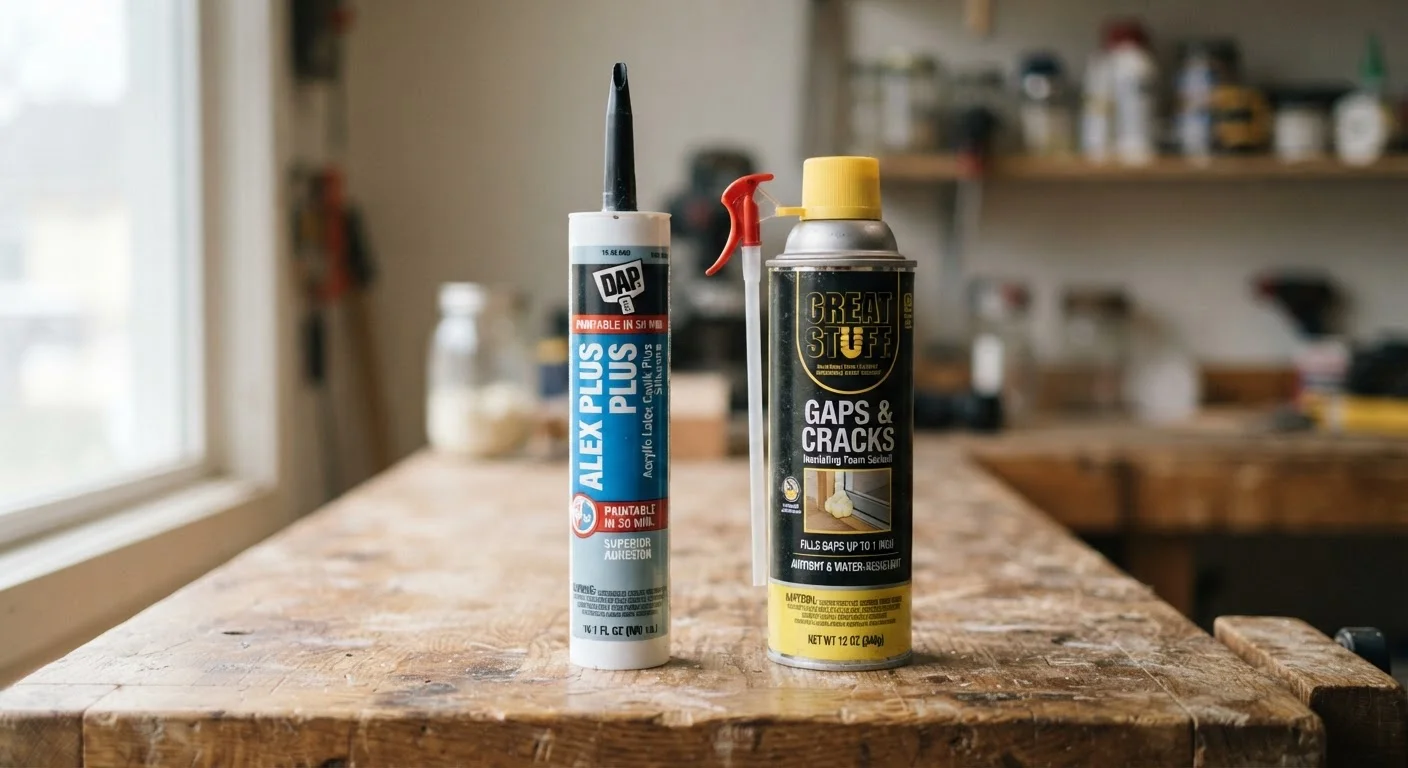
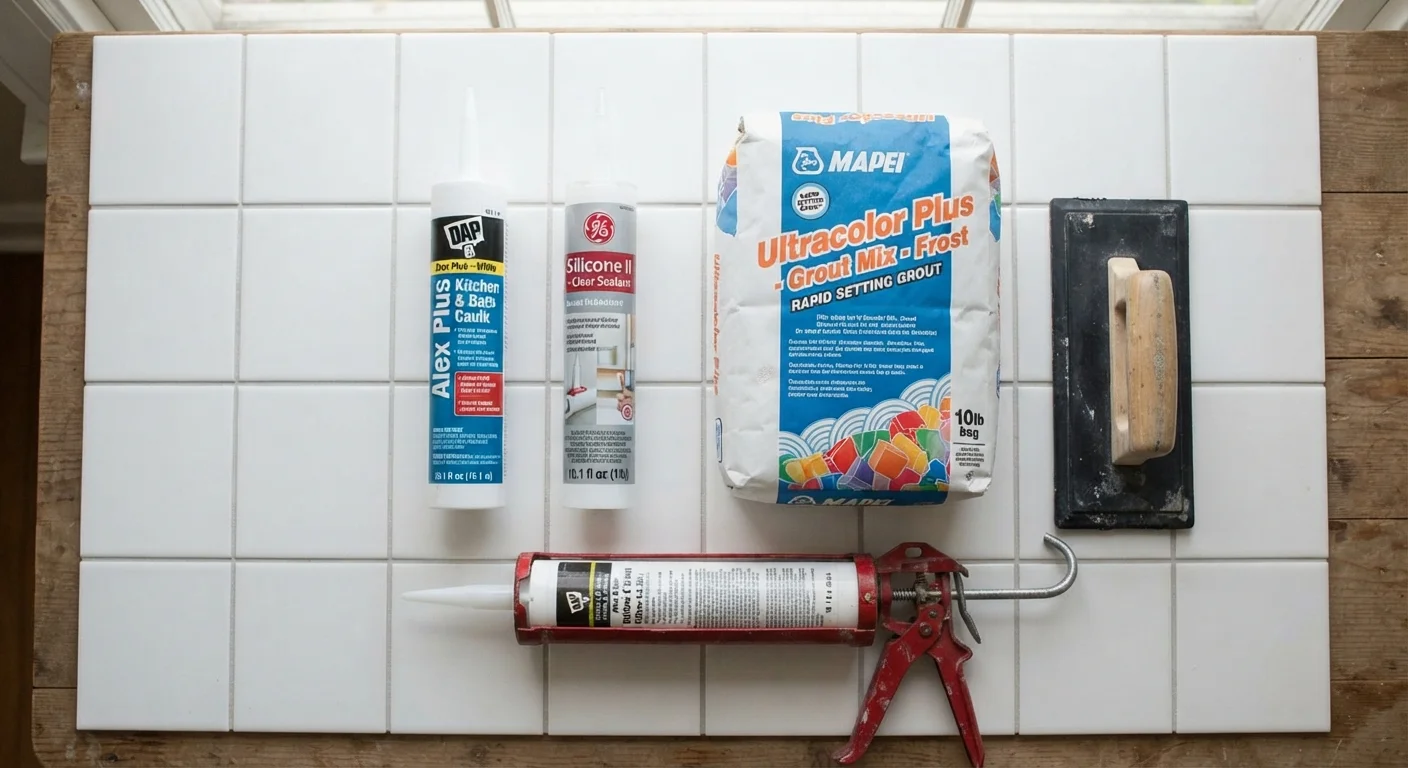
Caulking gun and exterior-grade caulk
Fills cracks and gaps in exterior surfaces where air and moisture can penetrate.
Required
Gutter scoop or trowel
Removes compacted leaf debris from gutters safely before it causes ice dams.
Required
Carbon monoxide and smoke detectors
Provides early warning of combustion hazards that increase when heating systems run continuously.
Optional
Window insulation film kit
Creates an insulating air pocket over single-pane windows to reduce heat loss.
Required
Replacement furnace filters
Keeps your HVAC system running efficiently and maintains indoor air quality through heating season.
The Room-by-Room Winterisation Checklist
The checklist below is organised by location so you can move through your home systematically. Must items are non-negotiable for safety and damage prevention. Should items are strongly recommended. Nice-to-have items add comfort and efficiency.
Exterior & Roof
Clear gutters and downspouts of all leaves and debris so meltwater can drain freely and ice dams cannot form.Must
Inspect the roof visually for missing or lifted shingles; hire a licensed roofer to make repairs before snow adds weight and moisture.Must
Seal any visible gaps or cracks in exterior caulking around window frames, door frames, and where utilities enter the wall.Must
Disconnect and drain garden hoses, then shut off the outdoor spigot (hose bib) from the interior valve to prevent freezing.Must
Check that all exterior vents (dryer, bathroom, kitchen) have functioning flaps that close when not in use to block cold air.Should
Heating System & Basement
Schedule a professional HVAC inspection and tune-up before the first hard freeze — a technician can catch cracked heat exchangers and blocked flues.Must
Replace or clean your furnace filter; a clogged filter forces the system to work harder and reduces indoor air quality.Must
Insulate any exposed water pipes in unheated spaces such as the basement, crawl space, or garage using foam pipe insulation sleeves.Must
Test your carbon monoxide detector and smoke detector, replacing batteries if needed — heating season increases combustion-related risks.Must
Check the basement for any existing moisture or cracks in the foundation walls before freeze-thaw cycles worsen them.Should
Doors, Windows & Living Areas
Apply fresh weatherstripping to exterior doors wherever you can feel a draught or see daylight around the frame.Must
Install window insulation film on single-pane windows to add an insulating air barrier without replacing the glass.Should
Reverse ceiling fans to run clockwise at low speed, which pushes warm air pooled at the ceiling back down into the room.Should
Add door draft stoppers (draft snakes) to the base of exterior doors as a quick, low-cost draught fix.Nice to have
Kitchen & Bathrooms
Identify and insulate pipes located on exterior walls under sinks — these are the most vulnerable to freezing during cold snaps.Must
Know the location of your home's main water shut-off valve so you can act immediately if a pipe does freeze or burst.Must
Check that bathroom exhaust fans are venting to the outside, not into the attic — trapped moisture causes mould and wood rot.Should
Stock a small supply of pipe insulation tape so you can wrap any vulnerable sections you discover during the season.Nice to have
Attic & Insulation
Check your attic insulation depth; many older US homes have less than the recommended R-38 to R-60 for cold climates — top up with batts or blown-in insulation if needed.Should
Verify that attic ventilation (ridge vents, soffit vents) is unobstructed; proper airflow prevents moisture build-up and ice dams.Should
Inspect attic hatch for insulation on its back face — an uninsulated hatch acts as a direct heat-loss point into the attic.Nice to have
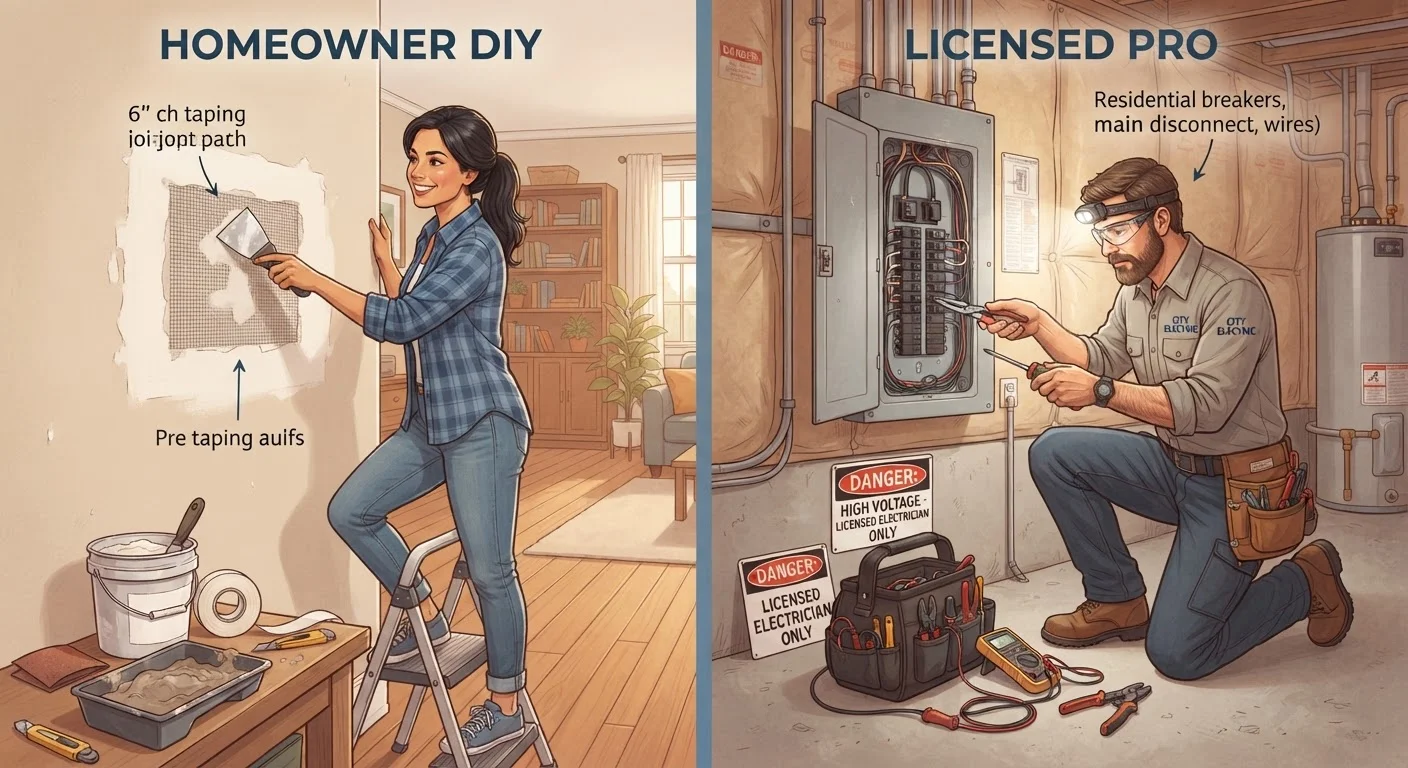
Don't DIY Electrical, Gas, or Structural Repairs
If your inspection uncovers issues with your furnace's gas line, electrical wiring, or load-bearing structure, stop and contact a licensed professional. These repairs often require permits and inspections under local building codes. Attempting them without proper qualifications is dangerous and may void your homeowner's insurance.
One area that rewards a dedicated weekend is draught-proofing. Gaps around door frames and window sills let warm air escape and cold air in, driving up heating bills. Our guide on weatherstripping doors and windows walks you through choosing and installing the right materials step by step.
Act Before Temperatures Drop Below Freezing
Pipes can begin to freeze at sustained temperatures of 20°F (–6°C) or below, especially in unheated or poorly insulated spaces. Once a pipe freezes, the pressure build-up can cause it to burst — a repair that commonly costs several thousand dollars. Complete your pipe insulation and shut off outdoor water supplies well before the first freeze warning in your area.
Home & Garden Editorial Team is the collective byline for our editorial team and contributor network. Articles published under this byline or an editorial pen name are researched, written, and reviewed according to our editorial standards for clarity, consistency, and independence before publication.
The content on this site is for informational purposes only and is not a substitute for professional advice. Always consult a qualified professional for guidance specific to your situation.