
Why Routine Maintenance Matters
A home is not a static object — it's a collection of interconnected systems constantly exposed to weather, use, and time. Neglecting small issues allows them to compound into expensive failures. A dripping faucet strains your water bill; an unchecked roof leak quietly rots the framing beneath it.
The good news is that most home maintenance tasks are straightforward once you understand what to look for and when. You don't need to be a tradesperson — you need a reliable system. This guide walks you through every major home system, explains what can go wrong, and tells you honestly which tasks a beginner can handle and which require a licensed professional.
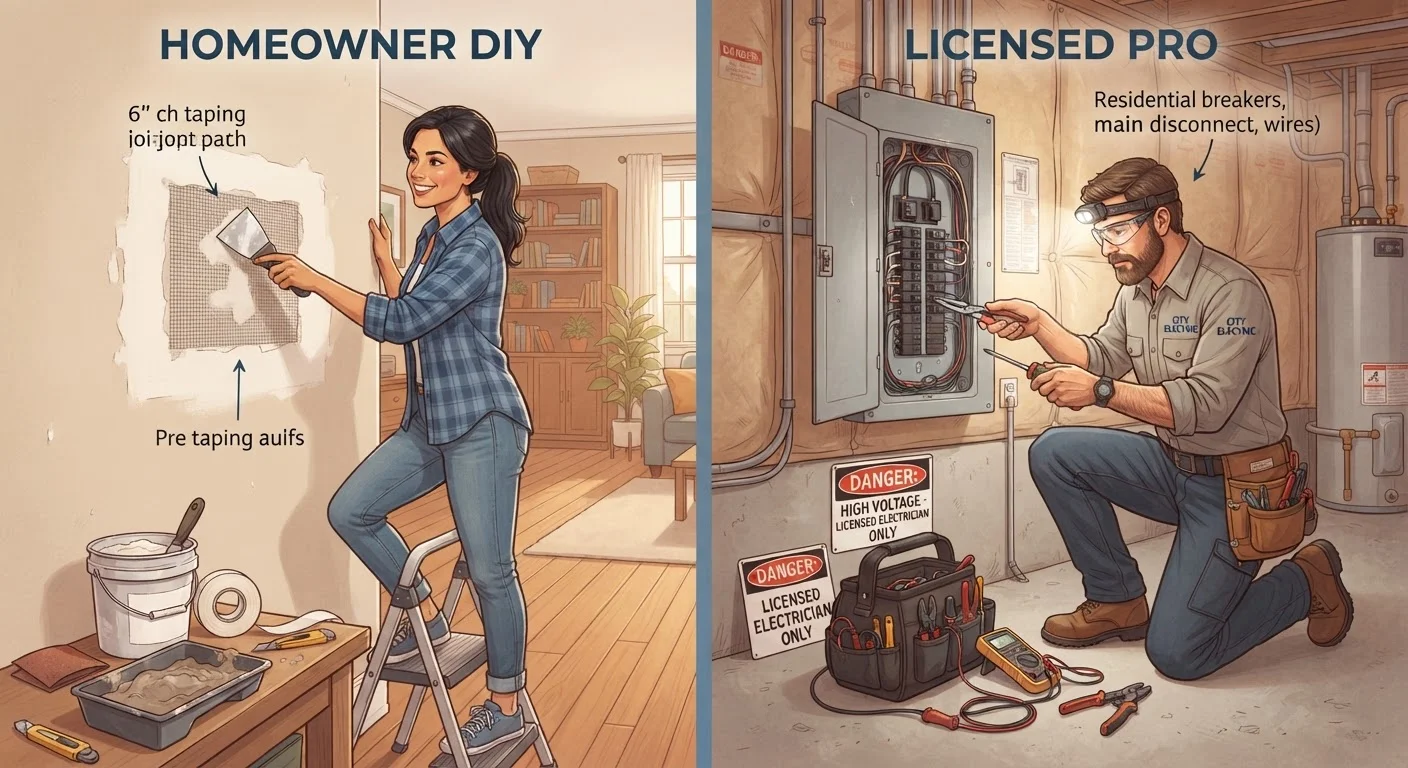
Before diving in, be aware that some home repairs — particularly anything involving gas lines, the main electrical panel, structural walls, or roofing on steep slopes — carry real safety and legal risks. Always verify local permit requirements before starting any significant work, and don't hesitate to call a licensed contractor when in doubt. For a reality check on common misconceptions that trip up new homeowners, see Home Maintenance Myths That End Up Costing Homeowners Money.
$1 : $100
Preventive vs. emergency repair cost ratio
Industry estimates frequently cited by home inspection organizations suggest that every $1 spent on preventive maintenance can avoid up to $100 in emergency repair costs.
85%
Home fires linked to preventable causes
According to the U.S. Fire Administration, the vast majority of residential fires involve causes that routine maintenance — like dryer vent cleaning and smoke detector testing — directly addresses.
5–10 years
Lifespan gained by servicing HVAC annually
HVAC industry guidance suggests regular professional servicing can extend a system's functional lifespan by five to ten years compared to neglected units.
The Exterior: Roof, Walls, and Foundation
Your home's exterior is its first line of defense. Start at the top and work down.
Roof
Inspect your roof visually from the ground twice a year — spring and fall are ideal. Look for missing, cracked, or curling shingles, and check that flashing (the metal strips sealing joints around chimneys and vents) sits flat. Interior warning signs include water stains on ceilings or in the attic. Walking on a roof without training is dangerous; for anything beyond a ground-level visual check, hire a licensed roofer.
Gutters and Downspouts
Clean gutters at least twice yearly — once after leaves fall and once in spring. Clogged gutters force water back against the fascia board and eventually into your walls. Ensure downspouts direct water at least three feet away from your foundation.
Walls and Siding
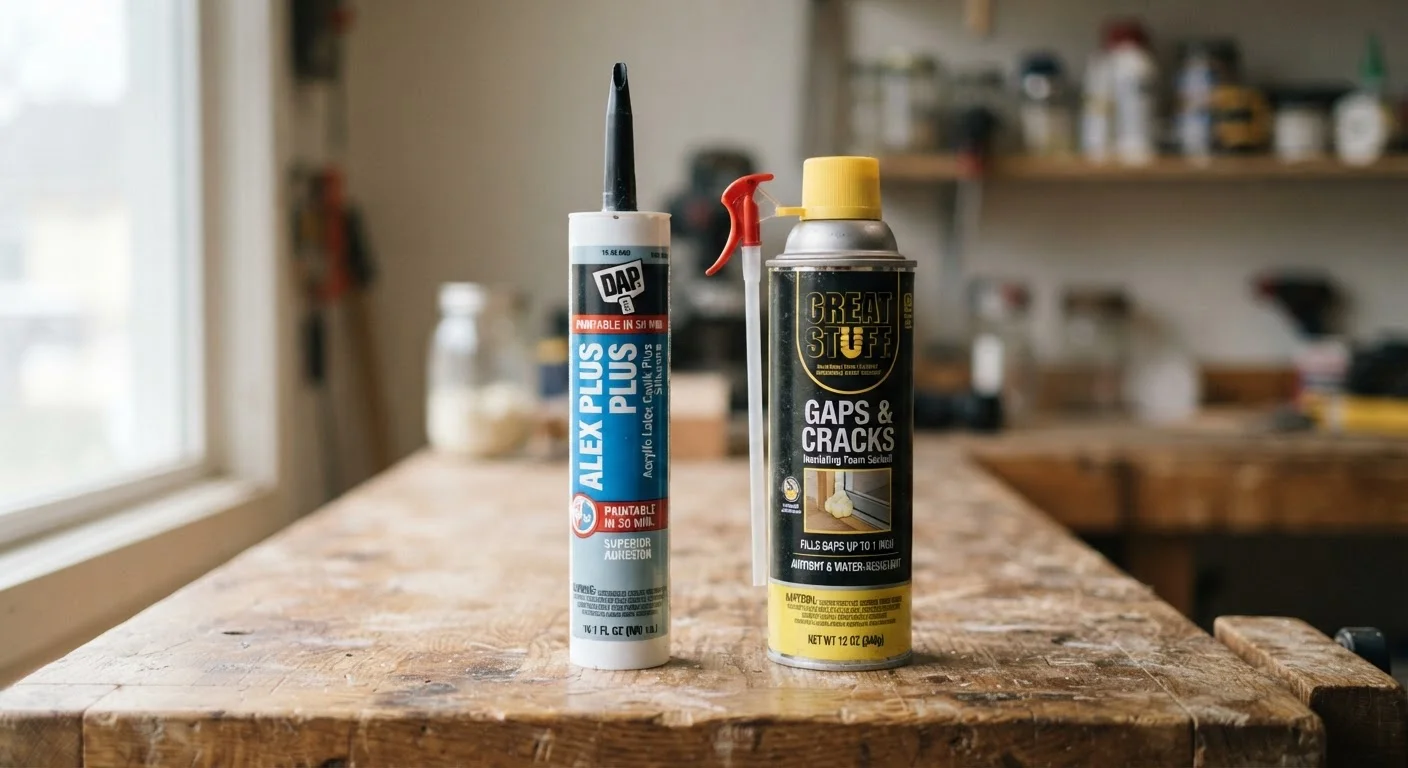
Check siding for gaps, cracks, or soft spots annually. Caulk (a flexible waterproof sealant) around windows and door frames dries out and shrinks over time — re-apply wherever you see cracks or separation.
Foundation
Walk the perimeter and look for cracks wider than a hairline, especially horizontal cracks or stair-step patterns in brick. Fine vertical cracks are common as concrete settles, but significant cracking warrants a structural engineer's evaluation — never ignore it.
Use Binoculars for Safe Roof Checks
You can conduct a detailed roof inspection from the ground using a good pair of binoculars. Scan each section methodically — ridge to eave — to spot lifted shingles, granule loss, or flashing gaps. This keeps you off a potentially slippery surface while giving you actionable information before calling a roofer.
Plumbing Basics Every Homeowner Should Know
You don't need to understand every pipe in the house — but knowing a few fundamentals prevents panic and water damage.
Locate Your Main Shutoff Valve
Before anything else, find and test your home's main water shutoff valve. It's usually near where the water line enters the house — in the basement, utility room, or outside near the foundation. Make sure every adult in the home knows where it is.
Beginner-Safe Tasks
- Check under sinks for slow drips or moisture every few months.
- Clean faucet aerators (the small mesh screens at tap ends) annually to maintain water pressure.
- Flush water heaters yearly to remove sediment buildup — consult the manufacturer's instructions for your specific unit.
- Test toilet flappers by adding a few drops of food coloring to the tank: if color appears in the bowl without flushing, the flapper is leaking and needs replacement.
Turn Off Water Before Any Plumbing Work
Even minor plumbing repairs should begin with shutting off the relevant supply valve — either the local valve under a fixture or the main shutoff if no local valve exists. Attempting repairs with water under pressure can turn a small fix into a flooding emergency within seconds.
Know Your Limits
Anything involving cutting into supply lines, moving drains, or working near the water main is plumber territory. Incorrect plumbing work can void homeowner's insurance and cause hidden water damage.
Heating, Cooling, and Ventilation
Your HVAC system — HVAC — is one of the most expensive systems in the home. Consistent simple maintenance extends its life significantly.
Filters
Replace or clean your HVAC filter every one to three months depending on usage and household factors like pets. A clogged filter forces the system to work harder, raises energy bills, and shortens equipment lifespan.
Annual Professional Service
Have a licensed HVAC technician service the system once a year — ideally in fall for heating systems and spring for cooling systems. They'll check refrigerant levels, clean coils, and inspect safety controls that a homeowner cannot safely access.
Ventilation
Clean bathroom exhaust fan covers quarterly — dust buildup reduces effectiveness and can be a fire risk. Check that your dryer vent exhausts freely to the outside; a clogged dryer vent is a leading cause of house fires.
When you replace your HVAC filter, write the date directly on the new filter with a marker before installing it. You'll always know exactly when it was last changed without relying on memory.
Forgetting filter change dates is one of the most common reasons HVAC systems underperform — a visible date stamp removes any guesswork.
After cleaning gutters, run a garden hose from the far end toward the downspout to confirm water flows freely and no low spots have formed that could cause pooling.
Visual inspection alone misses slow drainage caused by gutter sag, which directs water toward the fascia rather than away from the foundation.
Electrical Safety and When to Call a Pro
Electrical work is one area where the line between DIY and professional work is firm and non-negotiable for safety reasons.
Safe Beginner Tasks
- Replace light switch covers and outlet covers.
- Reset tripped circuit breakers (once — if a breaker trips repeatedly, that signals a problem requiring an electrician).
- Test and reset GFCI outlets monthly. GFCI outlets — the ones with small test/reset buttons, typically in bathrooms and kitchens — protect against shock. Press "Test" then "Reset" to confirm they're working.
- Test smoke and carbon monoxide detectors monthly; replace batteries annually or when the low-battery alert sounds.
Always Hire a Licensed Electrician For
- Any work inside the electrical panel or breaker box.
- Adding new circuits or outlets.
- Fixing flickering lights, burning smells, or warm outlet covers — these signal serious hazards.
- Outdoor or underground wiring.
For a broader overview of the tools that support safe beginner home tasks, The Hidden Logic Behind a Well-Stocked Home Toolkit is a practical starting point. And if you're interested in hands-on improvement projects beyond maintenance, browse DIY & Improvement for beginner-friendly ideas.
Permits Protect You, Not Just the Inspector
In most U.S. jurisdictions, electrical work beyond simple fixture swaps requires a permit and inspection. Unpermitted work can complicate home sales, void insurance claims, and create liability if something later goes wrong. Check with your local building department before starting any significant electrical project.
Building Your Home Maintenance Routine
The most effective maintenance strategy is a written schedule organized by frequency. Here's a simple framework to adapt:
Monthly
- Test smoke and CO detectors.
- Check HVAC filter.
- Look under sinks for leaks.
- Test GFCI outlets.
Seasonally (Every 3 Months)
- Clean bathroom exhaust fans.
- Inspect caulking around windows and doors.
- Check dryer vent for obstructions.
Annually
- Inspect roof and gutters (or hire someone to do so safely).
- Service HVAC system.
- Flush water heater.
- Walk the foundation perimeter.
- Check siding and repaint or re-caulk as needed.
Keeping a simple home logbook — even a notebook — with dates and notes for each task helps you spot patterns, track appliance ages, and prepare for larger future expenses. It's also useful documentation if you ever sell the property.
Well-maintained outdoor spaces complement a healthy home. If you're also working on the grounds around your property, Gardening Basics offers practical foundational guidance.
This article is for general informational and educational purposes only. It does not constitute professional home inspection, engineering, electrical, plumbing, or contracting advice. Always verify local building codes and permit requirements before beginning home repair or improvement work, and consult licensed professionals for tasks that involve safety risks or regulated systems.
Home Maintenance Checklist Template
A printable or digital checklist organized by monthly, seasonal, and annual tasks. Useful for establishing a routine from day one as a homeowner.
U.S. Consumer Product Safety Commission (CPSC)
The CPSC publishes free safety guides on topics from smoke detectors to electrical hazards — reliable, government-sourced reference material for homeowners.
Home Energy Saver Tools (U.S. Department of Energy)
Free online tools from the DOE help homeowners estimate energy savings from insulation, HVAC upgrades, and sealing — useful context for prioritizing maintenance investments.