Why the Right Tool Changes Everything
Most household frustrations — a wobbly shelf, a stripped screw, a picture frame that won't hang straight — trace back to one root cause: using the wrong tool, or having no tool at all. A well-stocked home toolkit isn't about hoarding equipment. It's about owning a logical set of instruments that each solve a specific, recurring problem.
This guide explains what those tools are, what they actually do, and why each one earns its place. Whether you're moving into your first home or finally filling the gaps in a hand-me-down toolbox, use this as your reference. For a broader look at keeping your home in shape, see Home Maintenance Demystified.
| Most-used home tool | Tape measure (Consistently cited in general DIY surveys as the single most-reached-for tool) |
| Stud spacing (standard US framing) | 16 inches on center (Standard US residential framing convention) |
| Spirit level accuracy | Detects as little as 0.5mm off-level per meter (Typical tolerance for quality torpedo and box levels) |
| Recommended cordless drill voltage | 12V–18V for general home use (General guidance for beginner and intermediate home DIY) |
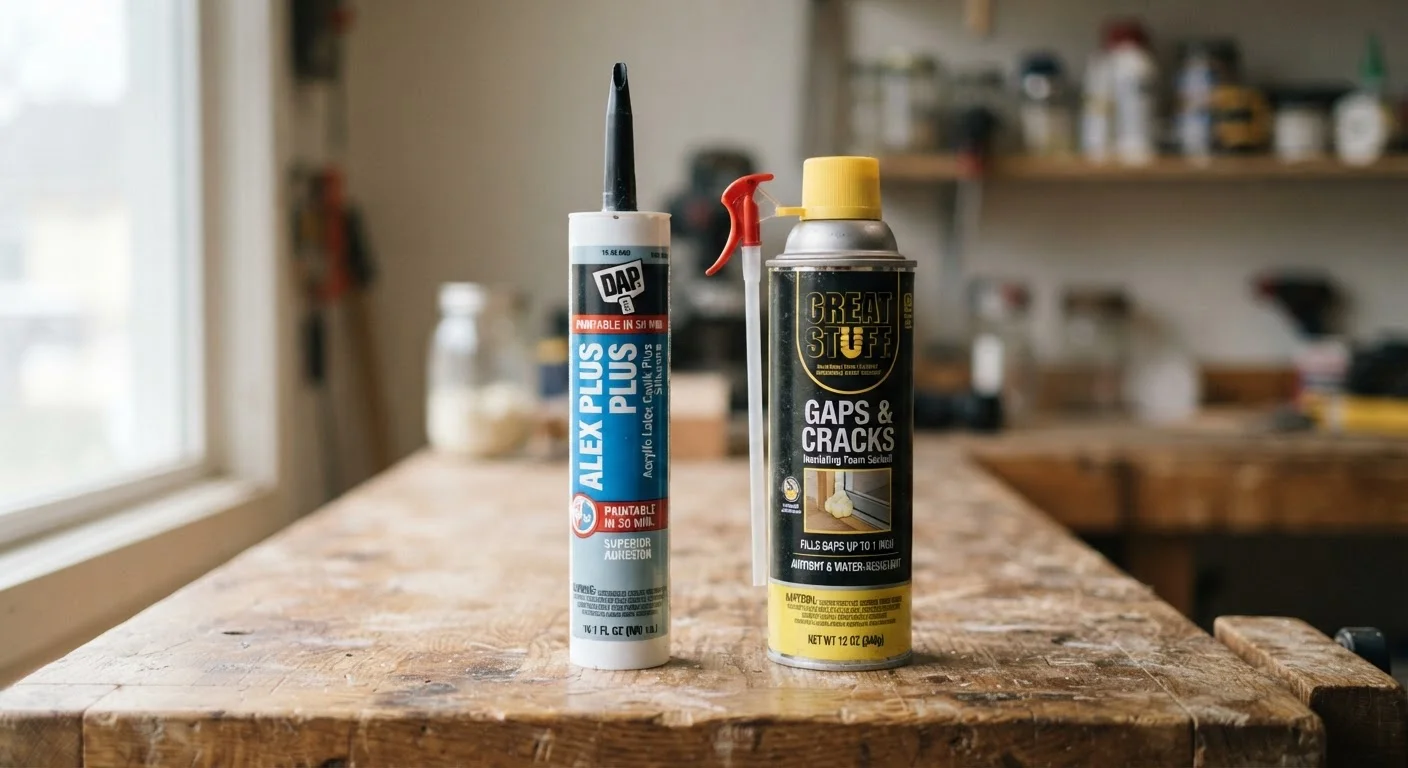
| Caulk flexibility | Remains flexible after curing (Key property distinguishing caulk from rigid fillers) |
| Sandpaper grits to stock | 80, 120, and 220 grit (General recommendation covering rough shaping to finishing) |
The Core Tools and What They Actually Do
Understanding the purpose behind each tool prevents both under-buying and over-buying. Here's the logic for each essential category.
Measuring and Marking
- Tape measure: A retractable steel tape (25 ft / 7.5 m is the most versatile length) handles everything from furniture placement to cutting lumber to size.
- Spirit level: A sealed tube containing liquid and a bubble tells you whether a surface is perfectly horizontal (level) or vertical (plumb). Without one, shelves tilt and frames look crooked even when you can't immediately see why.
- Carpenter's pencil or chalk line: Marking where to cut or drill prevents expensive errors.
Driving and Fastening
- Claw hammer: Drives nails and pulls them out. The curved claw on the back is a lever that removes fasteners without damaging surrounding surfaces — if used correctly.
- Screwdrivers (flathead and Phillips): These are not interchangeable. Phillips screws have a cross-shaped recess; flathead screws have a single slot. Forcing the wrong driver strips the screw head, making removal extremely difficult.
- Cordless drill/driver: Drills holes and drives screws far faster than a manual screwdriver. A variable-speed trigger gives you control; a torque clutch (the numbered collar near the chuck) prevents over-driving screws into soft materials.
Finding What's Hidden
- Stud finder: Walls are hollow between the wooden framing members (studs) that support the structure. A stud finder uses a sensor to detect the density change where a stud sits. Hanging heavy items — shelves, mirrors, cabinets — requires anchoring into studs, not just drywall.
Cutting and Shaping
- Utility knife: Scores drywall, trims caulk, opens packaging, and cuts sheet materials cleanly. Replace blades regularly — a dull blade requires more force and is more dangerous than a sharp one.
- Handsaw: For wood cuts where a power saw is unnecessary or impractical.
Stud
A vertical wooden or metal framing member inside a wall that provides structural support. Screws and hooks anchored into studs hold far more weight than those fixed into drywall alone.
Spirit level
A tool containing a sealed vial of liquid with a bubble. When the bubble sits between the marked lines, the surface is perfectly level or plumb, depending on the vial's orientation.
Plumb
Perfectly vertical — at a true 90-degree angle to the floor. A wall that is out of plumb leans visibly or causes doors and frames to bind.
Torque clutch
The numbered rotating collar on a drill/driver that limits how much twisting force the tool applies. Setting it low prevents screws from being driven so deep they split or damage the material.
Caulk
A flexible, waterproof sealant applied with a caulk gun to gaps and joints around fixtures, windows, and doors. It remains pliable after curing, so it doesn't crack as surfaces expand and contract.
Drywall
The standard interior wall surface in most US homes, made of gypsum plaster pressed between two sheets of paper. It is lightweight and easy to work with but cannot support heavy loads without stud anchoring.
Compounds, Adhesives, and Finishing Supplies
Tools perform actions; supplies complete them. A toolkit without consumables is only half-ready.
- Painter's tape: Low-tack tape that creates clean paint lines and protects surfaces during work without leaving adhesive residue when removed promptly.
- Wood filler and spackle: Wood filler repairs splits and gouges in timber; spackle fills nail holes and small dents in drywall. They look similar but behave differently — spackle is not structural and should not be used to fill gaps in wood joinery.
- Caulk and caulk gun: Caulk is a flexible sealant used around bathtubs, window frames, and door casings. It bridges the small gaps that form as buildings settle and prevents air and moisture infiltration.
- Sandpaper (assorted grits): Lower grit numbers (60–80) remove material quickly; higher numbers (120–220) smooth surfaces before finishing. Always sand in the direction of the wood grain.
For a deeper look at which tasks actually demand this kind of preparation, Tasks Homeowners Forget Until Something Goes Wrong is a practical companion read.
When to Call a Licensed Professional
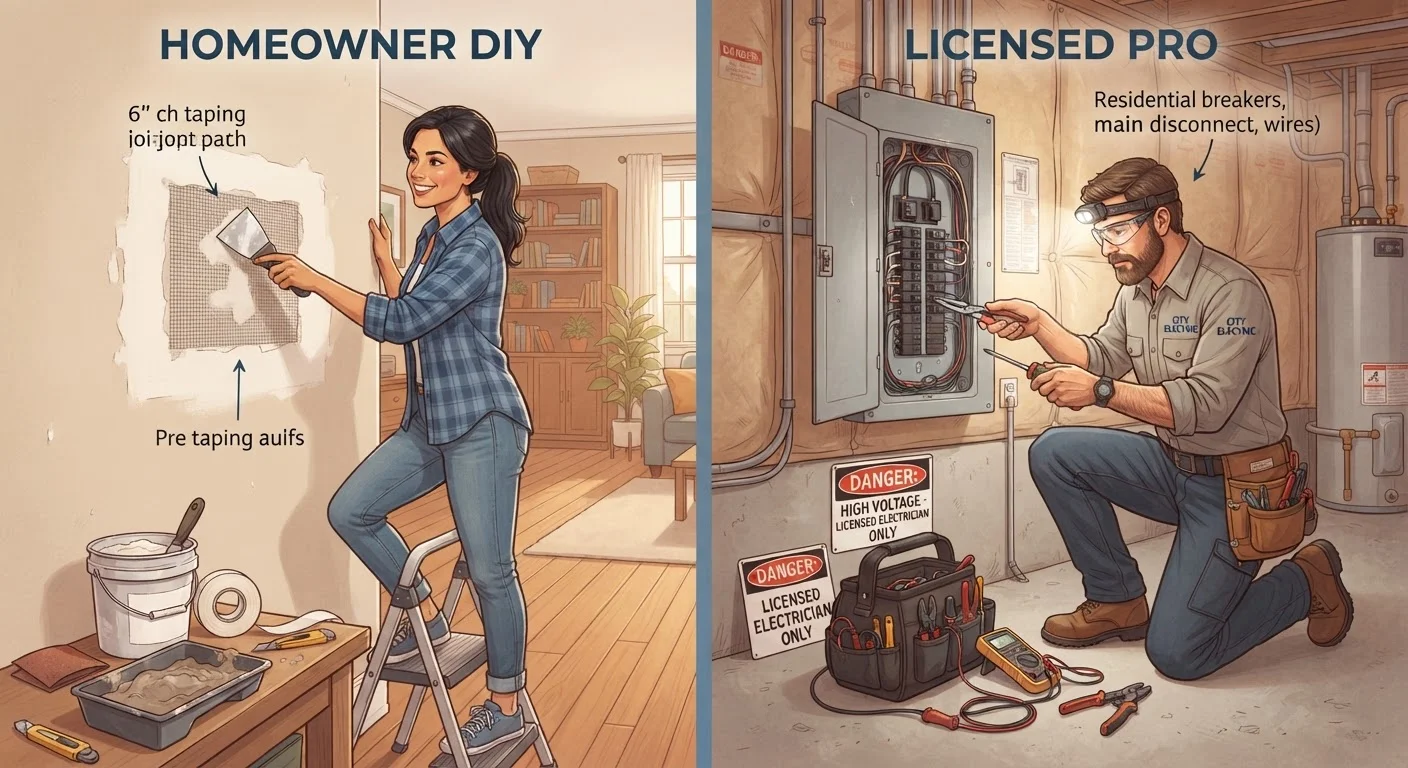
This guide covers general hand tools for common household tasks. Work involving electrical wiring, gas lines, load-bearing structures, or plumbing that connects to the main supply requires a licensed contractor and, in many jurisdictions, a permit. Always verify local code requirements before starting any project beyond basic repairs. When in doubt, consult a qualified professional — it protects both your safety and your home's value.
Building Your Kit Strategically
The most common beginner mistake is buying tools reactively — grabbing whatever looks useful at a hardware store without a plan. The smarter approach is to start with the essentials above and add specialized tools only when a specific project demands them. See What DIY Beginners Get Wrong About Tools for a detailed breakdown of that pattern.
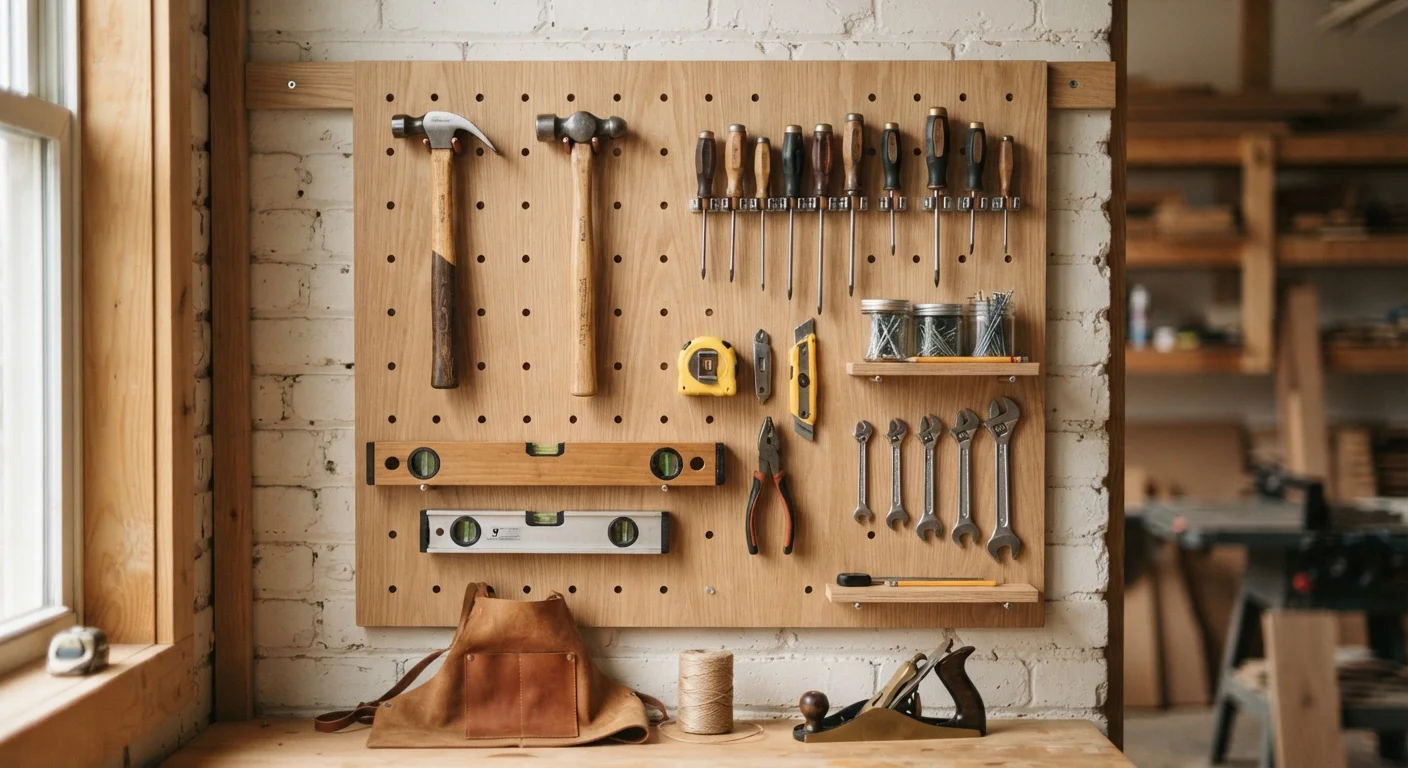
Store tools in a way that makes them findable. A disorganized pile means you'll buy duplicates and won't find what you need in an urgent moment. A simple canvas bag, a plastic organizer, or a wall-mounted pegboard all work well depending on your space.
When you're ready to put these tools to use, A First-Timer's Map to Home Improvement Projects walks through beginner-appropriate projects that build real skill progressively.
Home Maintenance Hub
A curated collection of essential upkeep tasks and guidance for homeowners, covering everything from routine checks to seasonal preparation.
A First-Timer's Map to Home Improvement Projects
A beginner-focused walkthrough of safe, skill-building DIY projects that help you put your new toolkit to practical use.
Maintaining a Home End to End
A comprehensive reference covering home systems, structure, and routine maintenance — useful context for understanding why certain tools matter.