Why Home Maintenance Matters More Than You Think
Most new homeowners focus on decorating, furnishing, and settling in. Maintenance feels abstract — until something breaks. The honest truth is that a home is a mechanical system, and like any system, it needs regular attention to stay functional.
Neglecting upkeep doesn't just risk discomfort. It risks costs. A leaking pipe caught early might mean tightening a fitting. Left alone, the same leak can damage flooring, promote mould growth, and compromise wall structures — turning a five-minute fix into a multi-thousand-dollar project.
The good news: most home maintenance is straightforward. You don't need to know everything at once. You need a basic understanding of what your home contains, what can go wrong, and how to spot trouble early. That's exactly what this guide gives you. For a deeper look at how everything fits together, see our guide on maintaining a home end to end.
Maintenance Is Not the Same as Improvement
Home maintenance means keeping existing systems in working condition — it's different from renovation or improvement projects, which add or change features. Both matter, but maintenance comes first. A beautiful new kitchen counts for little if the roof above it is leaking. Once you're comfortable with maintenance basics, our First-Timer's Map to Home Improvement Projects is a natural next step.
The Core Systems Every Home Has
Whether you own a studio apartment or a four-bedroom house, your home contains the same fundamental systems. Understanding each one helps you know what to watch for.
HVAC
Stands for Heating, Ventilation, and Air Conditioning — the combined system that controls your home's temperature and air quality. It includes your furnace, air conditioner, ductwork, and filters.
Air filter
A replaceable panel inside your HVAC system that traps dust, pollen, and debris before they circulate through your home. A clogged filter forces the system to work harder and reduces air quality.
Caulking
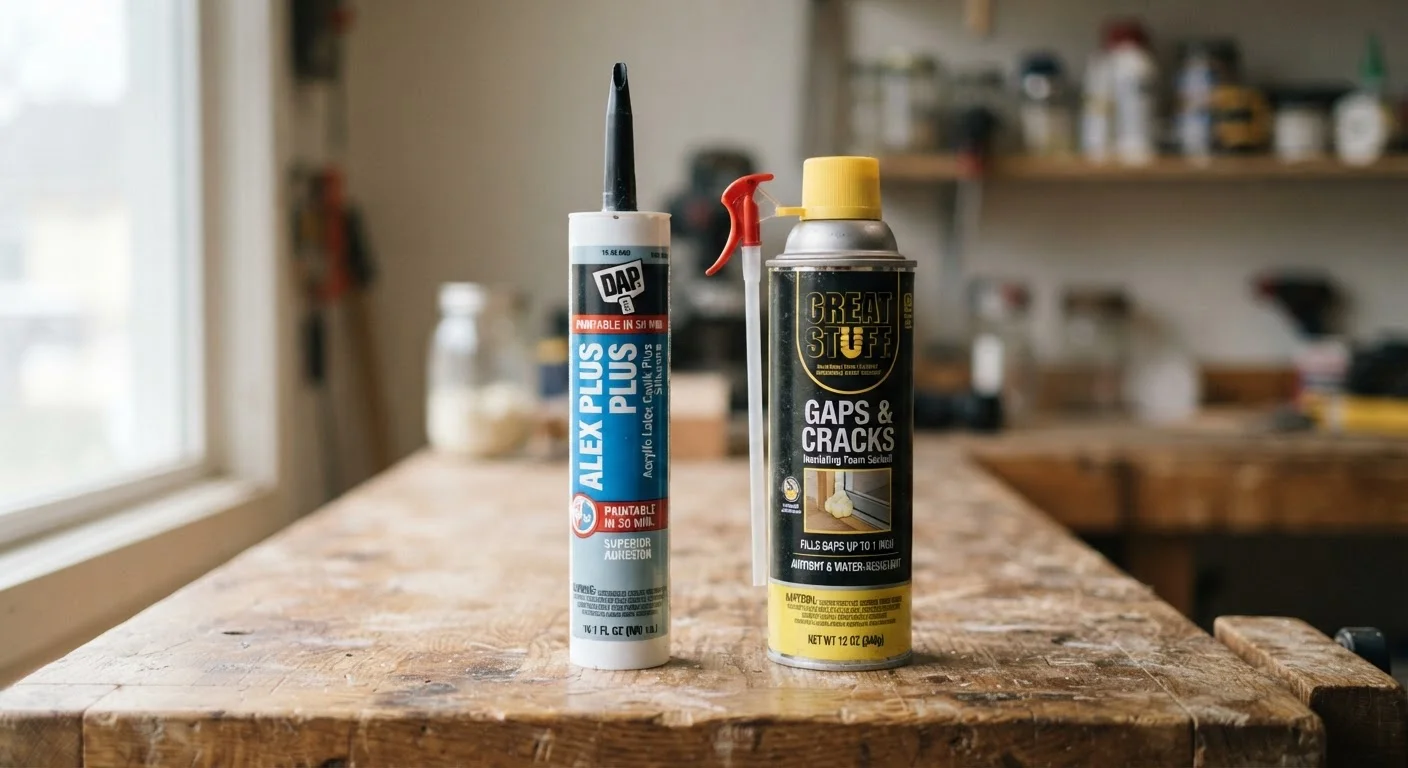
A flexible, waterproof sealant applied around gaps in windows, doors, bathtubs, and other joints. It keeps water and drafts out, and dries into a rubbery bead that can be cut away and reapplied as it ages.
Circuit breaker
A safety switch inside your electrical panel that automatically cuts power to a circuit if it detects an overload or fault. Resetting a tripped breaker is safe; working inside the panel itself is not a DIY task.
Deferred maintenance
Maintenance that has been postponed or ignored. Over time, deferred maintenance allows small problems to worsen, typically resulting in significantly higher repair costs.
Exterior envelope
The outer shell of your home — including the roof, walls, windows, and doors — that separates the inside from outside weather. Keeping it sealed and intact prevents moisture intrusion and energy loss.
- Plumbing: Carries water in and waste out. Watch for dripping faucets, slow drains, water stains under sinks, and damp patches on walls or ceilings.
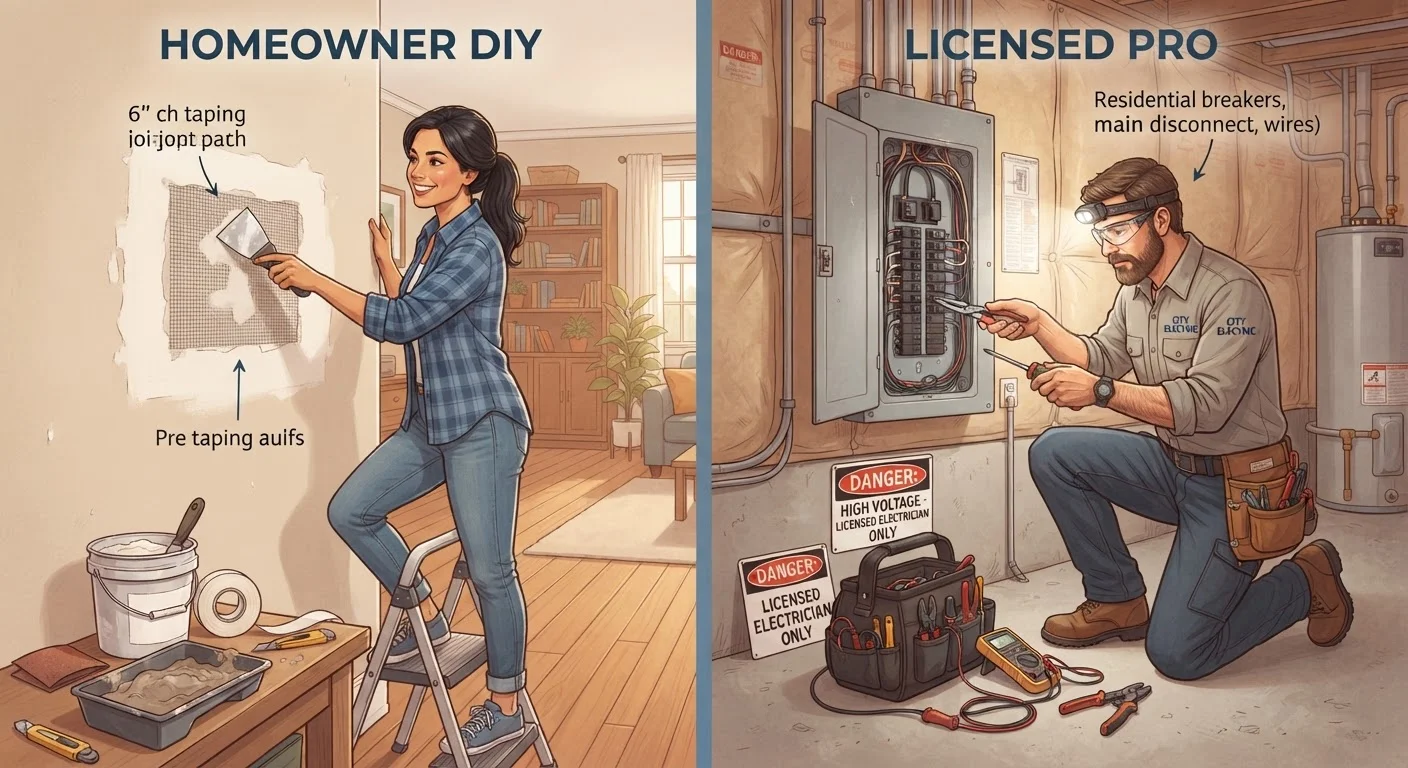
- Electrical: Powers everything from lights to appliances. Signs of trouble include flickering lights, frequently tripping breakers, or outlets that feel warm to the touch. Never attempt to work inside an electrical panel yourself — always contact a licensed electrician.
- Heating, Ventilation, and Air Conditioning (HVAC): Regulates temperature and air quality. Air filters are the most beginner-accessible part of this system and should be checked regularly.
- Structural elements: Roof, walls, foundation, and floors. These change slowly, but cracks, sagging, or water intrusion are warning signs to take seriously.
- Exterior envelope: Windows, doors, caulking, and siding keep the weather out. Gaps and worn seals waste energy and allow moisture inside.
You don't need to be an expert in any of these — you just need to notice when something looks, sounds, or smells different from normal. Early detection is the whole game.
Your First Maintenance Routine: What to Do and When
The simplest framework is seasonal. Every three months or so, run through a short list of checks. Here's a beginner-friendly starting point:
Monthly
- Test smoke and carbon monoxide alarms — press the test button and replace batteries annually or when they chirp.
- Check under sinks for any signs of moisture or slow drips.
- Glance at your HVAC air filter; change it when it looks visibly clogged (typically every 1–3 months depending on filter type and household).
Every Season
- Spring: Inspect the roof for winter damage, clean gutters, check window and door seals.
- Summer: Service your HVAC, inspect outdoor faucets and hoses, look for pest entry points.
- Fall: Clear gutters of leaves, bleed radiators if you have them, have your heating system serviced before heavy use.
- Winter: Insulate exposed pipes in unheated spaces, check attic insulation, keep an eye on ice dam formation on the roof.
For a full month-by-month breakdown, our Seasonal Home Maintenance Calendar is a practical companion to bookmark now.
Create a Home Maintenance File
Keep a simple folder — physical or digital — containing your appliance manuals, warranty documents, and a log of work done and when. When something breaks, you'll know what you have, when it was last serviced, and whether it's still under warranty. This one habit saves real time and money.
When to DIY and When to Call a Professional
One of the most valuable skills a new homeowner can develop is knowing the boundary between tasks you can handle and tasks that require a licensed professional. Getting this wrong in either direction costs you — either in unnecessary contractor fees or in safety risks and code violations.
Generally safe for beginners: replacing air filters, caulking windows, patching small drywall holes, replacing faucet washers, painting, and basic gutter cleaning.
Always hire a licensed professional for: any work on your electrical panel or wiring, gas line repairs or appliance connections, structural alterations, roofing beyond surface-level inspection, and main sewer or water line work. These aren't just safety guidelines — many jurisdictions require permits and licensed contractors for this type of work. Check with your local building authority before starting anything significant.
Our detailed guide on DIY vs. calling a professional walks through the practical signals that help you make this call with confidence.
Gas and Electrical Work: Never DIY
Work involving gas lines, your electrical panel, or structural elements is regulated in most US jurisdictions and must be carried out by a licensed contractor. Attempting these tasks without the proper training and permits creates serious safety hazards and can affect your home insurance coverage. When in doubt, call a professional and ask about required permits before any work begins.
Building Confidence One Task at a Time
Home maintenance feels overwhelming at first because it's unfamiliar, not because it's actually difficult. The solution is to start small and build experience gradually. Pick one beginner task this month — change an air filter, test your smoke alarms, check under every sink. Do it, notice how straightforward it is, and move on to the next.
Having the right tools in the house also matters more than most people realize. You don't need a workshop — just a basic, well-chosen kit. See our guide on building a well-stocked home toolkit to understand what to keep on hand and why.
It also helps to know which easily-overlooked tasks quietly protect a home in the background. Our piece on tasks homeowners forget until something goes wrong is worth reading once you've handled the basics.
No one becomes a competent homeowner overnight. But every task you understand and complete builds a foundation of confidence that compounds over time. You've already taken the most important step: choosing to learn before something breaks.