
Why a Seasonal Calendar Beats Reactive Repairs
Most home repairs become expensive because small problems go unnoticed for months. A seasonal maintenance calendar flips that pattern — you check the systems before they fail, not after. Think of it as a routine physical for your house: predictable, low-stakes, and far cheaper than emergency care.
This reference covers the core tasks for each season. It is not exhaustive, but it covers the jobs that protect the biggest investments in your home: the roof, heating and cooling systems, plumbing, and weatherproofing. For a broader look at what full home upkeep involves, see our end-to-end home maintenance guide.
Spring: Inspect, Clean, and Repair Winter Damage
Spring is the season for assessing what winter left behind and preparing for the wet months ahead.
- Roof and gutters: Walk the perimeter and look for missing or lifted shingles. Clear gutters and downspouts of debris so spring rain drains away from the foundation.
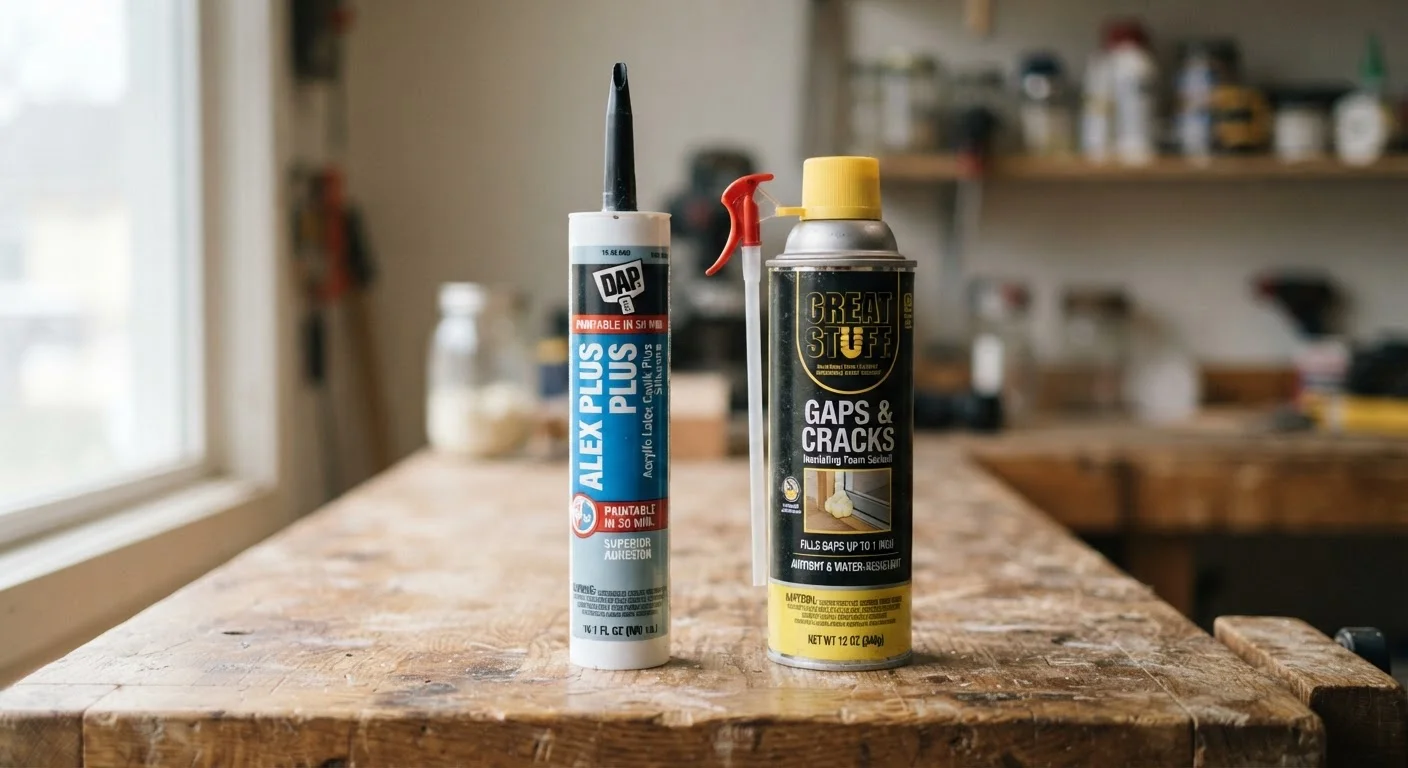
- Exterior walls and caulking: Look for cracked caulk around windows and door frames. Reapplying caulk is a beginner-friendly task that prevents water infiltration.
- HVAC filter: Replace your heating, ventilation, and air-conditioning (HVAC) filter. A clogged filter forces the system to work harder and shortens its lifespan.
- Smoke and CO alarms: Test every detector and replace batteries. This takes under ten minutes and is one of the most impactful safety tasks you can do.
- Outdoor faucets: Check hose bibs for cracks caused by winter freezing. Turn them on slowly and watch for drips at the connection point.
If you also maintain a garden, spring prep indoors and outdoors often overlap. Our seasonal garden prep checklist covers soil and tool readiness before your first planting.
Summer and Autumn: Maintenance and Weatherproofing
Summer focus: systems and the outdoors. Summer is lower-urgency for structural tasks but ideal for outdoor work and cooling system upkeep.
- Air conditioning: Clean the condenser unit outside by gently rinsing fins with a garden hose. Keep vegetation trimmed at least 60 cm (about 2 feet) away from the unit.
- Deck and patio: Inspect wood decking for loose boards, splinters, and rot. Tighten any fasteners you can reach safely; flag structural concerns for a professional.
- Attic ventilation: Check that soffit and ridge vents are clear. Poor attic airflow in summer can drive up cooling costs significantly.
Autumn focus: winterproofing before temperatures drop.
- Heating system service: Arrange a boiler or furnace inspection before peak demand. A qualified technician should handle internal servicing — this is not a DIY task.
- Weatherstripping: Replace worn strips around exterior doors. You should feel no cold draft when doors are closed.
- Gutters (second clear): Clear fallen leaves before the first freeze so ice cannot dam up behind debris.
- Shut off outdoor faucets: Turn off the interior shutoff valve for outdoor taps and drain the lines to prevent freezing.
For a room-by-room winterisation approach, our winter preparation checklist walks you through the full process systematically.
When to Call a Professional
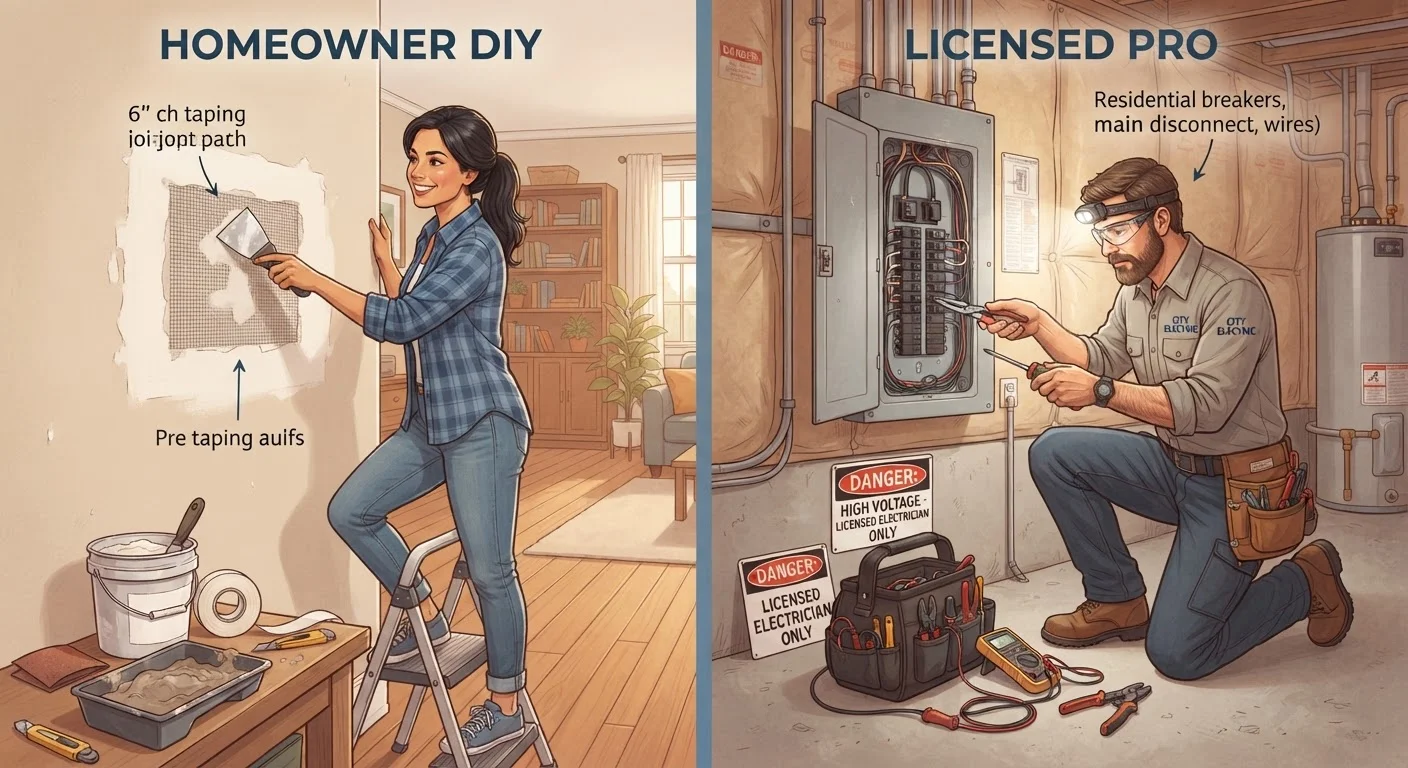
Several seasonal tasks — including internal furnace or boiler servicing, electrical panel inspection, and any roofing repairs beyond visual checks — should be handled by a licensed professional. If a task involves gas lines, structural elements, or working at height, do not attempt it without the appropriate expertise. Always check whether your local jurisdiction requires a permit before starting significant work.
Winter: Monitor, Don't Ignore
Winter maintenance is mostly about monitoring and preventing damage rather than active project work.
- Pipes in unheated spaces: Keep cabinet doors under sinks open on very cold nights to allow warm air to circulate. Know where your main water shutoff valve is before you need it.
- Roof ice dams: If snow accumulates heavily, use a roof rake from the ground to pull snow away from the eaves. Do not climb onto a snow- or ice-covered roof.
- Condensation and humidity: Run bathroom fans during and after showers. Excess indoor humidity in winter can lead to mould growth on cold surfaces.
- Check your sump pump: Pour a bucket of water into the sump pit to confirm the pump activates. Sump pump failure during a winter thaw can cause basement flooding.
Several winter tasks are easy to overlook until something goes wrong. Our article on tasks homeowners forget covers the quiet but important jobs — like air filter changes and alarm testing — that protect your home year-round.
HVAC
Stands for Heating, Ventilation, and Air Conditioning. It refers to the combined systems that control temperature, airflow, and air quality inside your home.
Hose bib
An outdoor water faucet attached to the exterior wall of your home, used for connecting garden hoses. Also called a spigot or outdoor tap.
Ice dam
A ridge of ice that forms at the edge of a roof when heat escapes from the attic and melts snow, which then refreezes at the cold eaves. Ice dams can force water under shingles and cause interior leaks.
Sump pump
A pump installed in a pit (sump basin) at the lowest point of a basement or crawl space. It automatically pumps accumulated groundwater away from the foundation to prevent flooding.
Weatherstripping
Flexible material applied around door and window frames to seal gaps and prevent drafts, water infiltration, and heat loss.
Soffit and ridge vents
Openings in the roof system that allow air to flow through the attic. Soffit vents are located under the roof eaves; ridge vents sit along the roof peak. Together, they prevent heat and moisture buildup.