Why DIY Skills Matter for Every Homeowner
Owning or renting a home means things will eventually break, wear out, or need refreshing. Having even a basic set of repair skills lets you respond quickly, control costs, and understand your home better. You don't need to be a contractor — you need to be capable enough to handle common, low-risk tasks confidently.
DIY competence also helps you make smarter decisions when you do hire help. If you understand roughly what a repair involves, you can have a more informed conversation with a professional and spot when a quote seems unreasonable.
Think of this guide as your starting map — not an exhaustive manual, but a clear path through the basics. For broader context on keeping your home in good shape year-round, explore the home maintenance hub, which covers essential upkeep tasks every homeowner should know.
Stud
A vertical wooden or metal framing member inside your wall. Screwing into studs provides a secure anchor for shelves, heavy artwork, and fixtures.
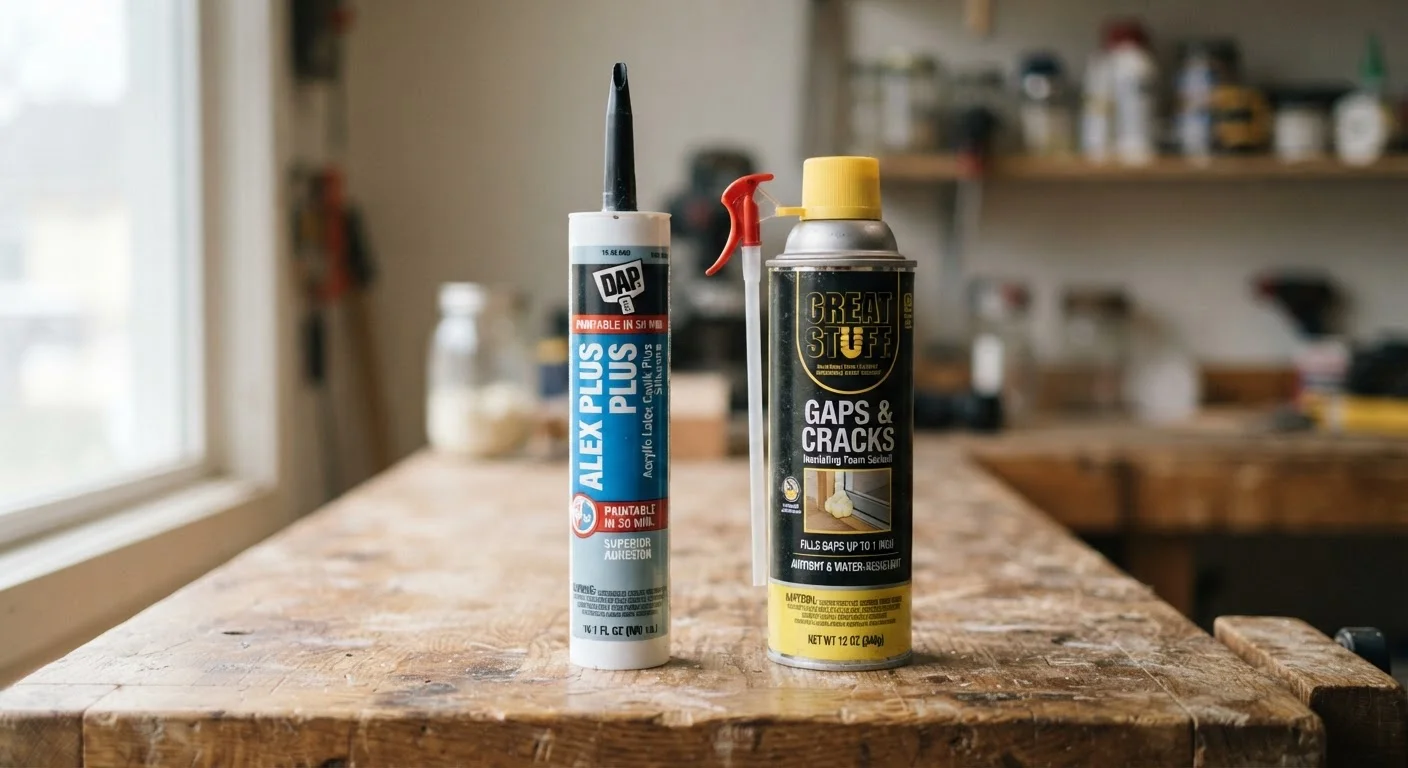
Caulk
A flexible, waterproof sealant applied to gaps between surfaces — such as around windows, tubs, or door frames — to block drafts and moisture.
Drywall
The flat panels made of gypsum plaster that form most interior walls and ceilings in US homes. Also called sheetrock or wallboard.
Load-bearing wall
A wall that supports the weight of the floors or roof above it. Removing or modifying one without professional guidance can cause structural damage.
Aerator
The small mesh screen screwed onto the end of a faucet spout that mixes air into the water flow, reducing splashing and conserving water.
Spackling compound
A paste used to fill small holes and surface imperfections in drywall or plaster before painting. It dries hard and can be sanded smooth.
The Starter Tool Kit You Actually Need
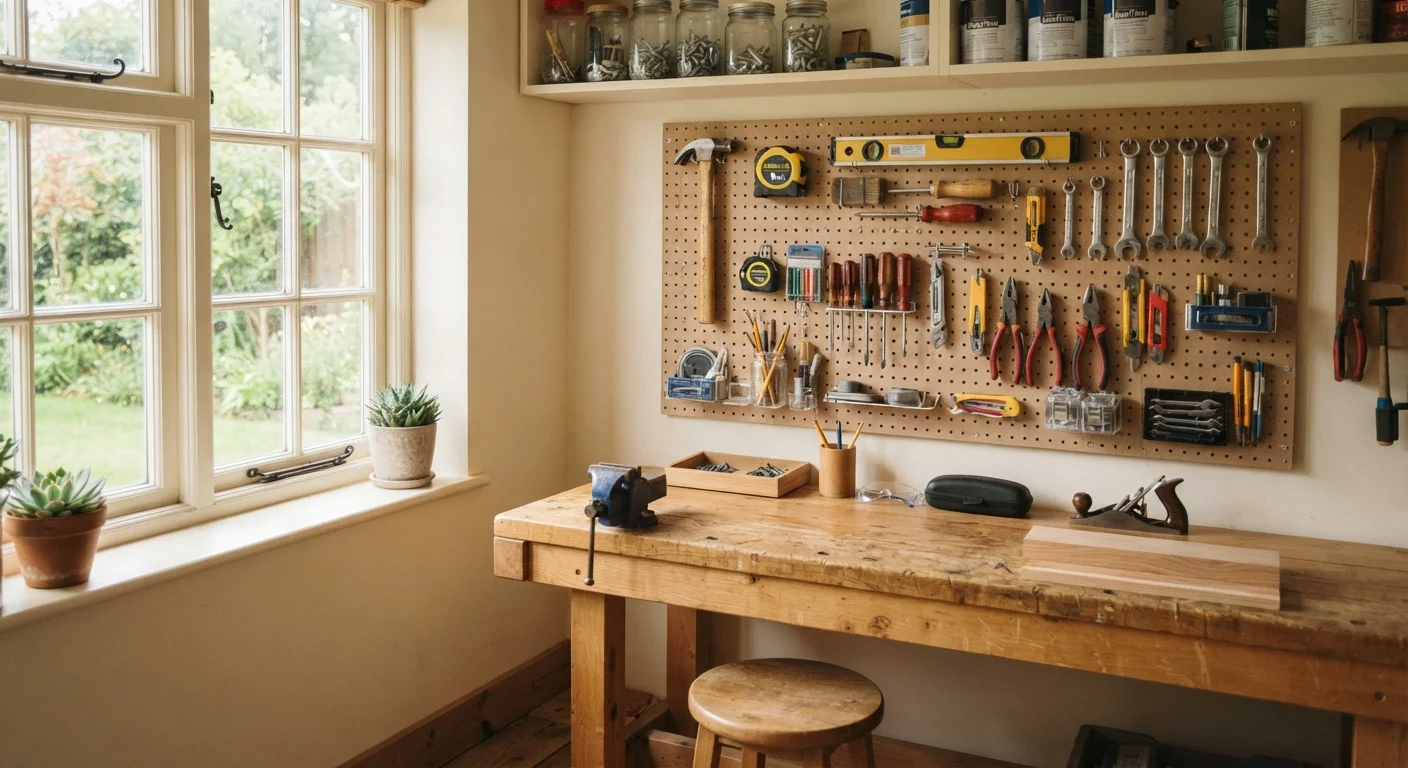
One of the most common beginner mistakes is buying too many tools at once. You don't need a fully stocked workshop to get started. The following core items cover the overwhelming majority of beginner projects:
- Claw hammer — driving and pulling nails
- Flathead and Phillips screwdrivers (or a multi-bit driver) — tightening and removing screws
- Tape measure — accurate measuring before cutting or purchasing
- Torpedo level — checking that shelves, frames, and fixtures are straight
- Utility knife — scoring drywall, cutting caulk, trimming materials
- Putty knife — applying and smoothing filler compounds
- Adjustable wrench — basic plumbing fixes like tightening supply lines
For a deeper look at what beginners consistently get wrong when assembling a toolkit, see what DIY beginners get wrong about tools.
Build Your Kit One Project at a Time
Rather than buying a full toolkit upfront, let your projects guide your purchases. When a specific repair comes up, identify exactly what tools it needs and add only those. This approach keeps costs low and ensures every tool you own gets real use.
Safe First Projects to Build Your Confidence
Choosing the right first project matters. You want something with low risk, visible results, and real utility. Here are four excellent starting points:
1. Patching Small Drywall Holes
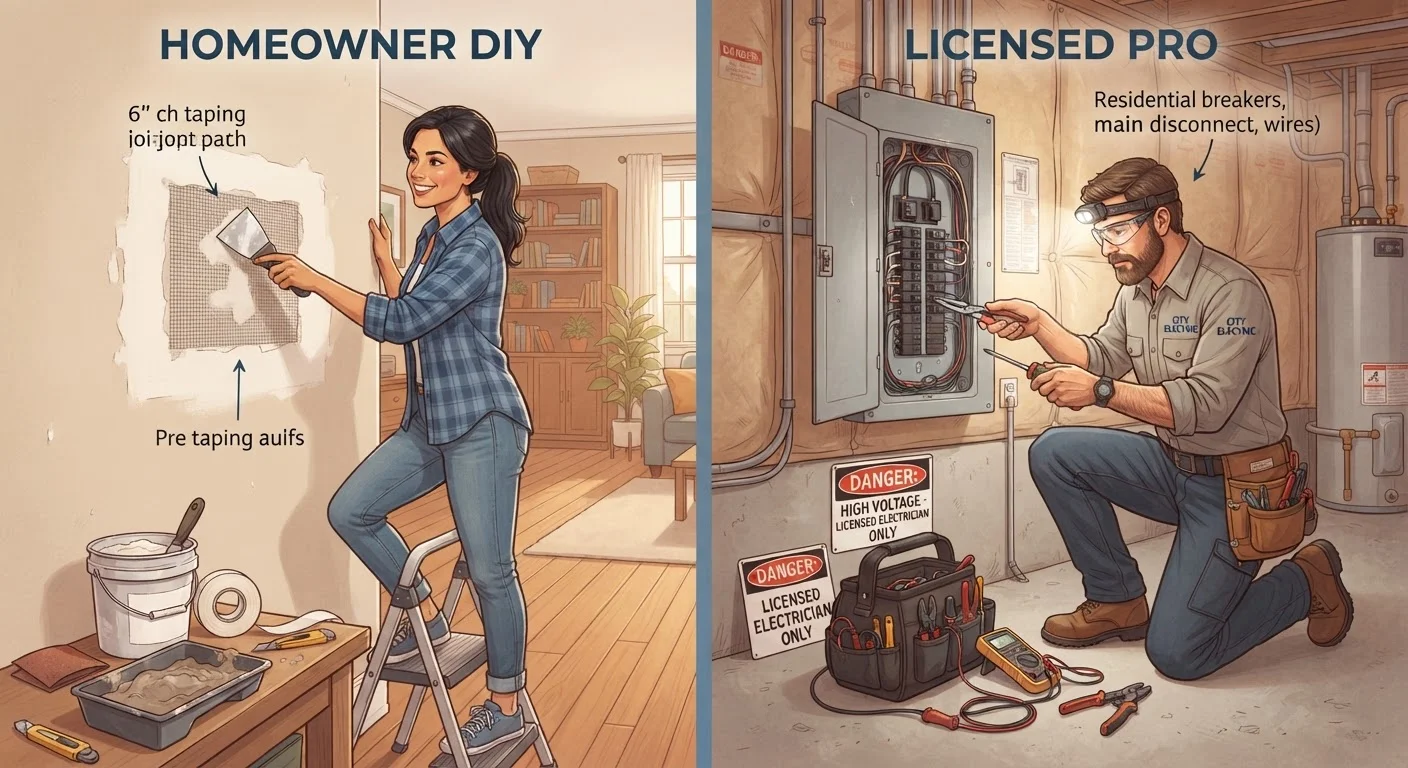
Nail holes and small dings are fixed with spackling compound, a putty knife, light sanding, and touch-up paint. The process is forgiving — if the patch looks rough when dry, sand it down and reapply.
2. Caulking Gaps Around Windows and Doors
Old or cracked caulk lets in drafts and moisture. Removing old caulk with a utility knife, cleaning the gap, and applying a fresh bead of paintable caulk is a genuine energy-efficiency upgrade achievable in an afternoon.
3. Replacing a Faucet Aerator
Aerators — the small mesh screen at the tip of a faucet — collect mineral deposits over time and reduce water flow. Unscrewing and replacing one takes minutes and requires only an adjustable wrench (or even just your hand).
4. Hanging Shelves
Using a stud finder to locate wall studs, a level to keep things straight, and the right screws for your wall type, hanging a shelf teaches measurement, drilling, and anchoring in one project.
Before diving in, use the room-by-room readiness checklist to make sure your space and tools are ready.
When to Stop and Call a Professional
Knowing what not to attempt yourself is just as important as knowing what you can handle. Certain types of work carry serious safety, legal, and financial consequences when done incorrectly by an unlicensed person.
Always hire a licensed professional for:
- Any work on your electrical panel, circuit breakers, or wiring runs
- Gas line installation, repair, or appliance connection
- Load-bearing wall removal or structural modifications
- Roof repairs involving flashing, shingles, or decking
- Plumbing that connects to or alters main supply or drain lines
Unpermitted Work Can Create Serious Problems
Work done without required permits may need to be torn out and redone if discovered during a home sale or inspection. In some cases it can also affect your homeowner's insurance coverage. When in doubt, check with your local building department — it's a free call that can save you significant trouble.
These categories often require permits and inspections under local building codes. Unpermitted work can create problems when you sell your home and may void your homeowner's insurance in the event of a related claim. Always verify local requirements with your municipal building department before starting anything that might need approval.
For a balanced look at which repairs genuinely pay off DIY-style and which ones carry hidden costs, see DIY repairs that save money — and ones that can cost more if done wrong.
Planning and Budgeting Your Projects
Even simple DIY projects benefit from a quick planning pass before you buy materials or pick up a tool. Read the entire project process first — surprises mid-way through are the leading cause of beginner frustration and wasted materials.
For each project, write down:
- What the project involves, step by step
- Every material and tool you'll need
- An honest estimate of time required (beginners often need double what instructions suggest)
- A realistic materials budget with a small buffer for mistakes
If home improvement spending is something you're tracking as part of a broader financial plan, a solid budgeting foundation helps. The beginner's guide to building your first budget is a clear starting point for anyone managing household costs for the first time.
Starting small, finishing completely, and building on each success is the reliable path from first-timer to capable home improver. Every project you complete teaches you something the next one will benefit from.