
Why Home Maintenance Myths Are So Costly
Most home maintenance myths feel entirely reasonable on the surface. They're the kind of advice passed down from neighbours or half-remembered from a rental years ago. The problem is that acting on them tends to treat the symptom while leaving the underlying problem intact — or worse, making it harder to fix later.
The financial impact is real. Deferred or misdirected maintenance is one of the leading drivers of large, unexpected home repair bills. Understanding what actually works — and why common shortcuts fall short — is the most practical form of home protection available to any homeowner. The myth-and-fact pairs below cover the misconceptions that come up most often, starting with one of the most persistent.
Myth
Bleach is all you need to get rid of mould for good.
Fact
Bleach kills surface mould on non-porous materials but cannot penetrate porous surfaces like drywall or grout to reach the root structure.
When you wipe a mouldy wall with diluted bleach, the discolouration disappears — which feels like a win. But mould growth is driven by moisture and often spreads beneath the surface of porous materials. Bleach's active ingredient, sodium hypochlorite, does not soak deeply enough into drywall, wood, or caulk to destroy the mould's hyphae. Within weeks, the mould returns — sometimes worse. The correct approach is to identify and fix the moisture source first, then remove affected porous material entirely if the growth is significant. For persistent mould problems, improving home ventilation is often the most effective long-term fix.
Myth
Older homes are already sealed up tight, so re-sealing isn't necessary.
Fact
Sealants, caulk, and weatherstripping degrade over time; older homes typically need more attention to sealing, not less.
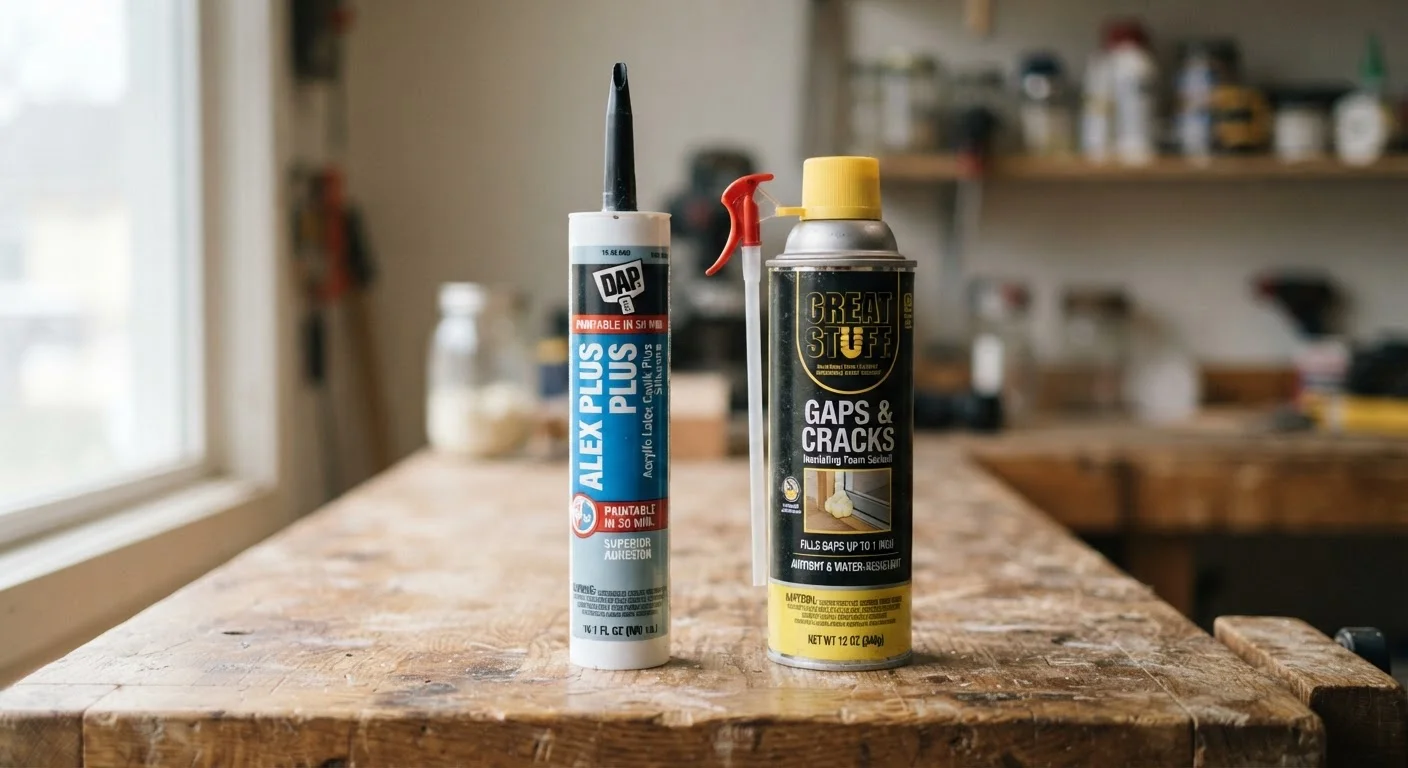
A common assumption is that an older home has been sealed so many times over the years that gaps aren't a concern. In reality, caulk around windows, doors, and fixtures has a lifespan of roughly five to ten years. As it ages, it shrinks, cracks, and pulls away from surfaces — creating gaps that let in drafts, moisture, and pests. For homes built before modern insulation standards, the gaps can be significant. Checking and renewing weatherstripping annually is a low-cost task that prevents heat loss and water intrusion. See our guide to weatherstripping doors and windows for a practical starting point.
Myth
A small leak will dry out on its own if you leave it alone.
Fact
Water finds the path of least resistance and continues damaging structure, insulation, and finishes long after the original drip stops being visible.
It's tempting to wait and see if a damp patch disappears. Sometimes surface condensation does evaporate — but an actual leak from a pipe, roof, or window rarely resolves without intervention. Water travels along joists and behind walls, soaking insulation and encouraging mould growth in cavities you can't see. By the time visible damage returns, the underlying problem has typically grown considerably. Small leaks become big problems faster than most homeowners expect — early investigation is almost always the cheaper option.
Myth
You only need to change HVAC filters when the system starts running poorly.
Fact
HVAC filters should be checked monthly and replaced every one to three months depending on the filter type and household conditions.
A clogged filter forces the HVAC system to work harder to pull air through, increasing energy consumption and accelerating wear on the motor and fan components. By the time performance degrades noticeably, significant strain has already accumulated. Homes with pets, high dust levels, or allergy sufferers need more frequent changes. Neglecting this single task is one of the leading causes of premature HVAC failure — a repair bill that can run into thousands of dollars. Checking filters is one of the tasks homeowners most commonly forget until something goes wrong.
Myth
Re-grouting is a permanent fix for cracked or crumbling grout.
Fact
If the underlying cause — movement, moisture, or substrate failure — isn't resolved, new grout will crack in the same spots within months.
Many homeowners scrape out old grout and apply new material, only to find cracks reappearing along the same lines within a season or two. Grout is a rigid material; it can't flex with natural tile movement caused by thermal expansion or slight structural settling. If the tile substrate (the surface beneath the tiles) is not properly supported, or if a joint that should be flexible has been packed with rigid grout, the crack will return. Understanding why grout cracks keep coming back is the key to choosing a fix that actually lasts.
Myth
Painting over a damp wall seals in the moisture and solves the problem.
Fact
Paint is not a moisture barrier; applying it over damp surfaces traps moisture, causes paint failure, and can accelerate structural damage.
It might seem logical that a fresh coat of paint would lock out dampness, but paint applied to a damp surface will bubble, peel, and flake within weeks. More importantly, trapping moisture against a wall encourages mould growth behind the paint film and can accelerate deterioration of plaster, timber framing, and insulation. The wall must be fully dry — and the moisture source properly addressed — before any decorating takes place. This is a particularly common mistake covered in our piece on rushed repairs that create bigger headaches later.
Putting Accurate Maintenance Into Practice
Correcting these myths isn't about adding more tasks to an already long list — it's about redirecting effort so that the work you do actually solves problems rather than postponing them.
35%
of home repair costs are linked to deferred maintenance
According to the National Association of Home Builders, routine preventive maintenance typically costs far less than the repairs that result from neglect.
5–10 years
typical lifespan of exterior caulk and sealants
Building material manufacturers generally rate standard silicone and acrylic caulk products at five to ten years before reapplication is needed.
15%
energy efficiency loss from a clogged HVAC filter
The U.S. Department of Energy notes that a dirty or blocked filter can reduce HVAC system efficiency by up to 15 percent.
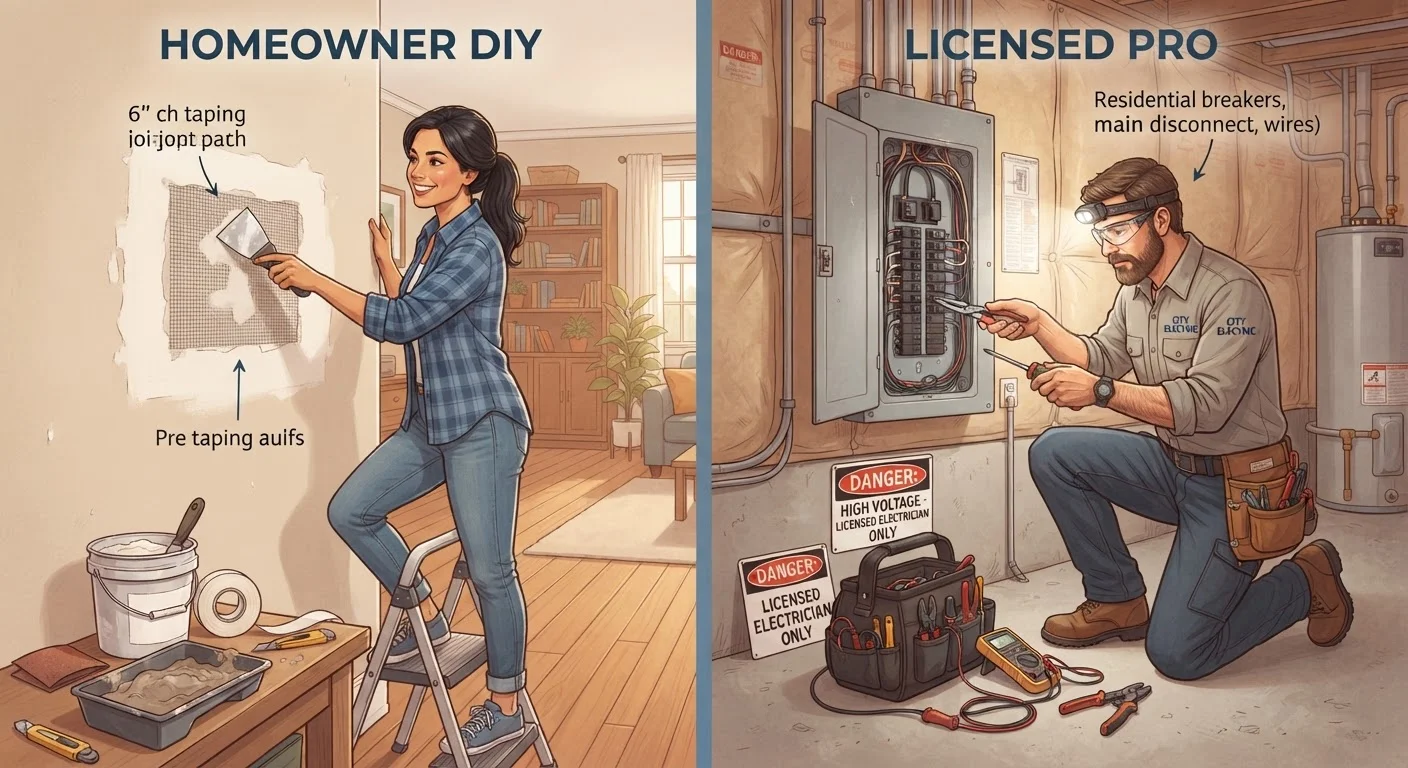
A few principles apply across almost every scenario covered above. First, always identify the source of a problem before treating the symptom. Mould, damp patches, and cracked finishes are signals, not the problem itself. Second, routine checks on components with a defined lifespan — filters, caulk, weatherstripping — prevent the compounding damage that turns a $20 fix into a $2,000 repair call. For a broader look at what routine upkeep actually involves, our beginner's guide to home maintenance is a solid place to start. And if you're wondering which fixes are genuinely within beginner DIY reach, this balanced look at DIY repairs can help you decide when to call in a professional.
Don't Diagnose Damp Without Investigating the Source
Damp patches and condensation look similar but have different causes and very different remedies. Treating condensation as a structural leak — or vice versa — wastes time and money. Understanding the difference between damp and condensation before taking action will save you from fixing the wrong problem.