What Is Grout and Where Does It Belong?
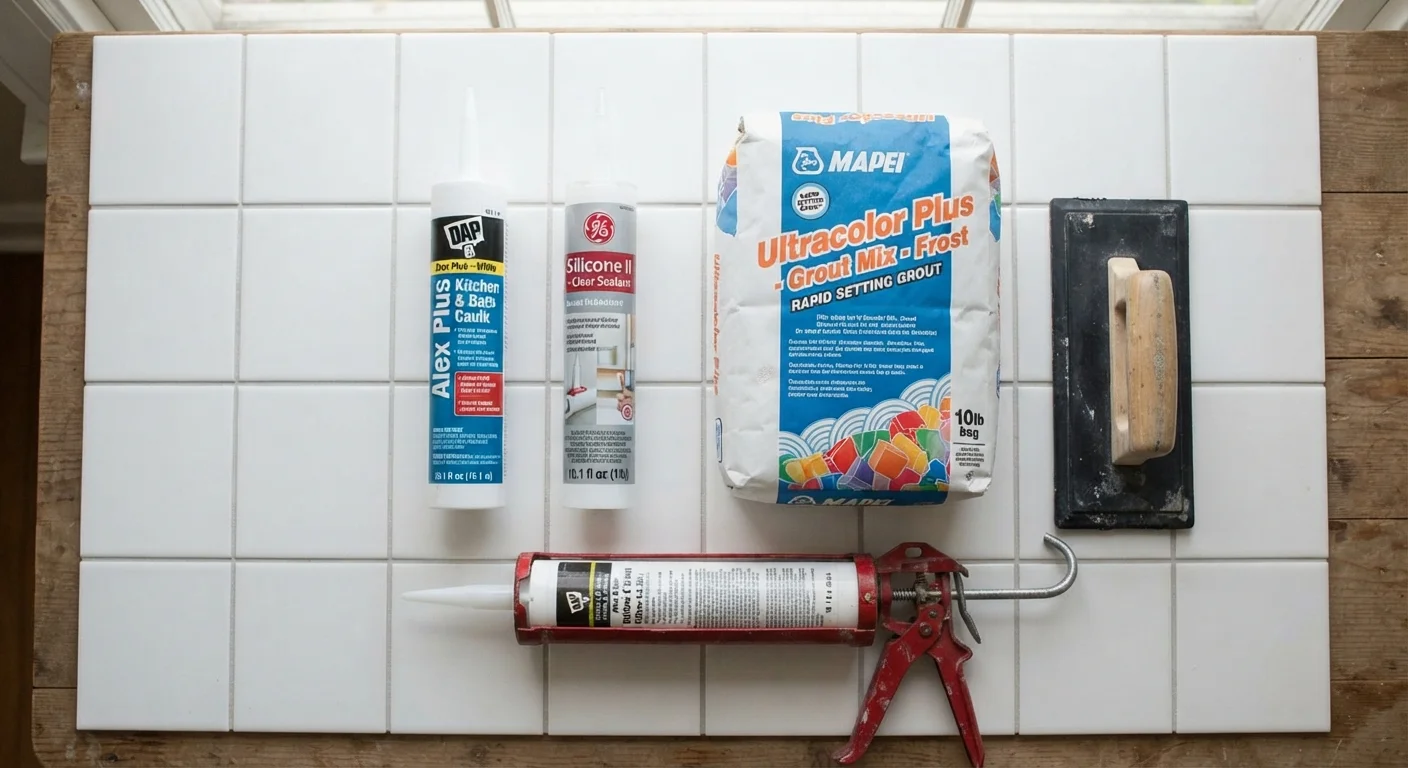
Grout is a dense, cement-based (or epoxy-based) filler that locks tiles in place and fills the uniform gaps — called grout joints — between them. Once it cures, grout is rigid and hard, which is exactly what you want in the tile field: a stable, load-bearing fill that keeps tiles from shifting and prevents debris from collecting in the gaps.
There are two main categories:
- Cement-based grout — the most common type for DIYers. It comes as a powder you mix with water, or pre-mixed. It is porous and will absorb moisture and stains unless sealed.
- Epoxy grout — harder, nearly non-porous, and highly stain-resistant. It is more difficult to work with but ideal for high-traffic or commercial areas.
Grout is the right choice any time you need to fill the repeating joints between tiles on a floor, wall, or countertop. It is not appropriate for corners, edges, or any joint where two different surfaces meet at an angle — those spots need caulk. If you notice grout cracking in the same spot repeatedly, there may be an underlying structural cause. See why grout cracks keep coming back for a deeper look at recurring failures.
What Is Caulk and When Should You Use It?
Caulk is a flexible, waterproof compound that fills and seals joints where two surfaces meet — especially where slight movement, expansion, or contraction is expected. Unlike grout, caulk stays somewhat pliable after it cures, which allows it to absorb the minor shifts that happen when a building settles or when temperature and humidity change seasonally.
The most important rule in tiling: wherever grout meets a change of plane, use caulk instead. That means:
- The corner where a shower wall meets the shower floor
- Where a tub deck meets the tiled wall above it
- Around the perimeter of a tile countertop where it meets the backsplash
- Along the base of a toilet or around a sink rim
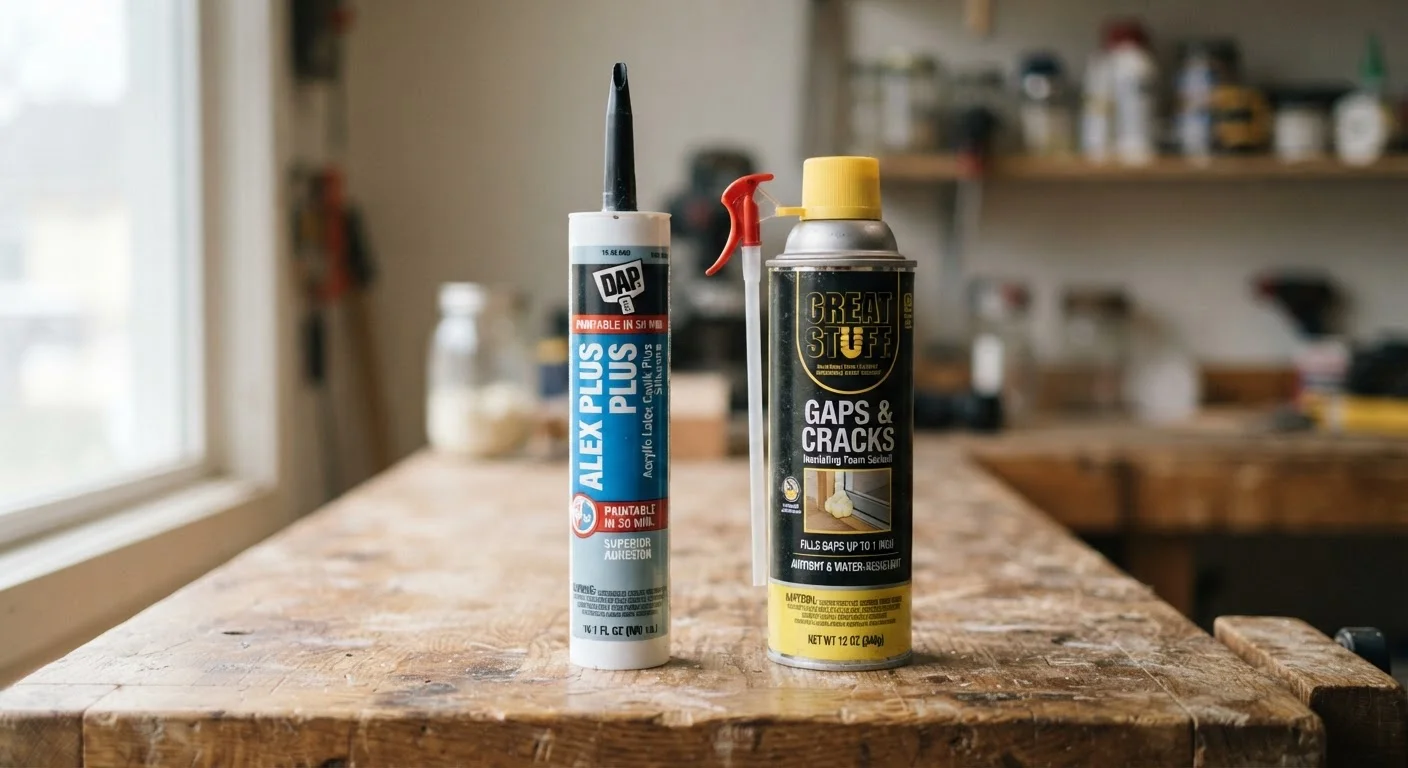
Putting rigid grout in these spots is one of the most common beginner mistakes. The joint will almost certainly crack within months because the building materials on each side expand and contract at different rates. For a detailed comparison of when caulk is the better call — and when another gap-filling product might work better — see our guide on caulk vs. expanding foam.
There are also different types of caulk — silicone and acrylic being the most common. Our article on silicone vs. acrylic caulk breaks down which formula suits each situation.
Match Your Caulk Color to Your Grout
When caulking corners in a tiled area, try to find a caulk color that closely matches your grout. Many grout manufacturers sell a matching caulk in the same color family. This creates a cleaner, more professional look and makes it harder to spot the transition between the two materials.
What Is Sealant and Why Does It Matter?
In the home tiling context, sealant — sometimes called tile sealer or grout sealer — is a liquid protective coating applied over a finished surface after installation. It does not fill gaps or joints. Instead, it penetrates porous surfaces like cement grout or natural stone tile and creates a barrier that repels water and staining agents.
Think of sealant the way you think of a waterproof finish on wood: it doesn't change the shape of the surface, it just makes the surface more resistant to damage.
70%
Of shower leaks linked to failed grout or caulk joints
Industry estimates from tile installation professionals suggest the majority of shower water damage originates at unsealed or improperly sealed joints rather than from tile failure itself.
48–72 hrs
Minimum grout cure time before sealing
Most cement-based grout manufacturers recommend waiting at least 48 to 72 hours after grouting before applying a penetrating sealant, to allow full moisture release.
When to apply sealant:
- After new cement-based grout has fully cured (typically 48–72 hours, though check the product instructions)
- On natural stone tiles such as slate, travertine, or marble, which are porous and stain easily
- Annually in high-moisture areas like showers as part of routine maintenance
Sealant should only go onto clean, sound surfaces. If your grout is cracked or soft, fix it first. Sealing over damaged grout only traps moisture inside.
Sealant Needs to Be Reapplied Periodically
Grout sealant is not a permanent fix. In a frequently used shower, sealant may wear down within a year or two. A simple test: sprinkle a few drops of water on the grout. If the water beads up, the sealant is still working. If it soaks in quickly, it's time to reapply.
Putting It All Together: A Simple Decision Guide
When you're standing in front of a tile project, asking one question helps clarify which product you need: Is this gap between two tiles in the same plane, a joint between two different surfaces, or an existing finished surface that needs protection?
| Situation | Use This |
|---|---|
| Gaps between tiles on a wall or floor | Grout |
| Corner where shower wall meets floor | Caulk |
| Around tub, sink, or toilet base | Caulk |
| Protecting finished grout or stone tile | Sealant |
| Exterior gap between siding and window trim | Caulk |
Most tiled installations need all three products. You grout the tile field, caulk the corners and transitions, and then seal the cured grout. Skipping any of these steps is a common cause of water infiltration and early tile failure. For a head-to-head comparison of the two materials most often confused, see caulk vs. grout.