Choosing the Right Spot
Before buying a single seed, walk your outdoor space and observe where sunlight falls throughout the day. Vegetables are heavy light users — most need a minimum of six full hours of direct sun daily. Spots that seem bright can still fall short if they're shaded by a fence, tree, or the house itself during key midday hours.
Beyond light, consider proximity to water. Hauling a heavy watering can across a large yard becomes a chore fast. Situating your garden close to an outdoor spigot or hose connection makes consistent watering far more likely. Also check that the area drains well after rain — standing water around plant roots invites disease.
Observe before you dig
Spend a few days watching how sunlight moves across your yard at different times — morning, midday, and late afternoon. A simple hand-drawn sketch noting sunny and shaded zones takes less than five minutes and can save you from placing your bed in the wrong spot. Apps that simulate sun path for your address can also help on overcast days.
For a thorough foundation of how light, water, and soil work together, see our complete introduction to how gardening works.
Planning Your Garden Size and Layout
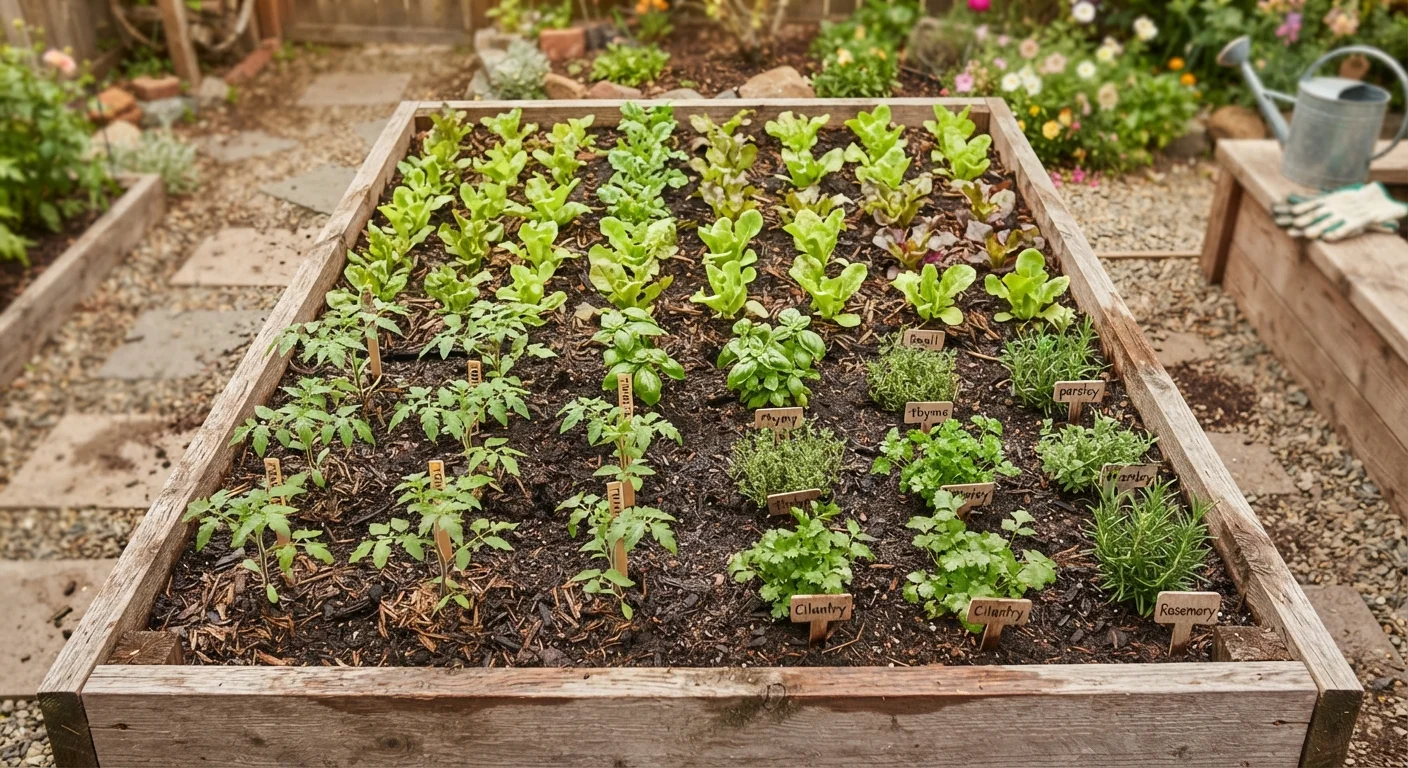
The most common beginner mistake is planting too much, too soon. A single 4×4-foot raised bed or a 4×8-foot in-ground plot is genuinely enough for a first season. Smaller spaces are easier to maintain, quicker to weed, and less discouraging when things don't go perfectly.
Raised beds — bottomless frames filled with quality growing mix, set on top of existing ground — offer several advantages for beginners: they warm up faster in spring, drain reliably, and are easier to control than native soil. A raised bed also creates a clear visual boundary that helps you stay organized.
When planning layout, place taller crops like tomatoes or trellised beans on the north side of the bed so they don't shade shorter plants. Leave enough space between plants as shown on the seed packet or plant tag — crowding is a frequent cause of poor airflow and disease. See our seasonal garden prep checklist for a practical step-by-step layout guide before your first seed goes in.
Understanding Soil: Your Garden's Foundation
Soil quality determines more about your harvest than almost any other factor. Healthy vegetable garden soil is dark in color, crumbles loosely in your hand, smells earthy, and drains well while retaining enough moisture to stay damp between waterings. Native ground soil — particularly in new construction areas — is often compacted, nutrient-poor, or heavy with clay, and needs improvement before planting.
The most effective and affordable amendment for almost any soil type is compost — decomposed organic matter that adds nutrients, improves drainage in clay soils, and helps sandy soils retain moisture. Work two to four inches of compost into the top eight to twelve inches of soil before planting. You can purchase bagged compost or eventually make your own. Our guide to home composting without the mess explains the process in accessible detail.
Compost
Decomposed organic material — food scraps, leaves, plant matter — that is mixed into soil to add nutrients and improve its texture.
Raised bed
A bottomless frame or box filled with growing mix and placed on top of existing ground, used to create a defined, controllable planting area.
Mulch
A layer of material — straw, wood chips, or shredded leaves — spread over bare soil to hold in moisture, reduce weeds, and moderate soil temperature.
Amending soil
The process of mixing materials like compost or sand into existing soil to improve its structure, drainage, or nutrient content before planting.
Cool-season crops
Vegetables like lettuce, peas, and spinach that grow best in cooler spring and fall temperatures and can tolerate light frost.
Frost date
The average calendar date when temperatures in your area are expected to drop to 32°F — a key reference point for knowing when it's safe to plant warm-season crops outdoors.
Choosing What to Grow First
Pick crops that are forgiving, fast-maturing, and genuinely useful in your kitchen. Radishes are ready in as little as three weeks. Lettuce and other salad greens can be harvested leaf by leaf over many weeks. Green beans, zucchini, and cherry tomatoes are reliable producers that handle minor beginner mistakes without failing outright.
Avoid starting with crops that have long growing seasons, specific pruning requirements, or sensitivity to pests — save melons, artichokes, and cauliflower for year two. Our article on easy crops for first-time growers goes deeper on which plants pair best with a beginner's schedule and skill level.
Once you've chosen your crops, you'll face one more early decision: starting from seed or buying young plants from a nursery. Both approaches have real trade-offs. Our seeds vs. seedlings guide walks you through which suits your situation.
Watering, Weeding, and Basic Ongoing Care
Most vegetable gardens need about one inch of water per week, combining rainfall and any supplemental irrigation. Water deeply and infrequently rather than lightly every day — this trains roots to grow deeper, making plants more resilient during dry spells. The best time to water is morning, so foliage dries before nightfall and is less susceptible to fungal problems.
Weeds compete directly with your vegetables for water, nutrients, and light. Pull them when they're small and before they set seed — a few minutes of weeding every few days is far easier than a large session every few weeks. Laying a thin layer of mulch (a protective covering of wood chips, straw, or shredded leaves placed on top of the soil) around your plants suppresses weeds, retains moisture, and regulates soil temperature.
Overwatering is a common beginner mistake
More vegetable seedlings are lost to overwatering than to drought. Before watering, press a finger one inch into the soil — if it still feels moist, wait another day. Soggy soil deprives roots of oxygen and creates conditions where root rot and fungal disease thrive.
With these fundamentals in place, your first vegetable garden has every chance of succeeding. The season will teach you more than any guide can — what works in your specific soil, microclimate, and schedule is knowledge you'll only gain by growing.