Why Seed Packets Are Worth a Careful Read
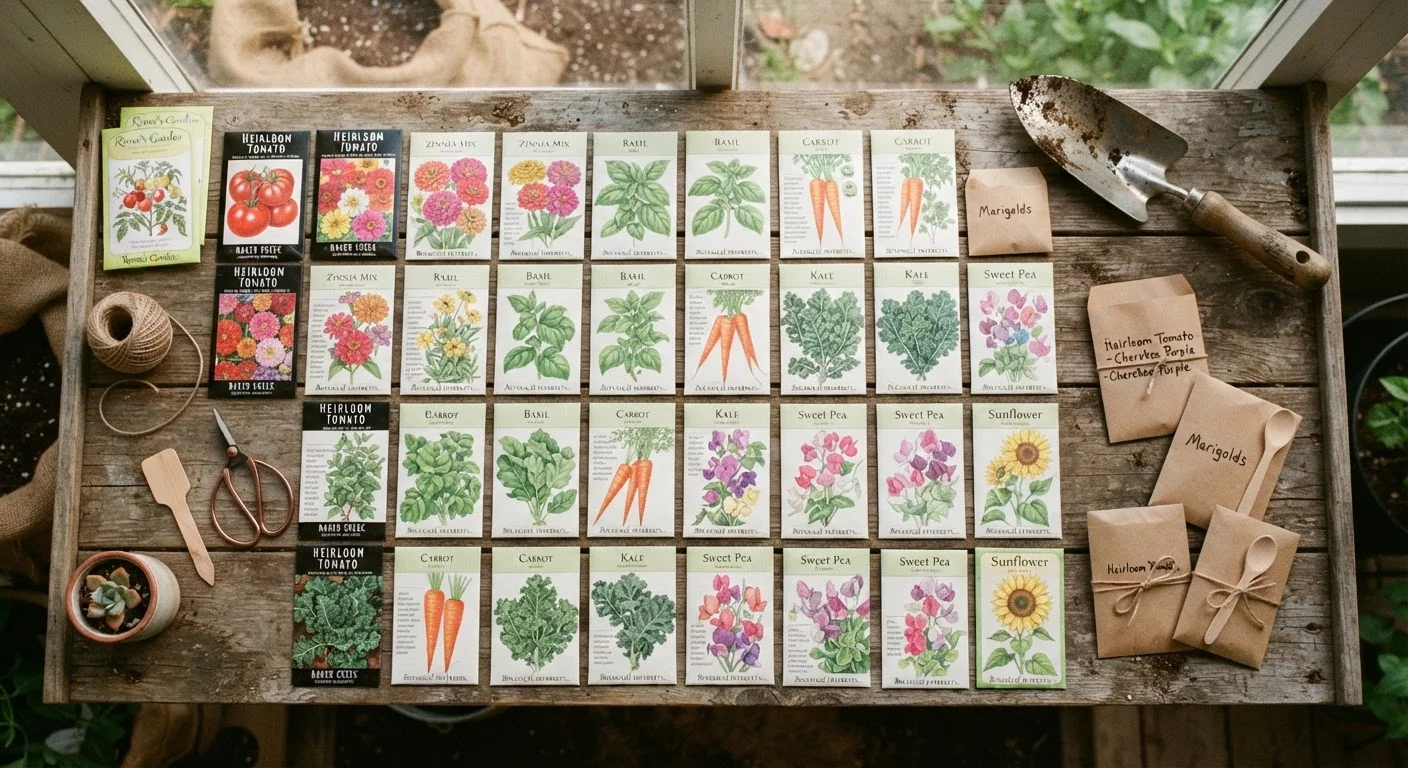
Most first-time gardeners glance at the front of a seed packet for the picture, tear it open, and start planting. That habit skips past a surprisingly dense set of instructions printed right on the back — instructions that directly affect whether those seeds actually grow.
A seed packet is essentially a condensed field guide for that one plant. It tells you when to sow, how deep to bury each seed, how far apart to space them, how long to wait before anything sprouts, and whether your climate is even suited for that variety. Learning to decode that information is one of the highest-return skills a new gardener can pick up.
This reference guide walks through every major label element in plain language. Keep a packet handy as you read — the terms will click into place quickly. For a broader foundation, see the complete introduction to gardening.
| Days to Germination (typical vegetable range) | 5–21 days (Varies by species and soil temperature) |
| Seed viability — most vegetables | 2–4 years (When stored cool and dry) |
| Full sun definition | 6+ hours of direct sun per day (Standard horticultural definition) |
| USDA Hardiness Zones in the contiguous US | Zones 3–11 (USDA Plant Hardiness Zone Map) |
| Common seed sowing depth rule of thumb | 2–3× the seed's width (General extension-service guidance) |
The Key Terms, Decoded
Here is what each label element means and why it matters for your garden.
Days to Germination
This is how many days it typically takes for a seed to sprout a visible shoot after it has been planted in appropriate conditions. It is a range, not a guarantee — temperature, moisture, and seed freshness all shift the outcome. If nothing appears after the upper end of that range, the seed may have been planted too deep, in soil that is too cold, or may simply be old.
Days to Maturity
Counted from transplant date (for crops started indoors) or from direct sowing, this figure tells you when the plant will be ready to harvest or bloom. Matching this number against your local frost dates helps you decide whether a variety will actually have time to finish in your climate before cold weather arrives.
Sowing Depth
Seeds need darkness and moisture to germinate, but planting too deep smothers them. The depth printed on the label — often expressed as a fraction of an inch — is the tested optimum for that species. A common rule of thumb is to plant seeds two to three times as deep as they are wide, and most packets already calculate this for you.
Spacing
Two numbers usually appear here: the distance to leave between individual plants (in-row spacing) and the distance between rows. Crowded plants compete for light, water, and nutrients, leading to smaller yields and more disease. This number also matters when planning a container garden — see how spacing rules translate to pots in our guide to container vs. in-ground gardening.
Direct Sow vs. Start Indoors
Direct sow means the seed goes straight into outdoor soil. Start indoors means beginning in trays or small pots under shelter, typically weeks before the last frost, then transplanting outdoors once conditions are safe. Some crops — carrots and beets, for example — dislike transplanting and must be direct-sown. The packet will specify which approach suits that plant. If you are weighing these approaches more broadly, the article on seeds vs. seedlings covers the full trade-offs.
Hardiness Zone
The USDA Plant Hardiness Zone Map divides North America into numbered zones based on average annual minimum winter temperatures. A seed packet listing zones 5–8, for example, indicates the plant is well-suited to climates where winter lows fall within those ranges. Knowing your zone — easily looked up by ZIP code on the USDA website — helps you avoid buying seeds for plants your winters will kill.
Full Sun / Part Shade / Full Shade
Full sun means at least six hours of direct sunlight per day. Part shade typically means three to six hours. Full shade means fewer than three hours. Choosing a sun-loving variety for a shady bed almost always ends in disappointment, so this line is worth checking before you buy.
Life Cycle: Annual, Perennial, or Biennial
This tells you how many growing seasons the plant naturally lives through. Annuals complete their life in one season; perennials return year after year; biennials take two years to flower and set seed. The plain-English breakdown of plant life cycles explains how this choice shapes your planting calendar.
Germination
The process by which a seed sprouts and begins to grow into a seedling. It requires adequate moisture, oxygen, and warmth — conditions that vary by species.
Days to Maturity
The expected number of days from planting (or transplanting) until the plant is ready to harvest or bloom. Used to gauge whether a variety will finish before frost arrives.
Hardiness Zone
A USDA-defined geographic area based on average annual minimum winter temperatures. Matching a plant's listed zones to your local zone helps predict cold-weather survival.
Direct Sow
Planting seeds directly into outdoor soil where they will grow, rather than starting them in indoor trays first. Some crops perform better this way and dislike being transplanted.
Thinning
Removing extra seedlings after germination so that remaining plants have the spacing the packet specifies. It feels wasteful at first but is essential for healthy growth.
Seed Lot Date
The year a seed packet was filled and sealed, often printed as 'packed for [year].' It gives a reference point for estimating how fresh — and viable — the seeds still are.
Putting It All Together Before You Plant
Before sowing anything, take two minutes to read the entire packet back-to-back. Cross-check the days-to-maturity against your expected last and first frost dates. Confirm your yard gets the right amount of sun. Note the sowing depth and spacing so you can prepare your bed or container accordingly.
Also check the seed lot date or packed for year printed on many packets. Seeds lose viability over time — most vegetable seeds remain usable for two to four years when stored cool and dry, but germination rates drop noticeably beyond that window. If a packet is several years old, consider doing a simple germination test (place ten seeds between damp paper towels for the listed germination period and count how many sprout) before committing to an entire bed.
Once you have interpreted the packet and feel ready to prepare your space, the seasonal garden prep checklist is a practical next step to get soil, tools, and timing aligned.
Seed Storage Affects Germination Rates
Heat and humidity are the two biggest enemies of stored seeds. Keep unused seeds in a cool, dry location — a sealed jar in a dark cabinet works well. Avoid storing them in a garage or shed where temperatures swing widely. Proper storage can meaningfully extend usable seed life beyond the average window.