What Is a Raised Bed, Exactly?
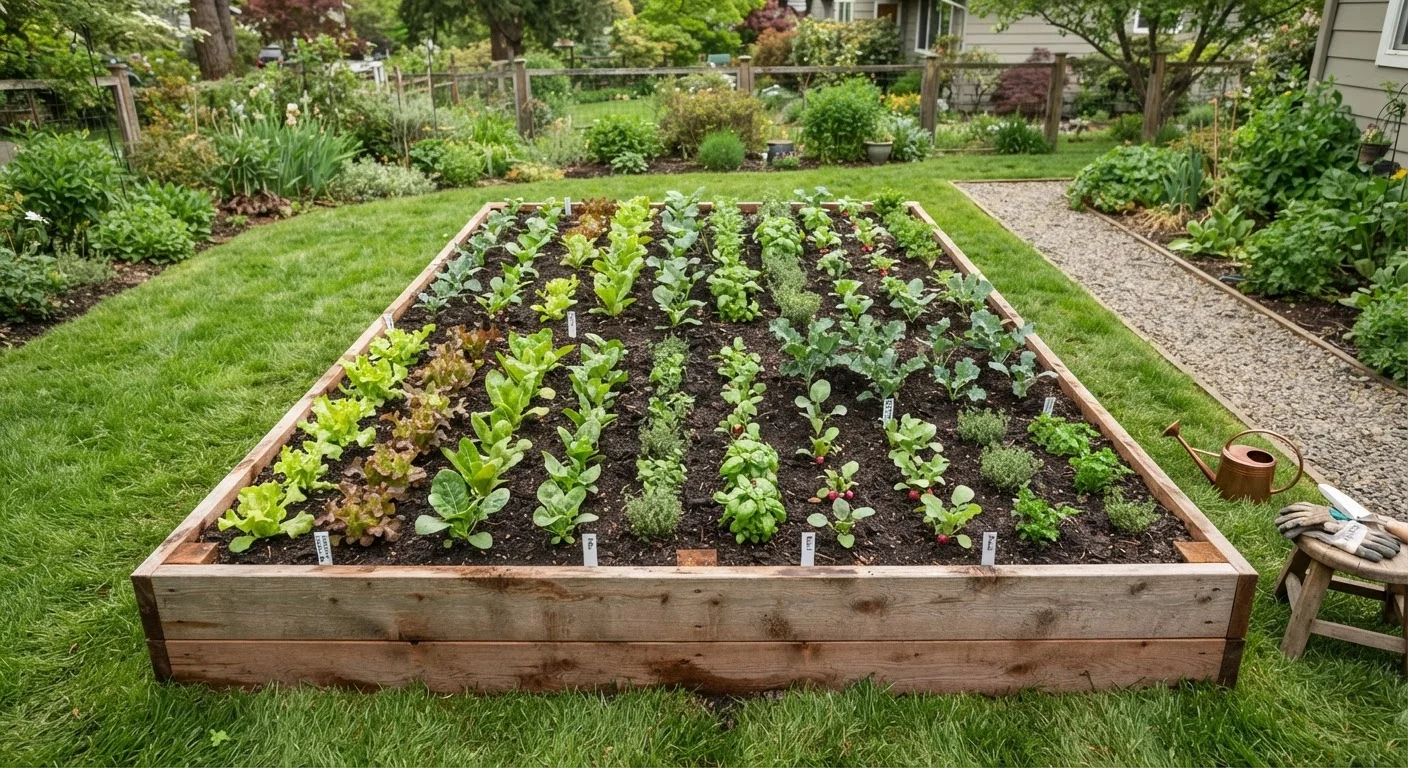
A raised bed is simply a contained growing area where the soil sits above the surrounding ground level. It's typically framed by wood, metal, or composite boards and filled with a soil mix you choose yourself. Heights range from about 6 inches to 2 feet or more.
Unlike container gardening — where plants grow in pots with no connection to the ground — raised beds are open at the bottom, allowing roots to extend downward if needed. For a broader comparison of your options, see our guide on container gardening vs. in-ground beds.
Raised beds are popular with beginners because they create a defined, manageable space — but understanding both their strengths and limitations will help you decide whether they're the right starting point for your garden.
The Advantages of Raised Bed Gardening
Raised beds offer some concrete benefits that make them especially appealing to new growers.
Full control over soil quality from day one
You fill the bed with a mix suited to what you're growing, bypassing whatever compacted, sandy, or clay-heavy soil you may have underfoot. This is especially valuable in urban or suburban settings where native soil has often been disturbed.
Excellent drainage reduces root rot risk
Elevated soil drains freely, which prevents the waterlogging that kills many beginner gardens. Plants like tomatoes, herbs, and root vegetables particularly benefit from these conditions.
Far fewer weeds to pull
Because you're filling with purchased or prepared soil rather than digging up existing ground, you import far fewer weed seeds. Persistent perennial weeds from the native soil are also largely blocked by the bed's depth.
Easier on your back and knees
A taller bed — 18 inches or more — significantly reduces the need to kneel or crouch, making gardening more accessible for people with limited mobility or joint pain.
Soil warms up faster in spring
Raised soil is exposed to more air circulation and sunlight than ground-level beds, helping it warm earlier in the season. This can extend your growing window by a week or two in cooler climates.
Defined growing area simplifies planning
A clearly bounded bed makes it straightforward to plan spacing, rotate crops, and track what you've planted where — a real advantage when you're learning.
6–8 in.
Minimum recommended bed depth for most vegetables
Most cooperative extension services suggest at least 6 to 8 inches of soil depth for shallow-rooted crops; root vegetables like carrots need 12 inches or more.
4 ft.
Ideal maximum bed width for easy reach
A width of 4 feet allows most adults to reach the center from either side without stepping into the bed, which keeps soil from compacting underfoot.
One often-overlooked advantage is full control over your growing medium. Because you fill the bed yourself, you're not fighting compacted clay, sandy soil, or contaminated ground. Our article on what soil your garden actually needs explains how much soil composition affects plant success — and a raised bed lets you start with the ideal mix rather than trying to fix what's already there.
The Disadvantages Worth Knowing Before You Build
Raised beds are not without genuine drawbacks. Going in with clear expectations saves frustration and money.
Higher upfront cost than in-ground planting
You need to purchase framing materials and enough quality soil to fill the bed — costs that don't apply when you simply dig and amend existing ground. A single 4-by-8-foot bed can cost anywhere from a modest amount to several hundred dollars depending on material choices.
Dries out faster, requiring more frequent watering
The excellent drainage that prevents root rot also means beds lose moisture quickly. In warm or dry climates, this can mean watering every day during summer, which demands time and increases water use.
Frame materials deteriorate over time
Untreated wood — the most common frame material — can rot within five to eight years depending on climate and wood species. Metal beds resist rot but can heat up significantly in full sun, stressing plant roots.
Not ideal for large or spreading plants
Vining crops like pumpkins or sprawling varieties of squash can quickly overwhelm a standard bed and spill into surrounding areas, making them less practical for raised-bed growing without significant vertical support.
Soil quality degrades and needs replenishing
Each growing season strips nutrients and compacts the soil over time. Annual topping up with compost or fresh soil mix is necessary to maintain productivity, which is an ongoing cost many beginners don't anticipate.
Watch Out for Pressure-Treated Lumber
Older pressure-treated wood used chromated copper arsenate (CCA), which can leach arsenic into soil over time. Modern pressure-treated lumber uses different preservatives generally considered safer, but if you're growing edibles, many gardeners prefer naturally rot-resistant woods like cedar or redwood, or powder-coated metal frames. Always check the treatment type before purchasing lumber for food gardens.
Watering is the day-to-day challenge most beginners underestimate. Because raised beds are elevated and well-drained, they shed moisture faster than in-ground beds — particularly in summer. During hot stretches, daily watering may be necessary. A simple drip irrigation line can help, but it adds to the initial cost.
Making the Right Decision for Your Space
Raised beds make the most sense when at least one of the following applies: your ground soil is poor or unknown, you have physical limitations that make bending difficult, or you're working with a small defined area like a patio edge or urban yard. For inspiration on maximizing compact growing spaces, see raising healthy plants in a small outdoor space.
If your native soil is already decent and you have plenty of ground space, in-ground beds may deliver comparable results at lower cost. The best gardening setup is always the one you'll actually maintain — so factor in your schedule and budget honestly before committing.
If you're just getting started and want to understand the full picture of how gardens work, Gardening From the Ground Up is a solid next read.