Why Small Habits Have a Big Impact on the Final Dish
Most cooking failures aren't caused by complicated techniques or exotic ingredients. They come from small, habitual missteps at the stove — the kind that feel completely reasonable in the moment. Understanding why these habits cause problems is far more useful than memorising a list of rules, because once the logic clicks, it applies to almost everything you cook.
For a deeper look at how temperature shapes everything that happens in a pan, the Heat Zones Explained guide walks through what's physically happening at each heat level. If you're also uncertain about whether a recipe calls for sautéing or pan-frying, this breakdown of the two techniques can clear that up before you begin.
Steam Is the Enemy of a Good Sear
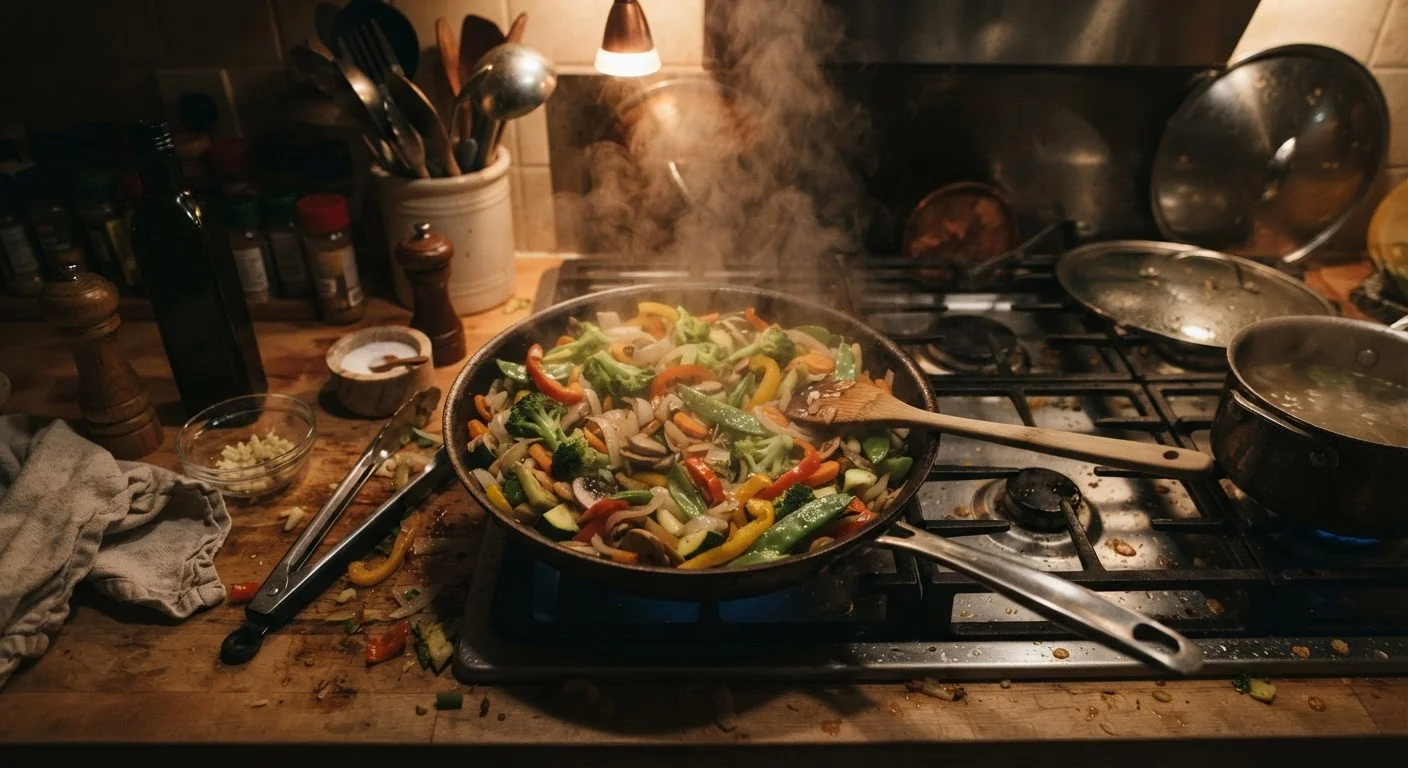
When moisture released by food cannot evaporate quickly, it accumulates as steam in the pan. Steam cooks food but it cannot brown it — browning requires direct contact with a dry, hot surface. This is why an overcrowded pan almost always produces pale, watery results regardless of how long you cook the food.
The Most Common Stovetop Mistakes — and How to Fix Them
The mistakes below cover the errors beginners make most often. Each one has a clear cause and a straightforward fix that doesn't require any special equipment or skill — just a change in approach.
Overcrowding the pan with too much food at once.
Why it happens: Beginners often want to cook everything in one batch to save time, not realising that density defeats the purpose of the heat.
Adding food to a pan that hasn't been properly preheated.
Why it happens: Patience is hard in the kitchen, and a cold pan looks ready to use. Most beginners don't know that the pan itself needs time to reach cooking temperature before food goes in.
Constantly stirring or moving food instead of letting it sit undisturbed.
Why it happens: It feels like active cooking to keep things moving, and beginners worry food will burn if left alone.
Cooking on maximum heat to speed things up.
Why it happens: Higher heat seems like it should mean faster, better results. The logic feels intuitive but misunderstands how heat transfers into food.
Skipping the resting period after cooking meat.
Why it happens: The food looks and smells done, so cutting into it immediately seems logical. Few beginners know that the internal structure of meat needs time to redistribute its moisture.
~140°F
Surface temperature needed for browning to begin
The Maillard reaction — responsible for browning and deep flavour — requires food surface temperatures well above the boiling point of water, which is why steam prevents it.
3–5 min
Average rest time for a boneless chicken breast
Food science consistently shows that resting cooked meat allows muscle fibres to reabsorb juices that contract toward the centre during cooking.
Correcting these habits also pairs well with building the practice of tasting throughout cooking. Tasting as you cook is one of the fastest ways to catch problems before they become permanent, and it works best when your heat and technique are already sound.
Putting It Together: Cooking with More Confidence
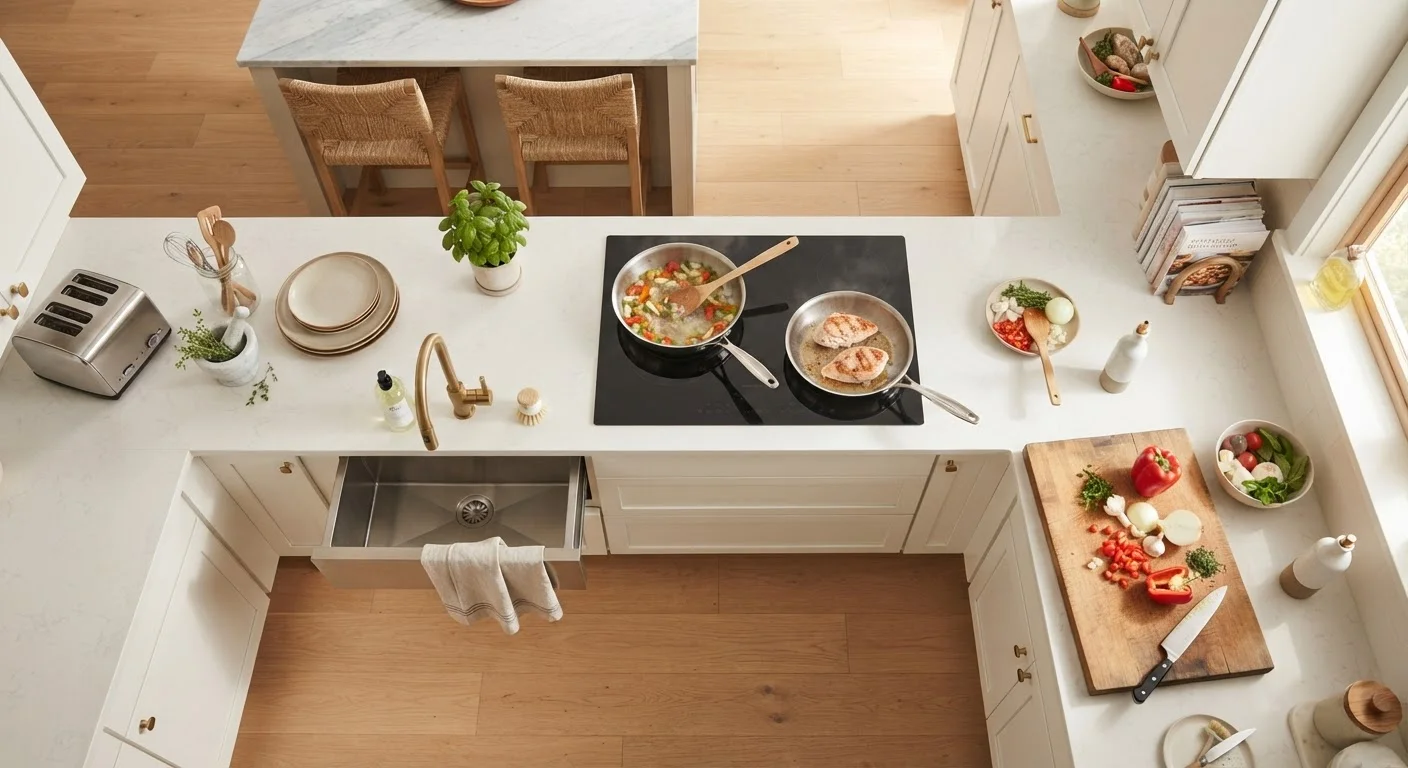
None of these fixes require a new pan, a thermometer, or years of practice. They require slowing down and understanding why each step matters. Preheating the pan properly, giving food room to breathe, and resisting the urge to constantly stir are the kinds of decisions that separate a soggy, pale stir-fry from one with real colour and flavour.
High Heat Without Attention Causes Burns
Cranking the burner to maximum and walking away is a genuine safety risk, not just a cooking error. Oils left on very high heat can reach their smoke point quickly and, if neglected, can ignite. Always stay near the stove when cooking on high heat and keep a lid nearby to smother a small pan fire — never use water.
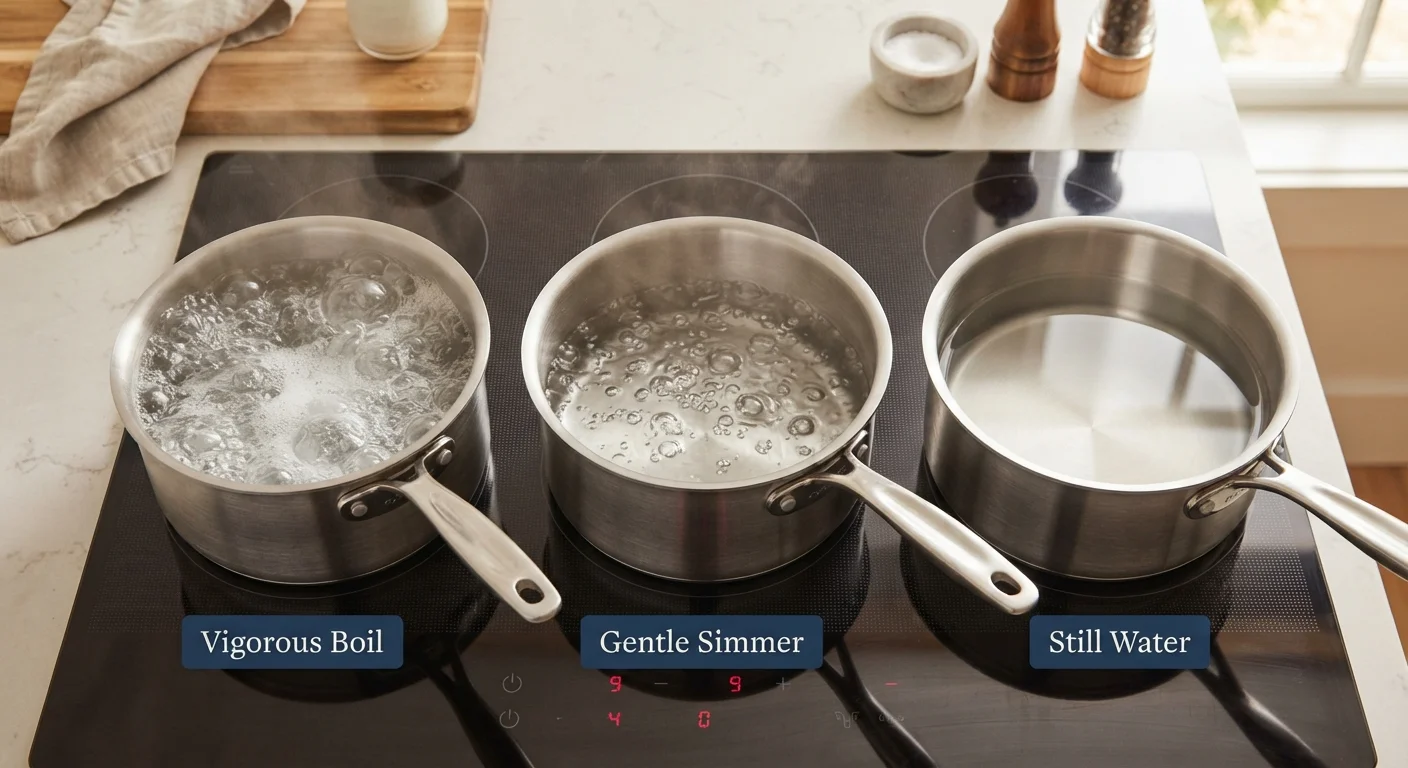
If you want to build a more structured approach before you even turn on the burner, the principle of mise en place — having everything prepared and in place before you start — removes much of the chaos that leads to these mistakes in the first place. Similarly, understanding the difference between boiling, simmering, and poaching helps you apply the right level of heat to water-based cooking. The stove is one of the most powerful tools in the kitchen — used with intention, it's also one of the most reliable.