Why the Religious Calendar Shapes Your Entire Trip
Arriving in Marrakech mid-Ramadan without any preparation is a bit like showing up to a party the day after — things are still happening, but not in the way you expected. Religious observances aren't just spiritual events; they reorganize daily life. Shops close early, mealtimes shift, public behavior norms tighten, and the emotional atmosphere of a place changes entirely.
This isn't a problem. In fact, traveling during a major observance can be one of the most memorable experiences a visitor can have — provided you understand what's going on and adjust accordingly. Whether you're navigating Ramadan in the Arab world, Diwali in India, Holy Week in Latin America, or Vesak in Southeast Asia, the underlying principle is the same: the observance belongs to the locals, and you are a respectful guest.
For a deeper look at how your travel pace affects cultural immersion, see our guide to slow travel vs. city breaks. Slowing down during a religious period often rewards visitors with the most authentic moments a destination can offer.
What you will need
Step-by-Step: How to Navigate Travel During a Religious Observance
Preparation is everything. Follow these steps before and during your trip to travel with confidence and cultural awareness.
Look Up the Religious Calendar for Your Destination
Before booking anything, identify which major religious observances fall during your travel window. Search for the destination country plus "public holidays" and "religious calendar" for the year you're traveling. Many observances follow lunar calendars, meaning dates shift each year — always check the specific year, not a generic list.
Key observances to know by region include:
- Middle East and North Africa: Ramadan, Eid al-Fitr, Eid al-Adha
- South and Southeast Asia: Diwali, Holi, Vesak (Buddha Day), Eid
- Latin America and Southern Europe: Semana Santa (Holy Week), Corpus Christi, local patron saint days
- East Asia: Lunar New Year, Qingming, Bon Festival (Japan)
Check Government Travel Advisories for Entry and Safety Updates
Large gatherings can affect security conditions, border crossing wait times, and crowd management at major sites. Always verify the current situation through your government's official travel advisory portal — in the US, that's travel.state.gov; in the UK, it's gov.uk/foreign-travel-advice. Do this within two weeks of departure, as conditions can change quickly.
Book Transport and Accommodation Further in Advance Than Usual
Religious observances drive enormous spikes in domestic travel as locals visit family. Accommodation near pilgrimage sites or city centers can sell out months ahead. For major events like Eid or Lunar New Year, aim to book flights and hotels at least two to three months in advance. If you're arriving just after a major holiday, note that return-travel congestion can last several days.
Pack and Dress Accordingly
Many observances call for modest dress, especially at religious sites or public ceremonies. Research the specific expectations for your destination. For Ramadan, modest dress (covered shoulders and knees at minimum) is widely expected in public spaces across Muslim-majority countries. During Hindu or Buddhist festivals, removing shoes before entering temple grounds is standard.
Carry a scarf or lightweight layer that can double as a cover-up. It takes up almost no space and prevents awkward or disrespectful situations.
Adjust Your Daily Schedule to Local Rhythms
During Ramadan, most social and commercial life shifts to the evening and night. Plan sightseeing for cooler morning hours, carry your own food and water discreetly, and avoid eating, drinking, or smoking in public out of respect for those who are fasting. During Hindu or Buddhist festivals, markets and ceremonies often peak in the early morning or at sunset — adjust your wake-up time to match.
Engage With Curiosity and Follow Local Cues
The single most effective guide to appropriate behavior during any observance is the people around you. Watch how locals are dressed, how they're speaking, whether they're loud or quiet, and what they're doing. If invited to participate — in a prayer, a meal, a procession — accept the invitation with genuine gratitude, follow instructions given to you, and ask questions afterward rather than during.
Observe whether photos are welcome. If people are covering their faces or turning away from cameras, that's a clear signal to put your camera away entirely.
Traveling During Observances Can Be a Gift
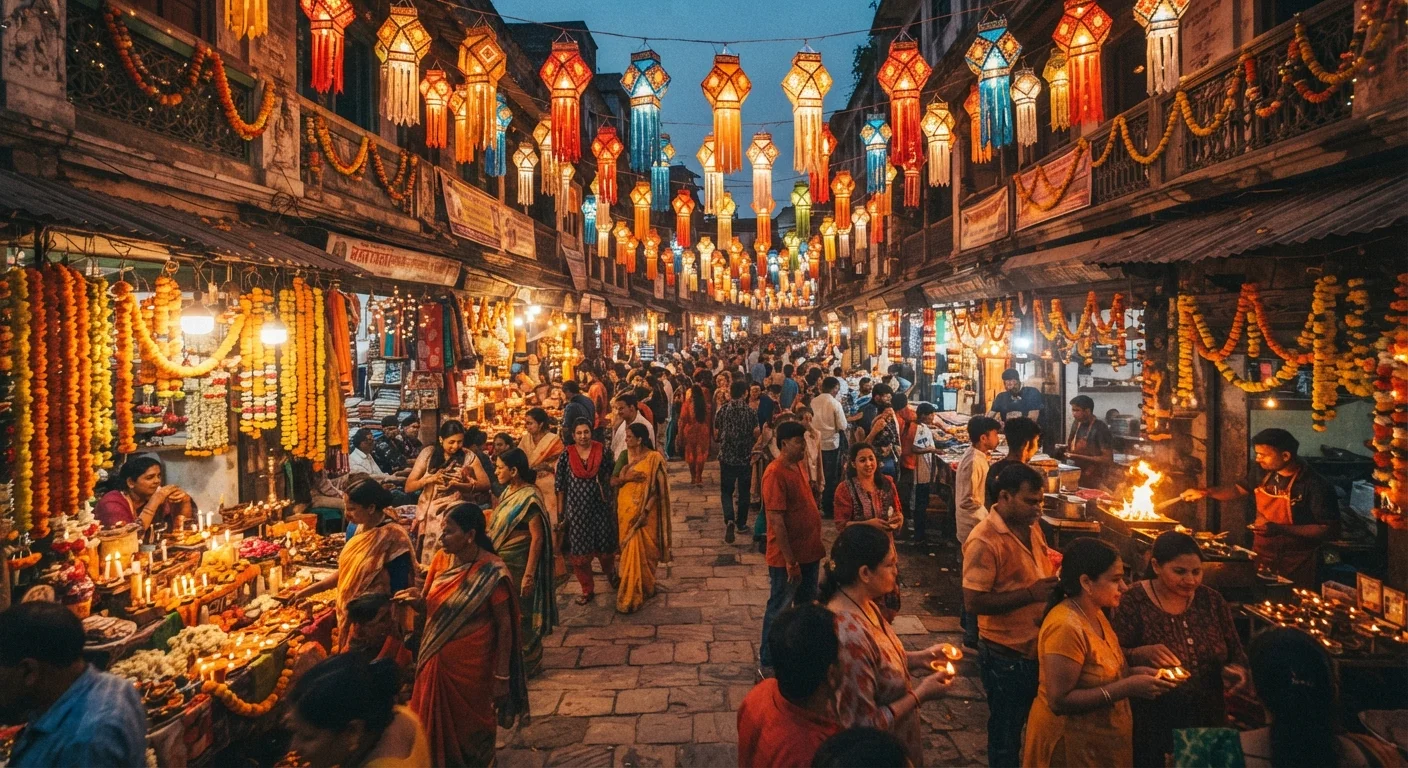
Some travelers intentionally time trips to coincide with major festivals — and for good reason. The energy, color, food, and communal spirit during Diwali, Eid, or Semana Santa can be genuinely transformative. Go in with an open mind, do your homework, and you may find these are the most vivid travel memories you ever make.
Practical Realities: What Actually Changes On the Ground
Even well-researched travelers can be surprised by how thoroughly an observance reshapes logistics. Here are the most common practical shifts to anticipate:
- Food and drink access: During Ramadan, many restaurants in Muslim-majority countries remain closed from dawn to sunset. Night hours often burst with food options instead. Stock up on snacks and water early if you'll be out during daylight.
- Alcohol restrictions: Some countries restrict or completely halt alcohol sales during religious periods. Thailand's Buddhist holidays, for example, include alcohol bans at licensed venues.
- Transport and crowds: Major festivals like Diwali or Chinese New Year create enormous internal travel surges. Trains, buses, and domestic flights book out weeks in advance. Book early or expect to be stranded.
- Noise and sleep: Pre-dawn calls to prayer during Ramadan, fireworks during Diwali, or midnight Mass bells on Christmas Eve are all part of the local experience — and potentially part of your hotel stay. Light sleepers should pack earplugs.
Sacred spaces become especially significant during observances. Our guide to sacred site etiquette outlines exactly what respectful conduct looks like at temples, mosques, and shrines worldwide.
Verify Conditions With Official Sources Before You Go
Festival periods can bring sudden changes: temporary road closures, access restrictions at sacred sites, or altered visa procedures. Always confirm current conditions through your government's official travel advisory and the destination country's tourism authority. No travel article — including this one — can substitute for up-to-date official guidance.
Participating Respectfully as a Visitor
Being invited to witness — or even participate in — a religious celebration is a genuine privilege. The key is to follow, not lead. Let locals set the pace and tone. If a family invites you to share an Iftar meal breaking the Ramadan fast, accept graciously and bring a small, culturally appropriate gift. Our gift-giving customs guide can help you avoid unintentional missteps.
Photography deserves special attention. Ceremonies, processions, and moments of prayer are deeply personal. Always ask before pointing a camera at people or sacred rituals — and if in doubt, simply put the camera away and be present. For a fuller treatment of this topic, see our guide on photography ethics and cultural etiquette.
Finally, if an observance makes your intended itinerary difficult, consider reframing the trip. Quieter travel periods often produce the most authentic experiences — and the same logic applies here. A destination during its holiest days may be quieter for tourists but richer in meaning than any other time of year.
For more practical travel tips covering logistics, etiquette, and cultural preparation, explore our full Travel Tips hub.