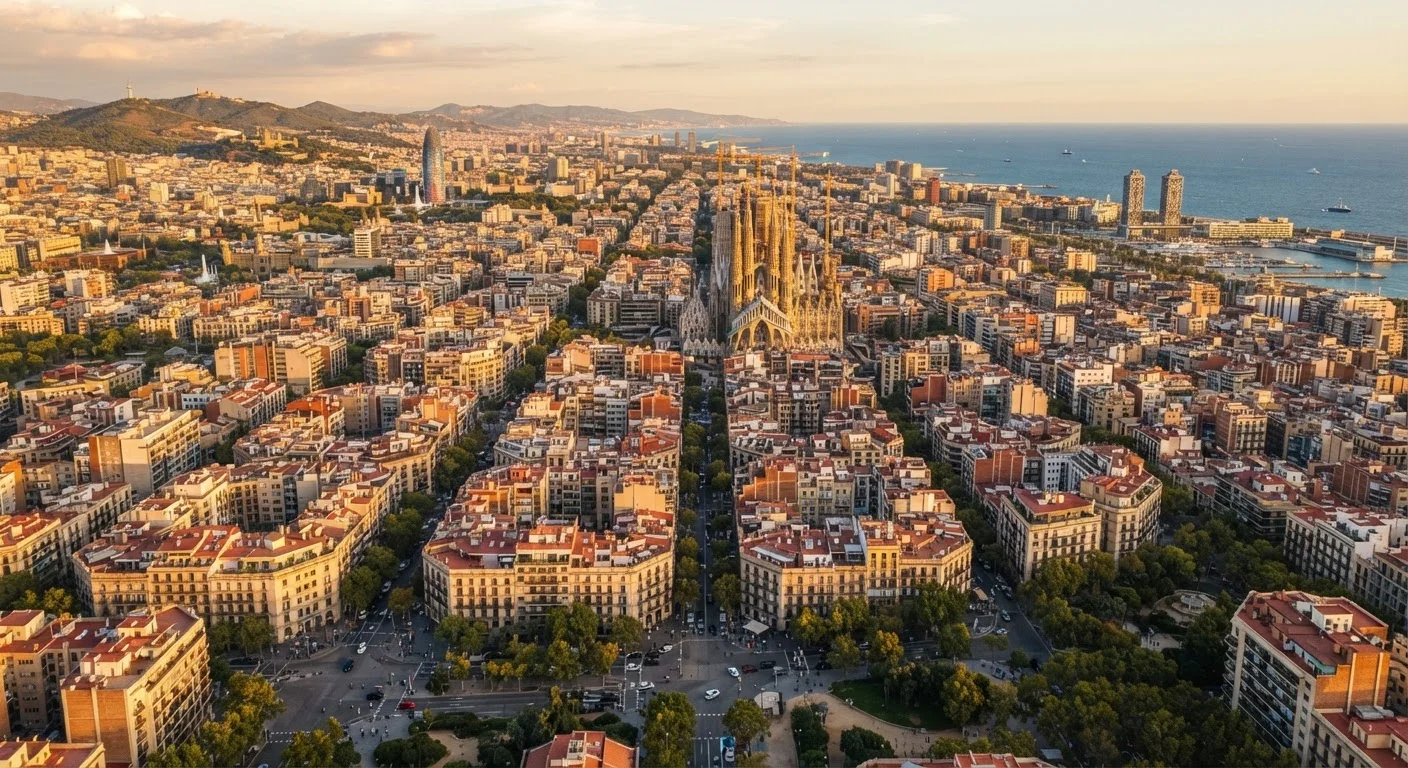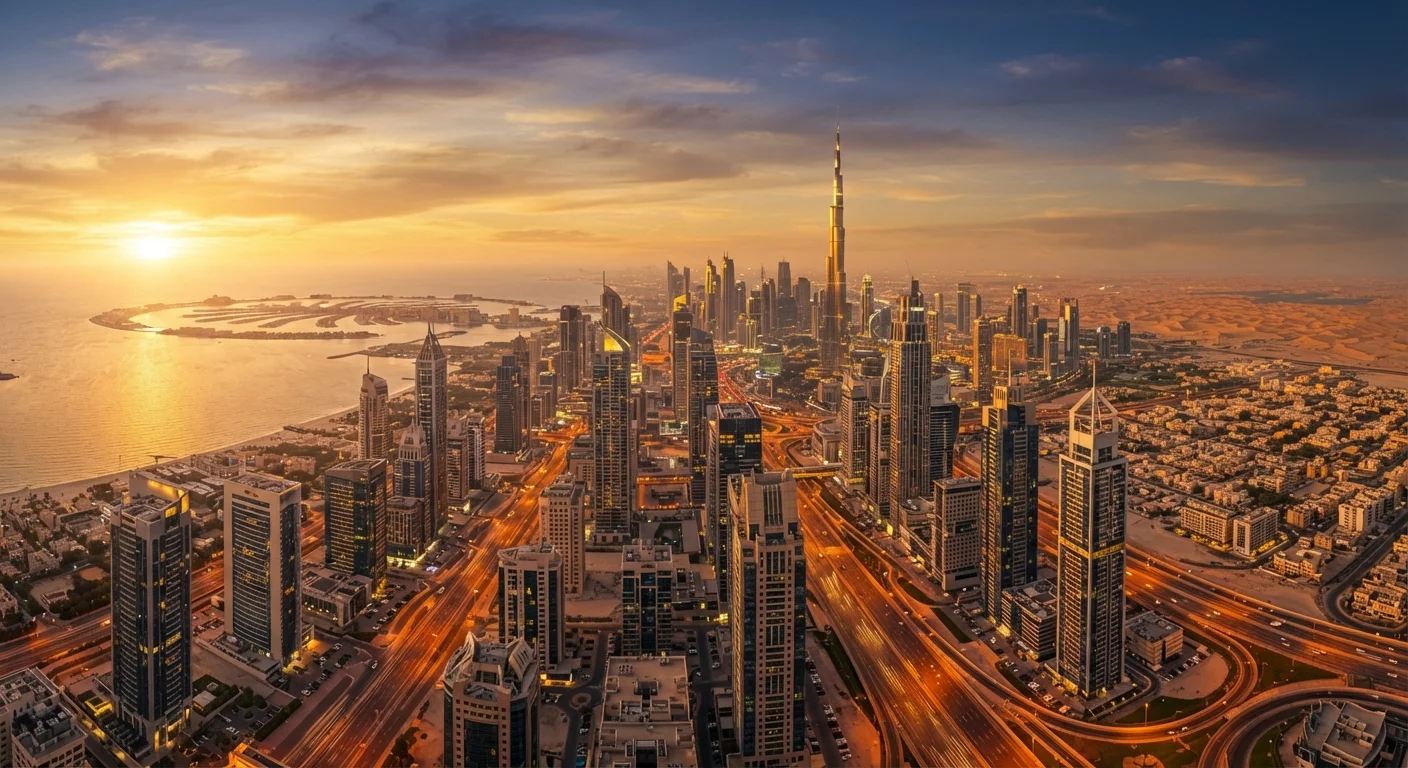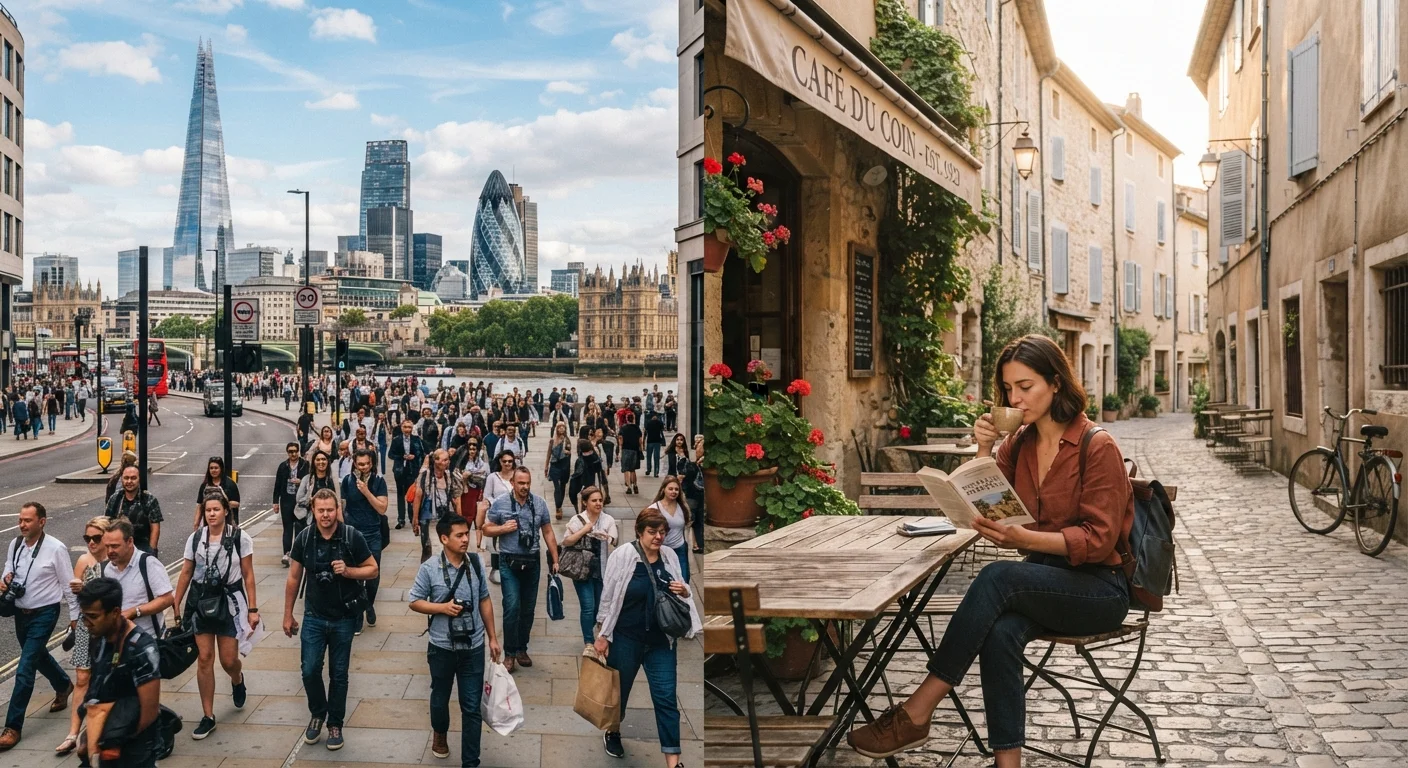

Why Season Matters More Than You Might Think
When most people plan a trip, they google flights, find the cheapest dates, and book. Season rarely enters the conversation — until you're standing in a 90-minute queue for a museum on a sweltering August afternoon, surrounded by several thousand other people who had the same idea.
Every destination has a rhythm. Peak season usually aligns with school holidays, ideal weather, or major festivals. Off-season is everything else — the months when locals get their city back. Understanding that rhythm before you travel is one of the simplest, highest-impact planning decisions a beginner can make.
The Travel Tips hub is a great starting point for building this kind of practical mindset before any trip.
~40%
Visitor reduction at some national parks in fall vs. summer
US National Park Service visitation data consistently shows dramatic drops at major parks between July and October, with some parks seeing visitor counts fall by around 40% or more.
3–4 months
Typical shoulder season window at most destinations
Travel industry analysis generally identifies shoulder seasons as lasting roughly 3–4 months per year at most destinations, bookending the peak period on either side.
The Real Upsides of Traveling Off-Peak
The most obvious benefit is space. Popular sites — national parks, old-town squares, famous museums — exist at a human scale in the off-season that peak-season visitors simply never see. Arriving at a canyon overlook to find just a handful of people rather than a tour-bus convoy changes the experience entirely.
Beyond elbow room, off-season travel tends to surface more authentic encounters. When a town isn't catering exclusively to tourists, you interact with its actual daily life: the café where locals actually eat breakfast, the evening market that isn't staged for cameras. This connects directly to the appeal of slow travel, where immersion rather than sightseeing is the goal.
When Off-Season Isn't the Right Call
Low season exists for a reason, and sometimes that reason is genuinely difficult conditions. Hurricane season in the Caribbean, monsoon season in Southeast Asia, or deep winter in a mountain village can mean flooded roads, dangerous conditions, or entire streets shuttered. "Fewer crowds" is cold comfort if the main attraction is closed or the weather makes outdoor exploration miserable.
Certain cultural calendars also cut both ways. Traveling during a major religious observance might mean some services are limited — but it can also mean witnessing extraordinary celebrations that few outsiders ever see. Our guide to navigating travel during public holidays and religious festivals walks through how to read those situations respectfully.
Always Verify Conditions Before You Travel
Off-season information found on travel blogs or booking sites may be out of date or written with commercial intent. For current safety advisories, check your government's official travel advisory portal (such as travel.state.gov for US travelers) and the destination's official tourism authority website. Conditions, entry requirements, and local restrictions can change — sometimes quickly.
How to Actually Assess a Destination's Off-Season
Start with the official tourism board for your destination — most publish clear seasonal guides. Then cross-reference with weather data from a reliable meteorological source rather than a travel blog with a vested interest in selling tours.
Ask three questions: What closes? (Accommodations, transport links, and attractions may all have seasonal schedules.) What weather should I expect? (Not just temperature — also rainfall, humidity, daylight hours.) Why is it quiet? (If it's quiet because of risk — storms, flooding, extreme heat — that matters.)
Packing flexibility matters here too. Off-season weather can swing unpredictably, so layering strategies become important. Our guide on packing across climates in a carry-on offers practical approaches for staying prepared without over-packing.
Once you've weighed those factors, you'll have a much clearer picture of whether a quieter visit is an upgrade — or simply a trade-off you're making with open eyes.
Search for the Local Calendar, Not Just the Weather
Beyond climate, check whether your destination hosts major festivals, conventions, or public holidays during your planned window — these can spike crowds and prices even in otherwise quiet months. Local government tourism sites and cultural calendars are far more reliable than aggregator travel platforms for this kind of detail.