Why Photography Ethics Matter More Than You Think
Your camera is one of the most powerful tools you carry while traveling — and one of the most culturally loaded. A photograph taken without consent can feel invasive, extractive, or even spiritually harmful depending on where you are and who you're photographing. This isn't about being overly cautious; it's about recognizing that curiosity and respect aren't mutually exclusive.
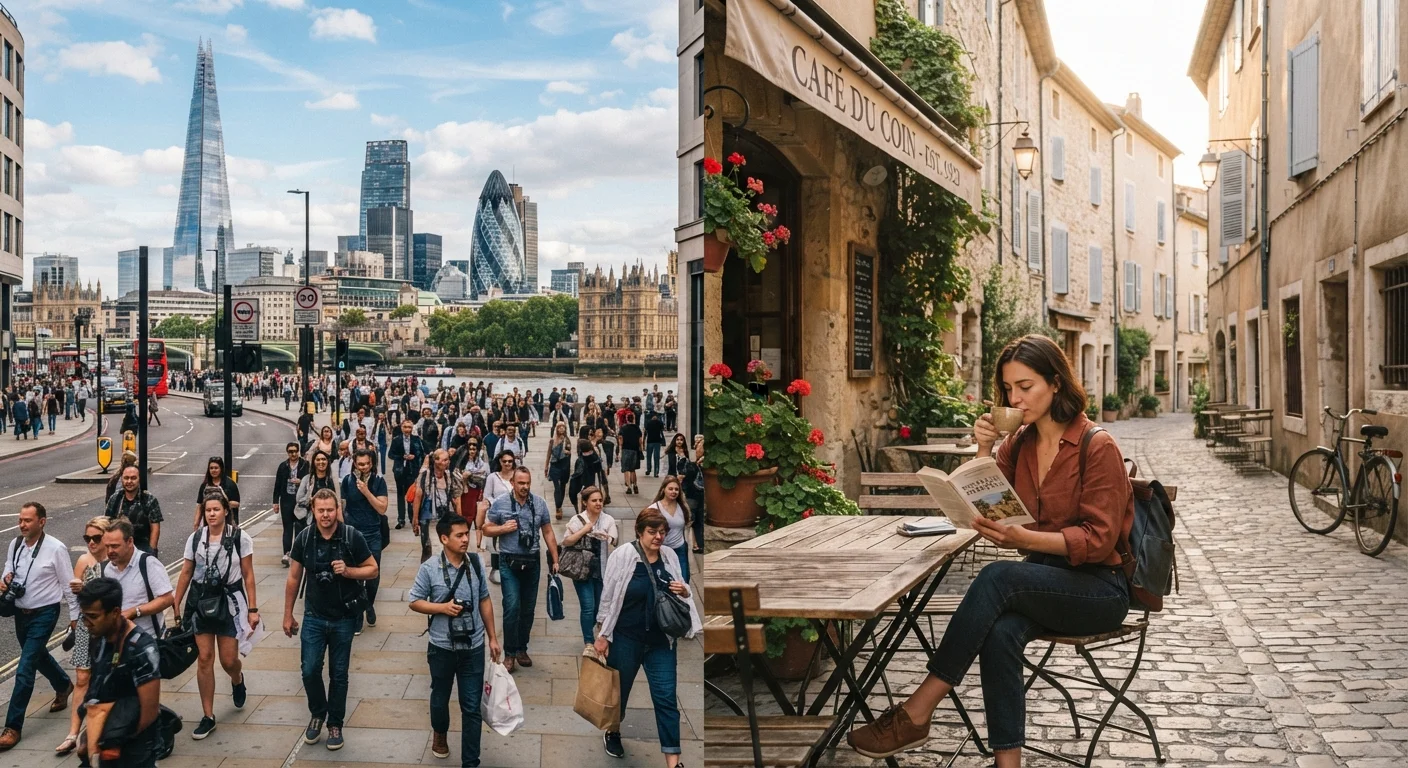
Travel photography sits at an uncomfortable intersection of art, tourism, and power. Visitors often hold economic and social privileges relative to the communities they photograph, which means the dynamic is rarely equal. Understanding this context — even briefly — transforms how you approach that shot. For a deeper look at how cultural values shape everyday interactions, see how individualism and collectivism shape social behaviour.
Ask permission before photographing any individual
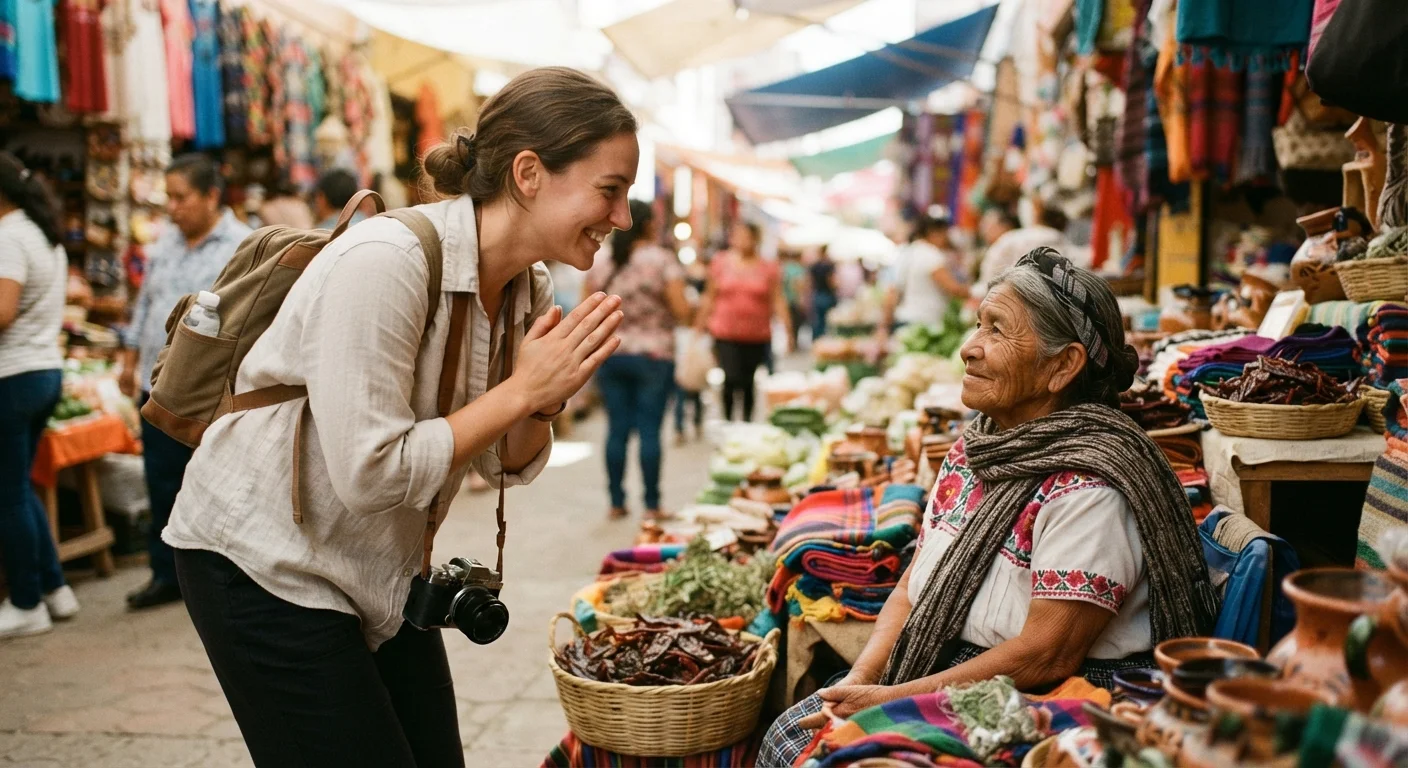
Consent is the cornerstone of ethical photography. Taking someone's photo without asking treats them as scenery rather than a person with their own agency and preferences. This is especially important in close-up or portrait situations.
Delete images immediately if asked
If someone asks you to delete a photo you've taken, do it — promptly and without argument. Their comfort with how their image is used matters more than any shot. Refusing or stalling is a form of coercion.
Observe and follow local photography norms before shooting
Communities often have unwritten rules about what can be photographed. Watching how locals behave around tourists with cameras — or whether no one photographs at all — gives you important cues before you act.
Never photograph children without explicit parental consent
Children cannot meaningfully consent to being photographed by strangers, and their images can be misused in ways families cannot anticipate. Parental permission is non-negotiable in any context.
Consider the full story your photo tells
A single image can reinforce stereotypes or misrepresent an entire community if stripped of context. Ask yourself whether your photo humanizes or reduces the people in it — and whether you'd be comfortable showing it to the subject.
Navigating Sacred Spaces and Ceremonies
Religious ceremonies, funeral rites, and sacred sites deserve a special level of caution. Many communities consider photography during worship an act of disrespect or even desecration — regardless of your intentions. Before lifting your camera at a temple, shrine, mosque, or ceremonial gathering, look for posted signs and observe what locals are doing. When in doubt, don't.
Some sites permit photography in outer areas but not inner sanctuaries. Others ban cameras entirely. These rules exist to protect the dignity of the practice and the privacy of worshippers. Our guide to respectful conduct at sacred spaces covers this in much more detail.
When No Sign Exists, Ask Anyway
The absence of a 'no photography' sign does not mean photography is welcome. At sacred or ceremonial sites, default to restraint and ask a staff member or community representative before shooting. This small step shows genuine respect and often leads to richer cultural exchanges than any photograph would.
If you're traveling during a major religious observance, the stakes are even higher. Cameras at a festival can shift the atmosphere for everyone present. Learn what those observances mean before you arrive — our article on navigating travel during religious festivals is a great starting point.
Quick Wins: Better Habits You Can Start Today
Ethical photography doesn't require a philosophy degree — it requires a few deliberate habits. The practices below are easy to adopt and make a real difference to the communities you visit.
For more on how everyday traveler behavior — well beyond photography — reads differently across cultures, see our overview of public behaviour abroad. You may also want to explore the most common cultural missteps travelers make to avoid unintended offense.