What Makes Tablets and Laptops Fundamentally Different
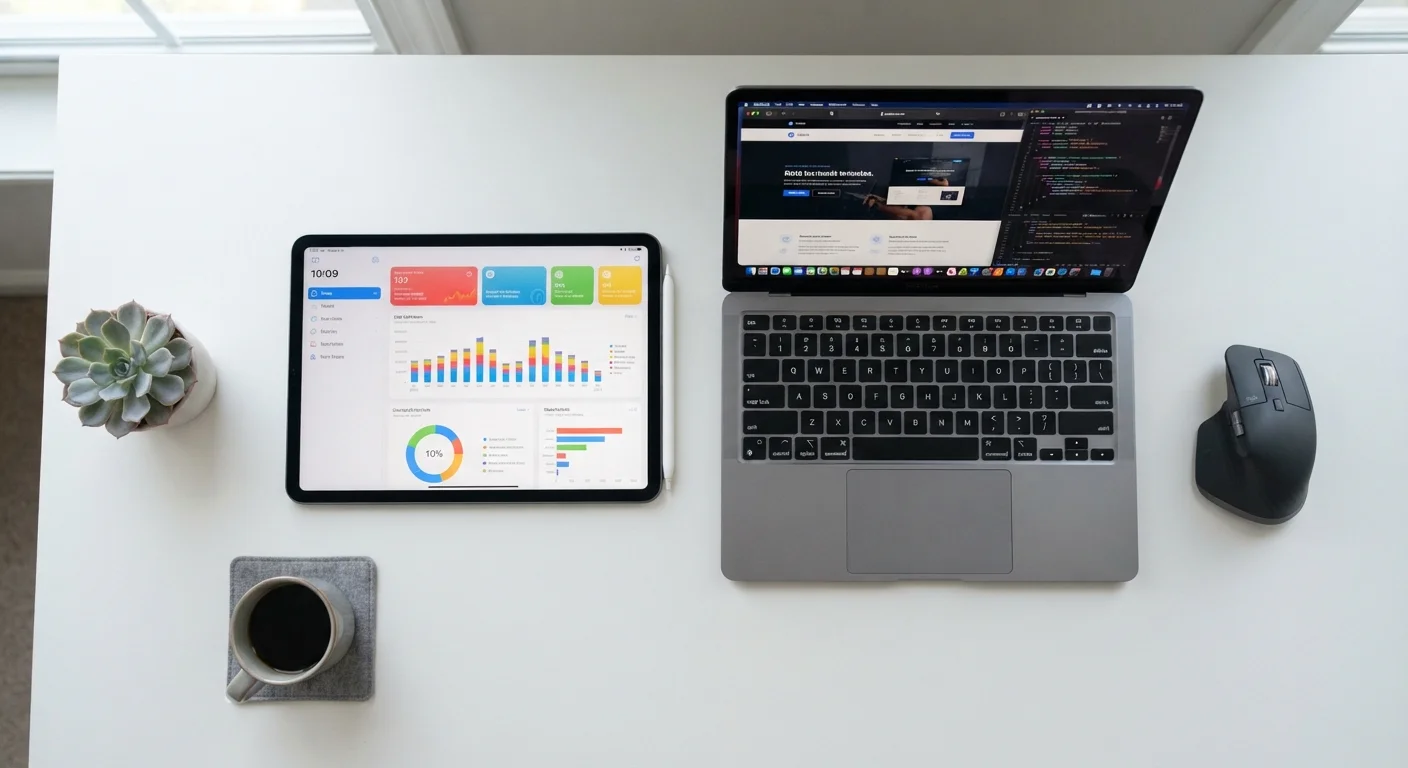
At their core, tablets and laptops are built around different assumptions about how you interact with a device. A tablet is essentially a large touchscreen with computing power behind it — you tap, swipe, and pinch your way around. A laptop wraps that computing power in a form designed around a physical keyboard and a trackpad, prioritizing input precision over touch convenience.
This design difference cascades into everything else: the software each device runs, the tasks it handles comfortably, and even how long the battery lasts. Tablets typically run mobile operating systems (like iPadOS or Android), which are optimized for apps built with touch in mind. Laptops run desktop operating systems (like Windows or macOS), which support a broader ecosystem of full-featured software. That said, the line has blurred slightly — some tablets now support desktop-class apps, and some laptops have touchscreens — but the core distinction still holds for most devices in real-world use.
Understanding this foundation helps you ask the right question: it is not which device is better, but which design philosophy matches your daily habits.
Performance, Portability, and Everyday Usability
For common everyday tasks — checking email, video calls, streaming, light web browsing — both devices perform well. The differences emerge at the edges.
| Criterion | Tablet | Laptop |
|---|---|---|
| Typical weight | Under 1 lb (most models) | 2–5 lbs depending on size |
| Input method | Touchscreen primary | Physical keyboard and trackpad |
| Operating system | Mobile OS (iPadOS, Android) | Desktop OS (Windows, macOS) |
| Software compatibility | App store apps | Full desktop applications |
| Typical battery life | 10–12 hours | 6–15 hours (varies widely) |
| Best for | Media, reading, light tasks | Productivity, complex software |
| Cellular connectivity | Often available as option | Less common; mostly Wi-Fi |
Performance: Laptops generally carry more powerful processors and larger amounts of RAM (the memory that keeps apps running smoothly), which matters when running complex software, editing large files, or keeping many browser tabs open at once. If you have ever noticed a slowdown on an older machine, the reasons behind that lag are worth understanding before you choose your next device.
Portability: Most tablets weigh under one pound and slip into a bag with ease. Even lightweight laptops typically weigh two to three times more. For someone who carries a device across multiple locations every day, that difference is physical and real.
Battery life: Tablets generally last longer on a single charge — often 10 to 12 hours — because their operating systems and apps are engineered to use power efficiently. Laptops vary widely, from around 6 to 15 hours depending on the model and what you are running.
Input: Sustained typing — writing reports, coding, composing long emails — is far more comfortable on a physical keyboard. Tablet keyboards (either on-screen or clip-on accessories) work for short bursts but rarely match the feel or accuracy of a laptop keyboard for extended sessions.
~1 lb
Typical tablet weight
Most mainstream tablets weigh under one pound, compared to two to five pounds for a comparable laptop — a meaningful difference for daily carrying.
10–12 hrs
Average tablet battery life
Mobile operating systems are engineered for power efficiency, giving tablets a consistent battery life advantage over most laptop categories.
Millions
Apps available on tablet platforms
Both major tablet platforms (iPadOS and Android) offer millions of apps, though desktop-grade professional software is less consistently available.
Software, Apps, and What You Can Actually Do
One of the most practical differences between tablets and laptops lives in the software each supports. Laptops running Windows or macOS can run full desktop applications — professional video editors, accounting programs, engineering tools, and more. Tablets rely on app stores, and while those apps have improved dramatically, some desktop-class software either has no tablet version or offers a stripped-down experience.
For example, if your workflow depends on a specific program your employer provides, it is worth checking whether a tablet version exists and whether it covers all the features you need. The Apps & Software hub is a useful starting point for exploring how different tools behave across device types.
That said, for the vast majority of everyday software — streaming services, social media, note-taking, cloud-based productivity tools — tablets handle things smoothly. And because both device types can sync notes, files, and calendars across platforms, switching between them mid-day is more seamless than it used to be. For a clear explanation of how that works, see our guide on syncing across devices.
The Hybrid Option: 2-in-1 Devices
Some devices sit between these two categories — 2-in-1 laptops feature detachable or foldable keyboards that let you switch between tablet and laptop modes. These can be a reasonable middle-ground option for users whose needs genuinely span both use cases. However, they typically involve trade-offs in weight, keyboard feel, or processing power compared to dedicated devices in either category. It is worth testing one in person before committing.
Finally, consider connectivity. Both tablets and laptops connect to Wi-Fi, but some tablets also support cellular data connections — a potentially useful option if you frequently work away from home or office networks. The trade-offs between those connection types are explained in detail in our comparison of Wi-Fi vs. mobile data.
Which One Should You Get? A Practical Decision Guide
The honest answer is that neither device is universally superior — they solve different problems well. Here is a simple way to think through the decision:
- Choose a tablet if most of what you do is consume content (reading, watching, browsing), you want something you can hold comfortably for long periods, and you do not need desktop software.
- Choose a laptop if you write a lot, rely on specific desktop-grade programs, or need to juggle multiple complex tasks at once.
- Consider both if your needs span serious work and casual leisure — many people use a laptop for work and a tablet for personal use, and keeping both devices in good shape is easier than it sounds. Our guide to long-term device care covers practical habits that apply to either.
Whichever direction you lean, grounding the decision in your actual daily habits — not marketing specs — is the most reliable guide you have.