What Transplant Shock Actually Means
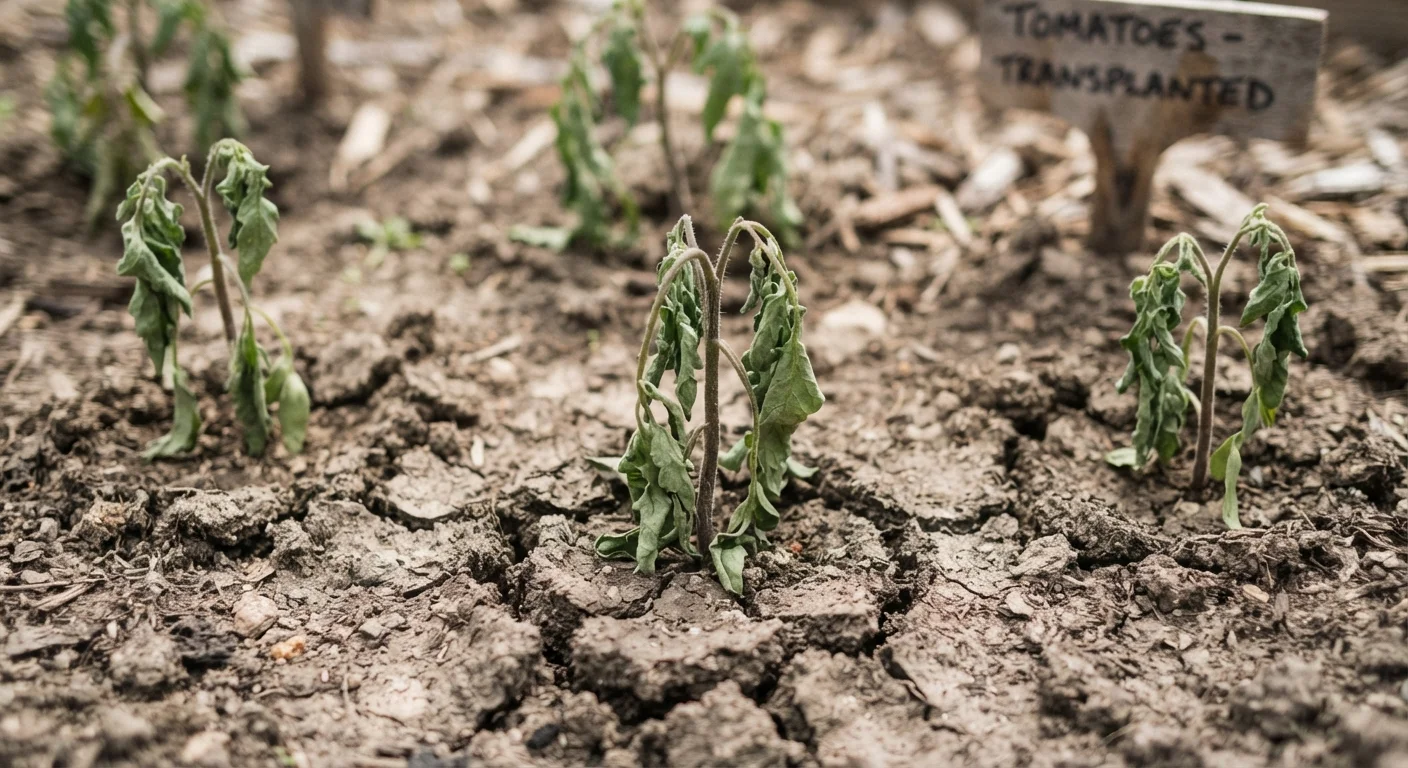
When a seedling moves from one environment to another — a tray to a garden bed, or indoors to outside — it experiences stress. Its roots are disturbed, humidity levels change, and sunlight intensity shifts dramatically. This stress response is called transplant shock, and it shows up as wilting, yellowing leaves, stunted growth, or complete collapse within days.
The good news: transplant shock is normal, and in most cases it's avoidable. The mistakes that cause it are consistent and learnable. Whether you're growing tomatoes, herbs, or flowers, understanding where things go wrong is the fastest path to keeping your seedlings alive. If you're still deciding whether to start from seed or buy established starts, see our guide to seeds vs. seedlings for a clear comparison.
The Most Common Transplanting Mistakes
These errors appear repeatedly among first-time growers. Each one is fixable once you know what to look for.
Skipping hardening off before moving seedlings outside.
Why it happens: Beginners often don't realize that indoor-grown seedlings have never experienced direct sun, wind, or temperature swings — the jump outdoors is far more extreme than it looks.
Transplanting into dry soil without pre-watering the bed.
Why it happens: It feels intuitive to water after planting, but dry soil pulls moisture away from already-stressed roots before the seedling can recover.
Disturbing or tearing the root ball during removal from the tray.
Why it happens: Seedlings in small cells or trays can be tricky to remove, and impatient pulling tears the fine root hairs that absorb water and nutrients.
Transplanting at the wrong depth — too shallow or too deep.
Why it happens: Without guidance, many beginners plant at whatever depth feels roughly right, not realizing that stem burial or exposed roots have serious consequences.
Transplanting during peak afternoon heat or in direct, harsh sunlight.
Why it happens: Daytime often feels like the natural moment to garden, but high temperatures and intense sun dramatically increase water loss from seedling leaves.
Setting Your Seedlings Up for Long-Term Success
Beyond avoiding mistakes, a few proactive habits make a real difference. Water the transplant hole before placing the seedling — not just the surface after. This draws moisture toward the root zone immediately. Transplanting in the early morning or on overcast days reduces heat stress significantly.
Soil quality matters more than most beginners realize. Loose, well-draining soil lets roots establish without fighting compaction. If you're working with containers versus in-ground beds, the requirements differ — our article on container gardening vs. in-ground beds walks through exactly what changes between the two setups.
Fertilizer Right After Transplanting Can Backfire
Adding fertilizer immediately after transplanting is a common instinct — it seems like a helpful boost. In reality, high-nitrogen fertilizers applied to stressed roots can cause chemical burn and make recovery harder. Wait at least two weeks after transplanting before feeding, and start with a diluted solution rather than full strength.
Once your seedlings are in the ground, consistent but measured watering is the key variable. Overwatering is just as damaging as drought. For a clear breakdown of common watering misconceptions, our watering myths article addresses the most persistent errors with practical corrections.