The Real Reason Recipes Are So Specific About Butter
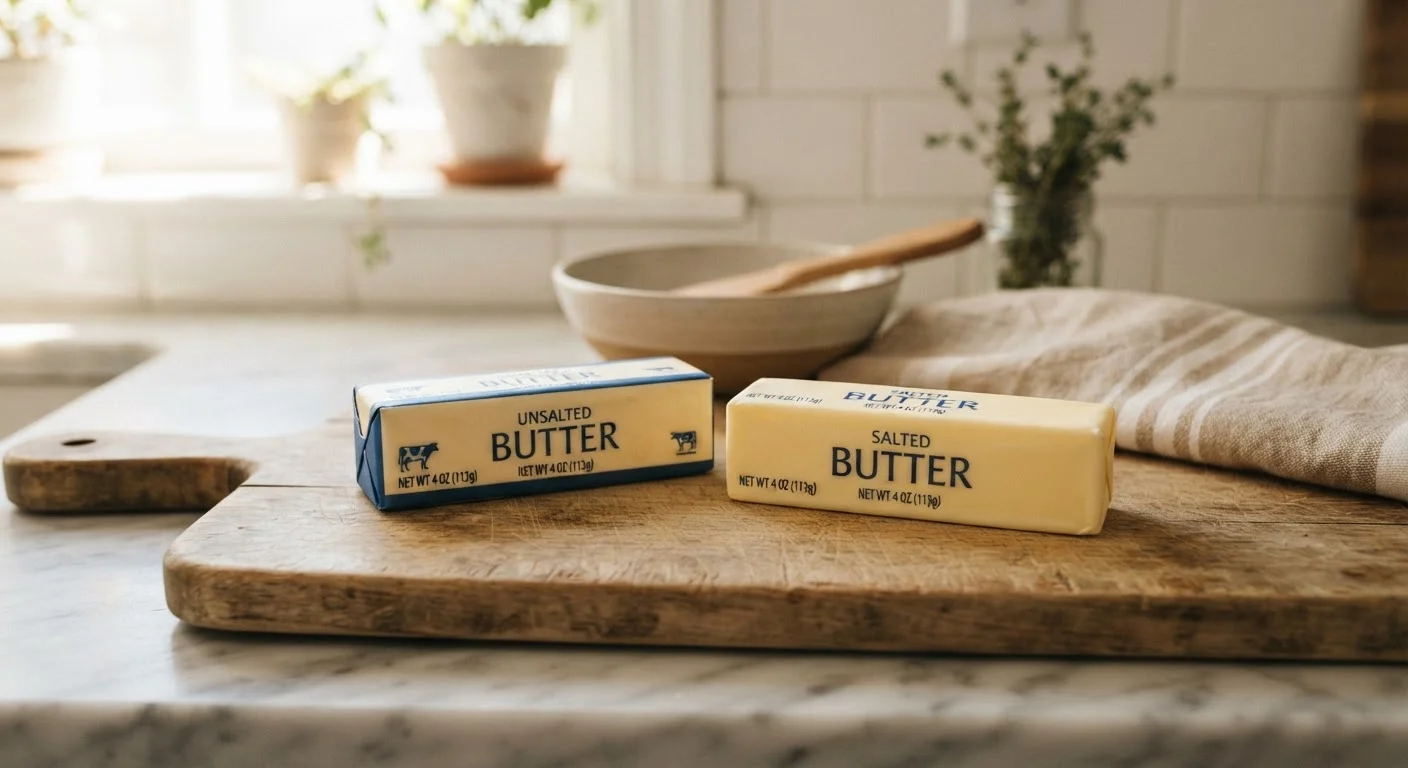
If you've ever glanced at a cookie or cake recipe and wondered why it says unsalted butter rather than just "butter," you're not being overly curious — it's a genuinely important distinction. The short answer: salt content in butter is not standardized. Different brands add different amounts, which means two sticks of salted butter from different manufacturers can deliver meaningfully different sodium levels into your dish.
Baking especially depends on precise ratios. Reading a recipe carefully is foundational to good results, and butter type is one of those details worth taking seriously. When a recipe developer tests a cake, they're using unsalted butter and adding a measured pinch of salt separately — so every element is intentional and repeatable.
Savory cooking is generally more forgiving. If you're melting butter in a pan to sauté mushrooms, the exact sodium level matters far less. But the moment precise texture, rise, or flavor balance comes into play — think pie crust, pound cake, or buttercream frosting — that uncontrolled variable becomes a real problem.
What Salt Actually Does Inside a Recipe
Salt isn't just a flavor booster — it actively participates in cooking chemistry. Salt changes the science of cooking in ways that go well beyond taste: it affects protein structure, moisture, and even how dough develops. When salt is already embedded in your butter, you lose the ability to control those effects precisely.
In baked goods, too much salt can slow yeast activity in yeasted breads, affect gluten development, and create a noticeably salty or flat flavor that competes with sweetness. In a delicate shortbread or a vanilla sponge, even a small excess is perceptible. Understanding how different salts behave helps clarify why adding your own measured amount — rather than relying on what's already in the butter — keeps you in control.
Substituting Salted Butter in a Pinch
If a recipe calls for unsalted butter and you only have salted, reduce any separately listed salt by about ¼ teaspoon per stick (½ cup) of butter. Taste as you go when possible. This won't be perfectly precise — since brand sodium levels vary — but it's much better than adding the full amount of salt on top of an already-salted butter.
The fix when you only have salted butter: reduce added salt in the recipe by about ¼ teaspoon per ½ cup (one stick) of butter. It's an imperfect adjustment, but it significantly reduces the risk of an over-salted result.
Freshness and Flavor: The Hidden Advantage of Unsalted
There's a second, less obvious reason to reach for unsalted butter: freshness. Salt is a preservative, and salted butter's longer shelf life means it can sit in cold storage or on a store shelf longer before reaching you. That's convenient, but it also means the butter you're using may be older — and salt can mask early signs of rancidity or off-flavors.
Unsalted butter, because it lacks that preservative, turns over faster. What you buy tends to be fresher, and its flavor is noticeably cleaner and more purely creamy. In applications where butter is a starring ingredient — a classic beurre blanc sauce, a simple brown butter, or a from-scratch croissant — that pure dairy flavor genuinely matters.
90–180 mg
Sodium per tablespoon in salted butter
The range reflects real variation across commercial brands, making unsalted butter far more predictable for recipe accuracy.
~1.5%
Typical salt content by weight in salted butter
This means a standard 4-oz stick of salted butter contains roughly 1.7 grams of salt — enough to noticeably affect baked goods if unaccounted for.
3–4 months
Freezer life of unsalted butter
Unsalted butter freezes well, so buying it in bulk and freezing it solves the shorter shelf-life concern entirely.
Similarly, choosing the right flour follows the same logic: ingredients that seem interchangeable often aren't, and using the specified type is the most reliable way to get the intended result.
When Salted Butter Is Perfectly Fine
None of this means salted butter belongs in the bin. For spreading on toast, finishing roasted vegetables, or enriching a pan sauce where you'll taste and adjust seasoning anyway, salted butter is entirely appropriate and often delicious. Many home cooks keep only salted butter on hand and cook beautifully every day.
The discipline of using unsalted butter matters most in baking and in preparations where the butter-to-salt ratio is fixed by the recipe rather than adjusted by taste. Once you understand the why behind the instruction, you can make informed decisions rather than blindly following the label — or ignoring it without knowing what you're trading away.
As a practical habit: keep unsalted butter for baking and cooking from recipes, and salted butter for the table or for freeform savory cooking where you're seasoning as you go. That simple split removes the guesswork entirely.