Why Recipes Feel Confusing at First
A recipe is essentially a technical document written in shorthand. It assumes you share the same vocabulary as the writer — and if you don't, even a straightforward dish can feel like a puzzle. The good news is that recipes across cuisines and cookbooks follow the same basic structure and use the same core conventions. Learning that structure once means you can read almost any recipe with confidence.
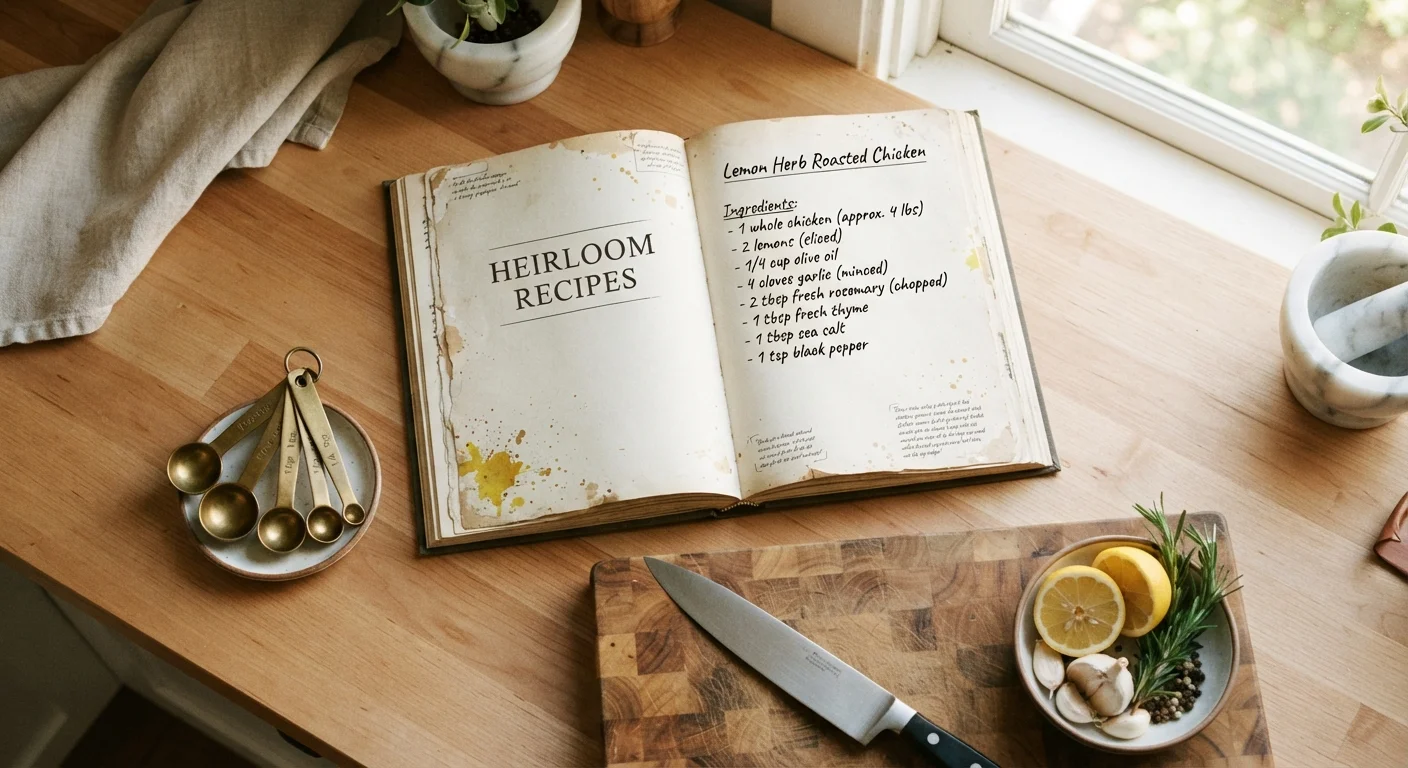
Most recipes are organised in a fixed order: a title and brief description, yield (how many servings it makes), time estimates, an ingredient list, and a numbered or bulleted method. Some include a notes section at the bottom with substitutions or storage advice. Understanding this layout stops you from missing information that's easy to overlook. Just as reading a food ingredient list follows its own conventions, so does a recipe — and both reward a systematic approach.
Read the Whole Recipe First
Before you touch a single ingredient, read the recipe from top to bottom. Many beginner mistakes — like missing a marinating step or discovering you need a tool you don't have — are entirely avoidable with one full read-through. Cooking is a sequence, and understanding the whole sequence before you start is one of the most important skills you can develop.
Once you're comfortable reading recipes, you'll also want to develop the habit of tasting throughout the process — our guide on tasting as you cook builds naturally on what you'll learn here.
How to Read a Recipe Step by Step
Follow these steps the first time you sit down with a new recipe. With practice, most of this becomes automatic — but structured reading protects you from costly mid-cook surprises while you're still building experience.
What you will need
Measuring cups (dry and liquid)
Used to measure volume-based ingredients accurately; dry and liquid versions behave differently.
Measuring spoons
Used for small quantities like teaspoons and tablespoons of spices, oils, or leaveners.
Kitchen scale
Used when recipes list ingredients by weight (grams or ounces) rather than volume.
Cooking timer
Helps track cook times accurately, especially when multiple steps overlap.
Read the recipe from start to finish before doing anything
Sit with the recipe and read it completely — ingredients list, method, and any notes at the bottom. You're not memorising; you're building a mental map. Notice where time-sensitive steps fall, whether any ingredients need advance prep (like soaking beans overnight), and what equipment is required.
Decode unfamiliar culinary terms
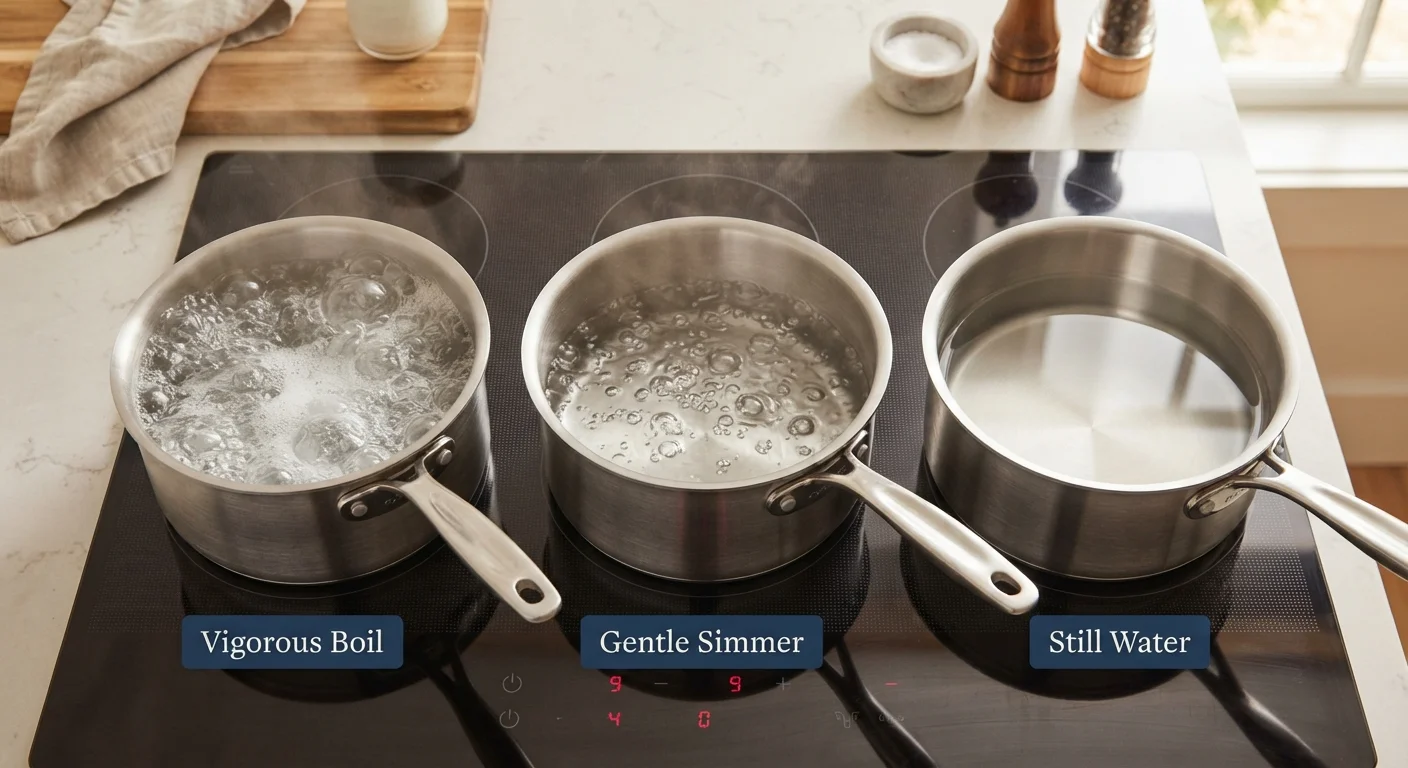
Recipes use precise cooking verbs that describe a specific technique. Common ones to know: fold (gently combine without deflating air, usually for batters), simmer (cook liquid just below boiling — small bubbles only), sauté (cook quickly in a small amount of fat over medium-high heat), and reduce (boil a liquid until it thickens and concentrates). For a deeper look at stovetop technique differences, see our guide to sautéing vs pan-frying.
Learn the standard measurement abbreviations
Recipe shorthand is consistent once you know the key abbreviations:
- tsp or t = teaspoon
- tbsp or T = tablespoon (3 teaspoons)
- c = cup
- oz = ounce (weight or fluid, depending on context)
- g = gram
- lb = pound (16 ounces)
Context tells you whether 'oz' means weight (for solids) or fluid ounces (for liquids). When in doubt, the ingredient itself is the clue — you weigh flour, you measure milk in fluid ounces.
Parse ingredient quantities and their prep instructions
The ingredient list tells you two things: how much of something you need, and in what state. Pay close attention to where descriptive words appear relative to the comma. For example:
- '2 cups sliced mushrooms' — slice first, then measure two cups.
- '2 cups mushrooms, sliced' — measure two cups whole, then slice them.
This distinction changes actual quantities, which affects both flavour balance and cooking time.
Understand prep time vs. cook time
Most recipes list prep time and cook time separately. Prep time covers all the chopping, measuring, and organising before heat is applied. Cook time is the active cooking. Add both together for a realistic estimate of when the dish will be ready. Some recipes also list a third figure — inactive time — for resting, chilling, or marinating, where you wait but don't actively work. This is the time that surprises most beginners.
Check the yield and scale if needed
Recipes are written for a specific number of servings — called the yield. If a recipe serves four and you're cooking for two, you'll halve every ingredient. Scaling works straightforwardly for most ingredients, but take extra care with leavening agents (baking powder, baking soda, yeast) and spices — these don't always scale linearly, and over-seasoning a halved batch is a common mistake.
Prep Order in Ingredient Lists Matters
When a recipe reads '1 cup chopped walnuts', it means measure one cup after chopping. But '1 cup walnuts, chopped' means measure one cup whole, then chop. These produce different quantities. If the order seems ambiguous, re-read carefully — the placement of the prep word (before or after the comma) is the clue.
Build a Short Glossary as You Go
Keep a small notepad or phone note with unfamiliar recipe terms as you encounter them. After cooking a dozen recipes, you'll have built a working culinary vocabulary without any deliberate study. Terms like 'deglaze', 'blanch', and 'reduce' become second nature quickly with repeated real-world exposure.