What Each One Actually Is
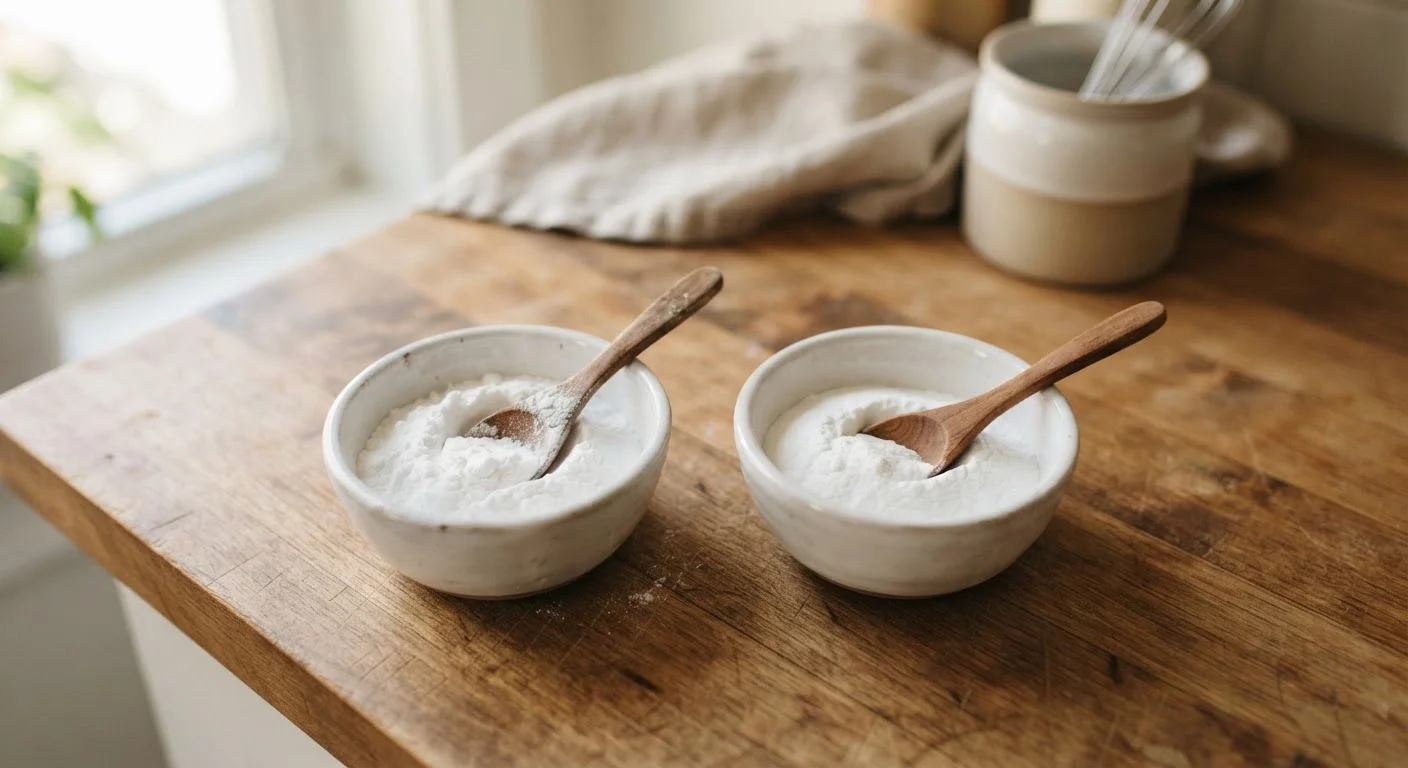
Baking soda is a single chemical compound: sodium bicarbonate. On its own, it is a base (the opposite of an acid on the pH scale). It has no leavening power until it meets an acid — at that point, a chemical reaction produces carbon dioxide gas bubbles, which expand in the heat of the oven and make your batter rise.
Baking powder is a pre-mixed blend. It typically contains sodium bicarbonate, a dry powdered acid (most commonly cream of tartar or sodium aluminum sulfate), and a starch such as cornstarch that absorbs moisture and keeps the powder from clumping. Because the acid is already present inside the powder, no acidic ingredient in the recipe is required. For a broader look at how these chemical leaveners compare to yeast-based rising methods, see how yeast, sourdough, and chemical leaveners each raise dough.
| Criterion | Baking Soda | Baking Powder |
|---|---|---|
| Main ingredient | Pure sodium bicarbonate | Sodium bicarbonate + dry acid + starch |
| Needs recipe acid to work | Yes — essential | No — acid is built in |
| Leavening strength | About 3–4× more potent | Milder per teaspoon |
| Activation timing | Reacts immediately on contact with acid | Double-acting: moisture then heat |
| Effect on colour | Promotes browning (Maillard reaction) | Neutral effect on browning |
| Taste risk if overused | Soapy or metallic flavour | Slightly bitter or acidic |
| Typical uses | Buttermilk pancakes, chocolate cake, cookies | Vanilla cake, muffins, scones, waffles |
How Each One Works in a Batter
When baking soda is added to a batter containing an acid — say, buttermilk in pancakes or brown sugar in cookies — the two react almost immediately to create carbon dioxide. This is why batters using baking soda often need to go into the oven quickly: delay means the bubbles escape before the structure sets.
Most baking powder sold today is double-acting, meaning it releases gas in two stages. The first release happens when the powder gets wet (mixing stage); the second, larger release happens when the batter is exposed to oven heat. This double action gives bakers more flexibility — the batter can rest briefly without losing all its lift.
3×
More baking powder needed to replace baking soda
A general culinary rule of thumb: 1 teaspoon baking soda equals roughly 3 teaspoons baking powder in leavening power.
2
Gas-release stages in double-acting baking powder
Double-acting formulas release carbon dioxide first when moistened and again when heated, giving bakers a wider window between mixing and baking.
Too much baking soda leaves a soapy, metallic aftertaste because excess unreacted base remains in the finished product. Too little of either agent and your cake simply won't rise enough. Precision matters more here than in many other areas of cooking. The choice of flour also plays a role — different flour types affect structure and rise in ways that interact with your leavener choice.
Can You Substitute One for the Other?
In a genuine pinch, yes — but the swap is not one-to-one and requires adjustments.
- Replacing baking powder with baking soda: Use roughly one-quarter the amount (e.g., ¼ teaspoon of baking soda for every 1 teaspoon of baking powder called for), and add an acidic ingredient to the recipe — about ½ teaspoon of cream of tartar or a splash of lemon juice per ¼ teaspoon of baking soda.
- Replacing baking soda with baking powder: You need roughly three times as much baking powder to match the lift. Be aware this may make the final product slightly more acidic in flavour.
These are approximate guides, not exact formulas. Results will vary by recipe. The oven environment itself also matters — how your oven applies heat influences rise and texture in ways that interact with leavening chemistry.
Check Your Baking Powder's Freshness
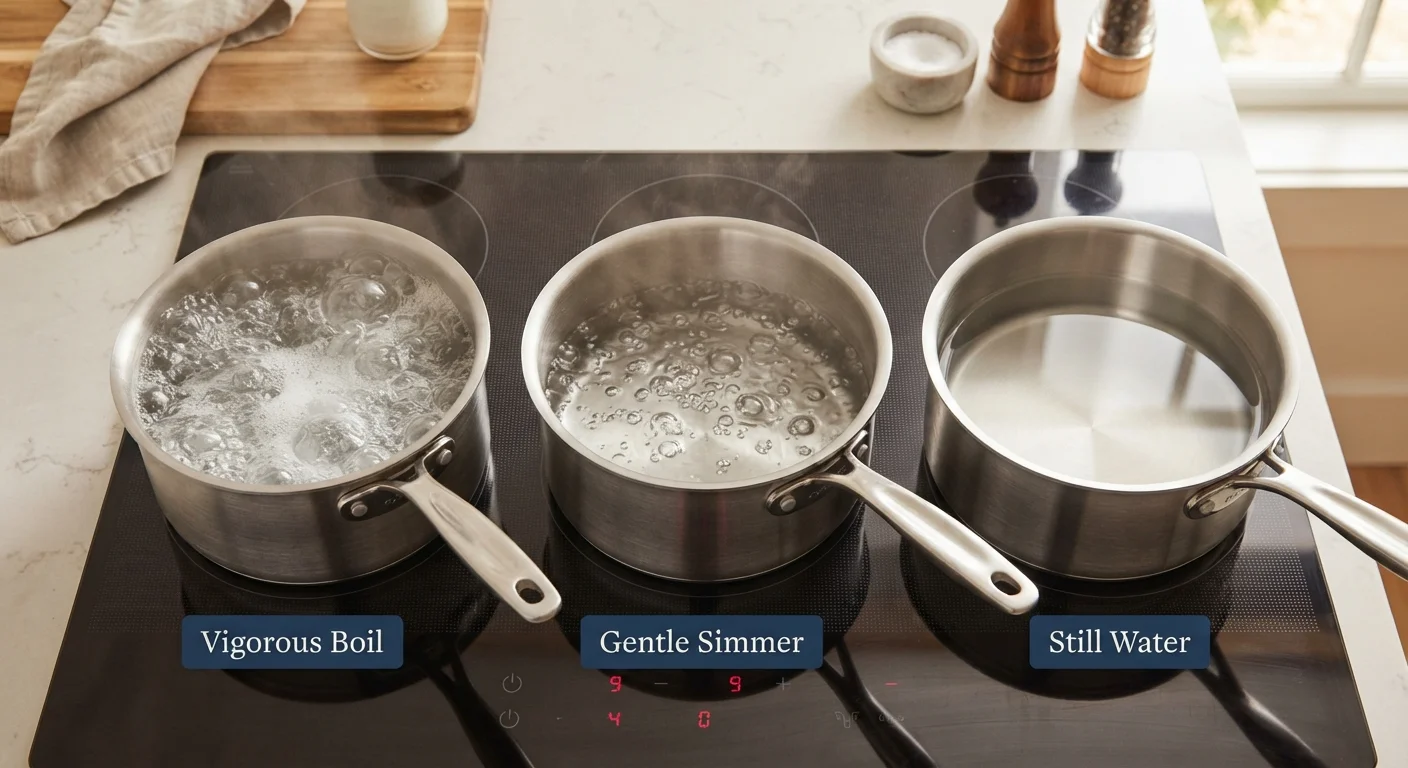
Baking powder loses potency over time, especially if stored in a humid environment. A simple test: stir 1 teaspoon into ½ cup of hot water. If it bubbles vigorously, it's still active. Baking soda can be tested the same way using vinegar instead of water. Most sources suggest replacing opened baking powder every 6–12 months for reliable results.