Passports, Visas, and Entry Requirements
Your passport is the single most important document you'll carry abroad — guard it like gold. If you don't have one yet, apply through your country's official passport agency as early as possible, ideally at least six months before your trip. Processing times fluctuate, and you don't want a bureaucratic delay standing between you and your adventure.
Once your passport is sorted, check whether your destination requires a visa. A visa is an official authorization that allows you to enter a specific country. Some nations grant visa-free access or issue visas on arrival; others require you to apply weeks in advance. Never assume — always confirm requirements through your government's official travel portal and the embassy of the country you're visiting. Entry rules can change without much notice.
Passport
An official government-issued document that proves your identity and citizenship, required for crossing international borders.
Visa
An official endorsement or permit that authorizes you to enter, stay in, or leave a specific foreign country for a defined period.
Foreign transaction fee
A small charge — typically 1–3% — that some banks and credit cards add when you make a purchase in a foreign currency.
Travel insurance
A policy that can reimburse you for unexpected costs like trip cancellations, medical emergencies, or lost luggage when traveling abroad.
Travel adapter
A small device that lets you plug your home electronics into the differently shaped or differently powered electrical outlets found in other countries.
For a thorough walkthrough of the full planning sequence, see our step-by-step international travel planning guide.
Money Matters: Currency, Cards, and Budgeting
Managing money abroad trips up more first-timers than almost anything else. Start by telling your bank and credit card company about your travel plans before you leave — this prevents your accounts from being flagged for suspicious foreign transactions and suddenly frozen.
Look for cards that don't charge foreign transaction fees, as these small percentages add up fast. Having some local currency on hand when you land is also a smart move for taxis, tips, and small shops that don't accept cards. Airport currency exchange booths are convenient but typically offer poor rates; ATMs connected to major international networks usually give better rates, though fees vary by bank.
Use ATMs Wisely Abroad
Whenever possible, use ATMs affiliated with major international banking networks rather than standalone kiosks in tourist areas. Always choose to be charged in the local currency rather than your home currency — a practice called Dynamic Currency Conversion (DCC) typically results in worse exchange rates when you choose your home currency.
Building a realistic travel budget before you leave prevents nasty surprises. Our complete beginner's budgeting guide can help you set spending limits that actually stick.
Packing Smart for Your First Trip Abroad
Overpacking is the hallmark of first-time international travelers — and it's a mistake almost everyone makes once. The general rule: lay out everything you think you need, then put half of it back. Versatile, layerable clothing beats specialty outfits every time.
- Carry-on essentials: Passport, visa documents, boarding passes, medication, a change of clothes, and any valuables — never in checked luggage.
- Adapters and electronics: Electrical outlets differ by country. Research the plug type and voltage for your destination and pack a universal travel adapter.
- Copies of everything: Photograph your passport, visa, travel insurance, and itinerary. Store copies in a secure cloud account and leave printed copies with someone at home.
Packing light gives you freedom — freedom to move quickly, take public transit easily, and avoid checked-bag fees.
Staying Safe and Healthy While Traveling
Health preparation is non-negotiable for international travel. Visit a travel medicine clinic or your healthcare provider at least four to six weeks before departure. They can advise on recommended vaccinations, medications for common travel illnesses, and any entry health requirements specific to your destination. This article provides general travel information only — always consult a qualified healthcare professional for personal health guidance before you travel.
Travel insurance is equally essential. A comprehensive policy covering medical emergencies, trip cancellations, and lost belongings can save you from significant financial stress. Read policy terms carefully so you know exactly what's covered.
For safety on the ground, share your detailed itinerary with a trusted person at home, keep emergency contact numbers saved offline, and stay aware of your surroundings. Our solo travel safety habits guide covers situational awareness skills that apply to all travelers, not just solo adventurers.
Don't Rely Solely on Digital Documents
While having digital copies of your passport and travel insurance is smart, never rely on your phone as your only backup. Battery life, theft, and spotty international data coverage can leave you stranded without access. Always carry at least one physical photocopy of your key documents stored separately from the originals.
Cultural Awareness: Respect Goes a Long Way
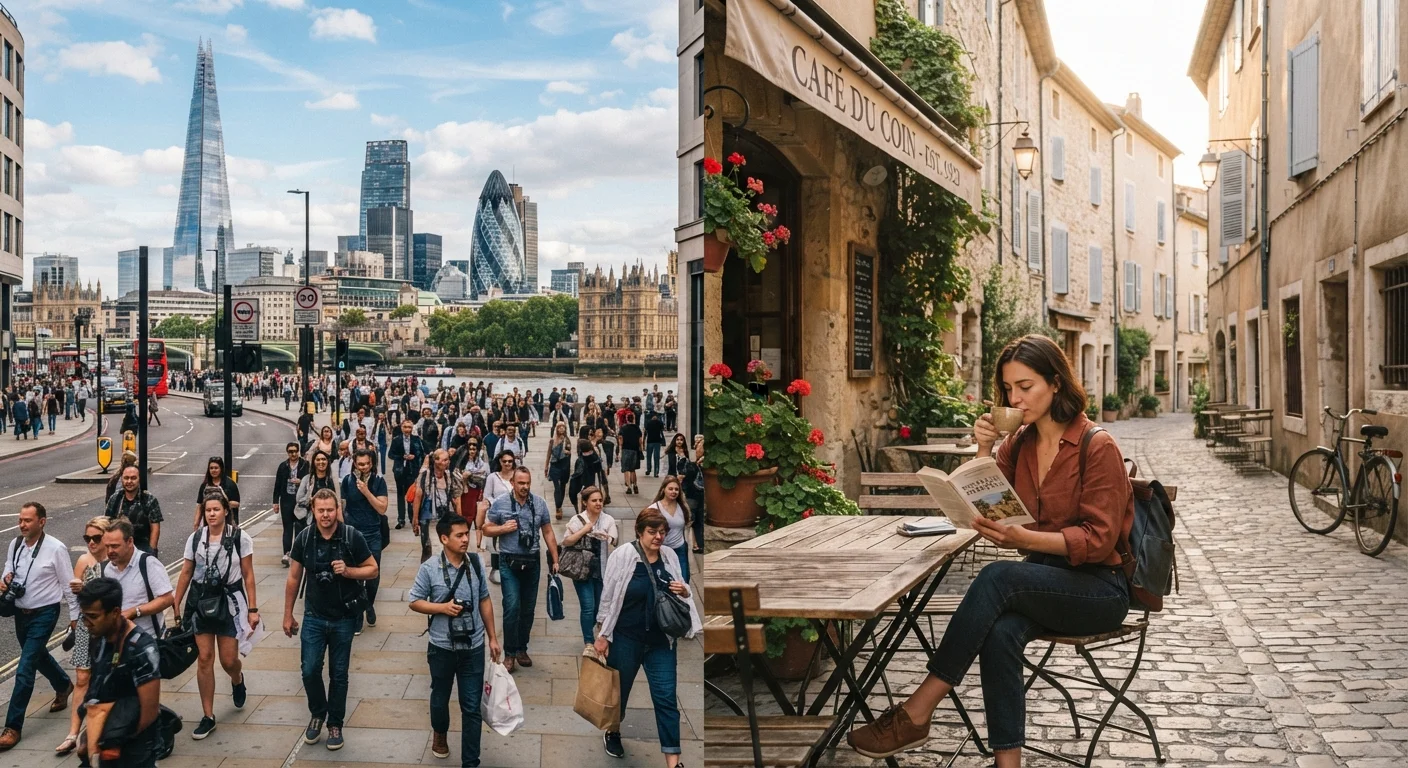
Arriving culturally informed is one of the most respectful — and practically useful — things you can do as a first-time international visitor. What's perfectly normal at home can be offensive, illegal, or simply confusing somewhere else. Dress codes at religious sites, tipping customs, greeting norms, and rules around photography all vary enormously by destination.
Before you land, research the basics: Are there specific dress requirements? Is it rude to point? How do locals greet one another? Even a little knowledge signals genuine respect and opens doors that staying oblivious would close. Our cultural preparation checklist gives you a practical framework for this research.
Explore destination guides for first-time visitors to get a head start on understanding the places you're dreaming about. The world is incredibly welcoming to travelers who show up curious and considerate — and that's absolutely within your reach.
Local Laws Apply to You Too
As a visitor, you are subject to the laws of the country you're in — not the laws of your home country. Some things legal at home may be prohibited abroad, including certain medications, clothing choices in sacred spaces, or photographing government buildings. Check your government's official travel advisory page for destination-specific legal notes before you go.