Why Cultural Prep Matters as Much as Packing
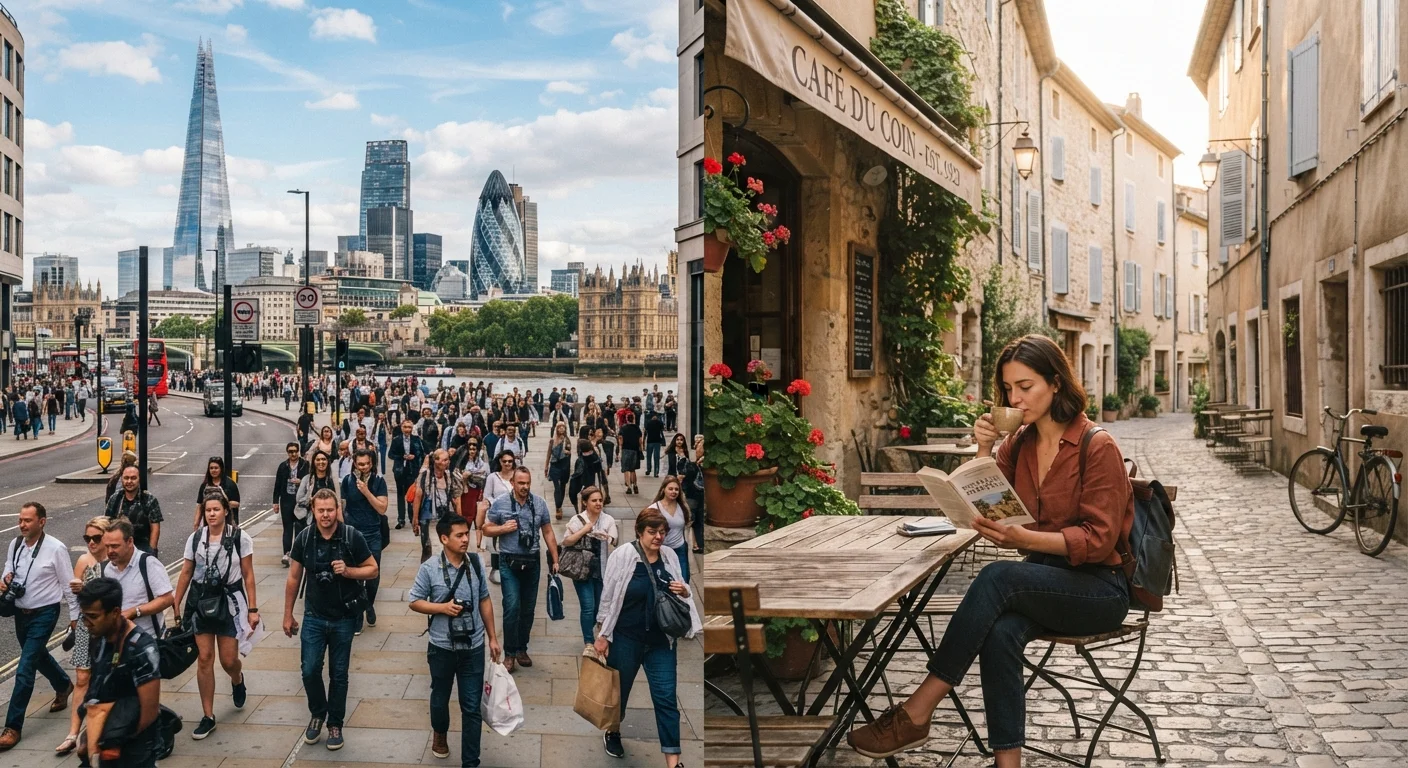
Most first-time international travelers spend hours curating the perfect packing list — and about fifteen minutes thinking about where they're actually going. Cultural missteps can range from mildly embarrassing (tipping in a no-tip country) to genuinely offensive (photographing sacred sites without permission) to legally consequential (unknowingly violating local laws). None of these are the memories you want to bring home.
The good news: a single focused session of cultural research — done well before you land — can prevent almost all of them. This checklist walks you through every category worth investigating, from greetings and dress norms to religious sensitivities and social taboos. Think of it as your pre-flight briefing for being a thoughtful, confident guest.
For destination-specific context once you've completed this checklist, explore our Destination Guides or dive into targeted primers like Tokyo for First-Time Visitors and Everything a First-Time Visitor Should Know Before Going to Iceland.
Don't Rely on Social Media Alone
Travel influencer content is entertaining but rarely covers cultural nuance in depth — and it can go out of date quickly. For etiquette and legal rules, always cross-check with official tourism board resources or government travel advisories. What's harmless in one region of a country may be offensive or illegal in another.
Your Complete Cultural Preparation Checklist
Work through each group below at least one week before departure. Use reputable sources: official tourism boards, government travel advisories, and well-regarded travel journalism. When in doubt, err on the side of respectful caution.
Greetings & Social Norms
Dress Codes & Appearance
Dining Etiquette
Religious & Sacred Sensitivities
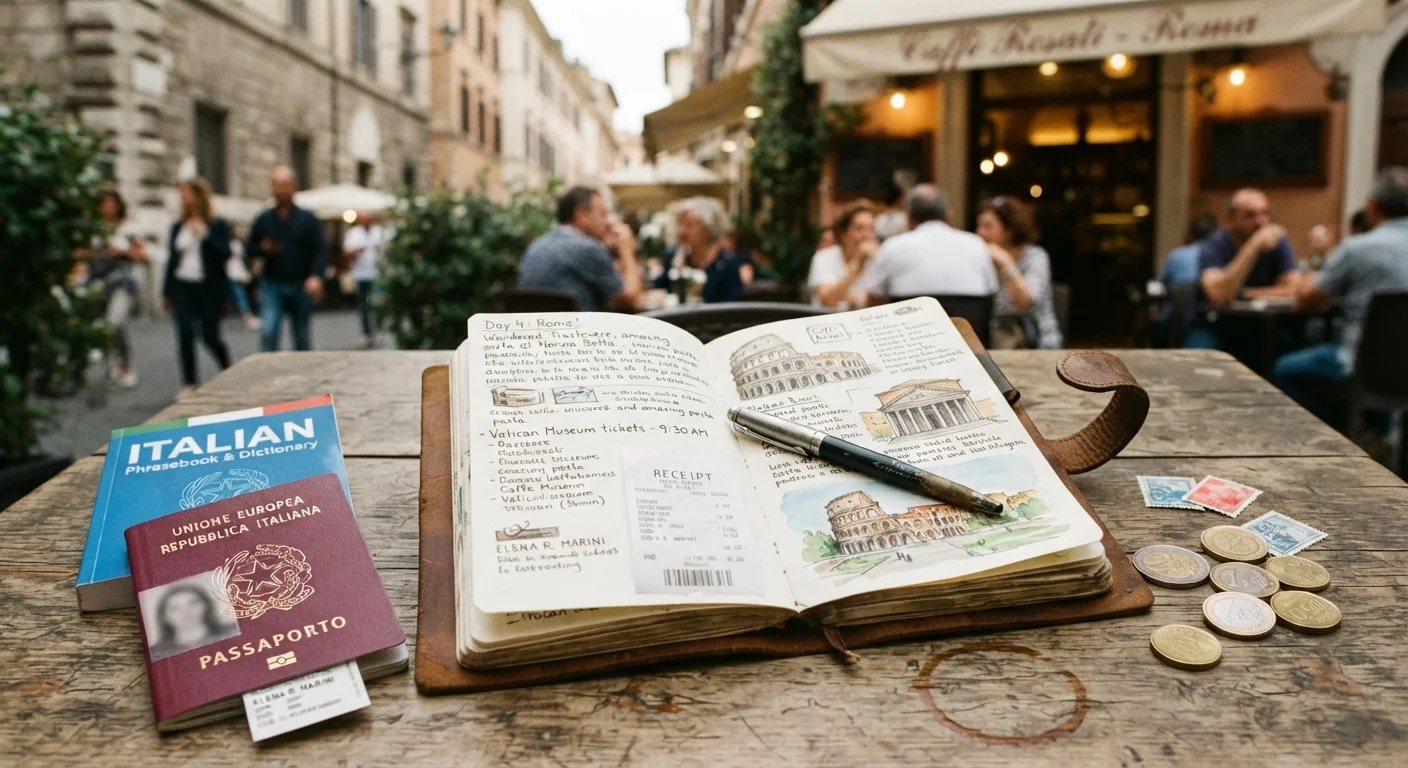
Language Essentials
Entry, Safety & Legal Requirements
For more practical trip-planning strategies once your cultural groundwork is done, visit our Travel Tips hub.
Verify Entry Rules Before Every Trip
Visa policies, vaccination requirements, and border rules change without much notice. Always confirm current entry requirements directly with the official embassy, consulate, or government immigration website of your destination — not third-party booking platforms or travel blogs. Do this within a few weeks of your departure date, not months in advance, to ensure the information is current.
How to Use What You've Learned
Completing this checklist isn't just about avoiding blunders — it's about arriving with genuine curiosity and respect already baked in. Locals notice when visitors make an effort, and that effort almost always opens doors. A correctly pronounced greeting, a covered shoulder at a temple, or a patient queue — these tiny gestures communicate that you see a place as more than a backdrop for selfies.
Bookmark reliable sources rather than relying on memory. A quick review the morning of a cultural site visit or formal meal is worth far more than cramming everything the night before you fly. And if you slip up? Apologize sincerely, learn, and move on — most people everywhere respond warmly to honest effort.
Need tools and resources to build your research session? See the list below.
Official Government Travel Advisory Site
Check current safety ratings, entry requirements, and legal warnings for your destination country.
Destination Country's Official Tourism Board Website
Find reliable, government-endorsed cultural guidelines, dress codes, and etiquette information.
Offline Translation App (e.g., Google Translate offline mode)
Communicate basic phrases and read signs without needing mobile data abroad.
Pocket Phrasebook or Language Learning App
Practice key greetings and polite phrases in the local language before departure.
Reputable Travel Guidebook (current edition)
Access in-depth cultural context, social norms, and regional etiquette written by destination specialists.