
Which Documents to Copy Before You Leave
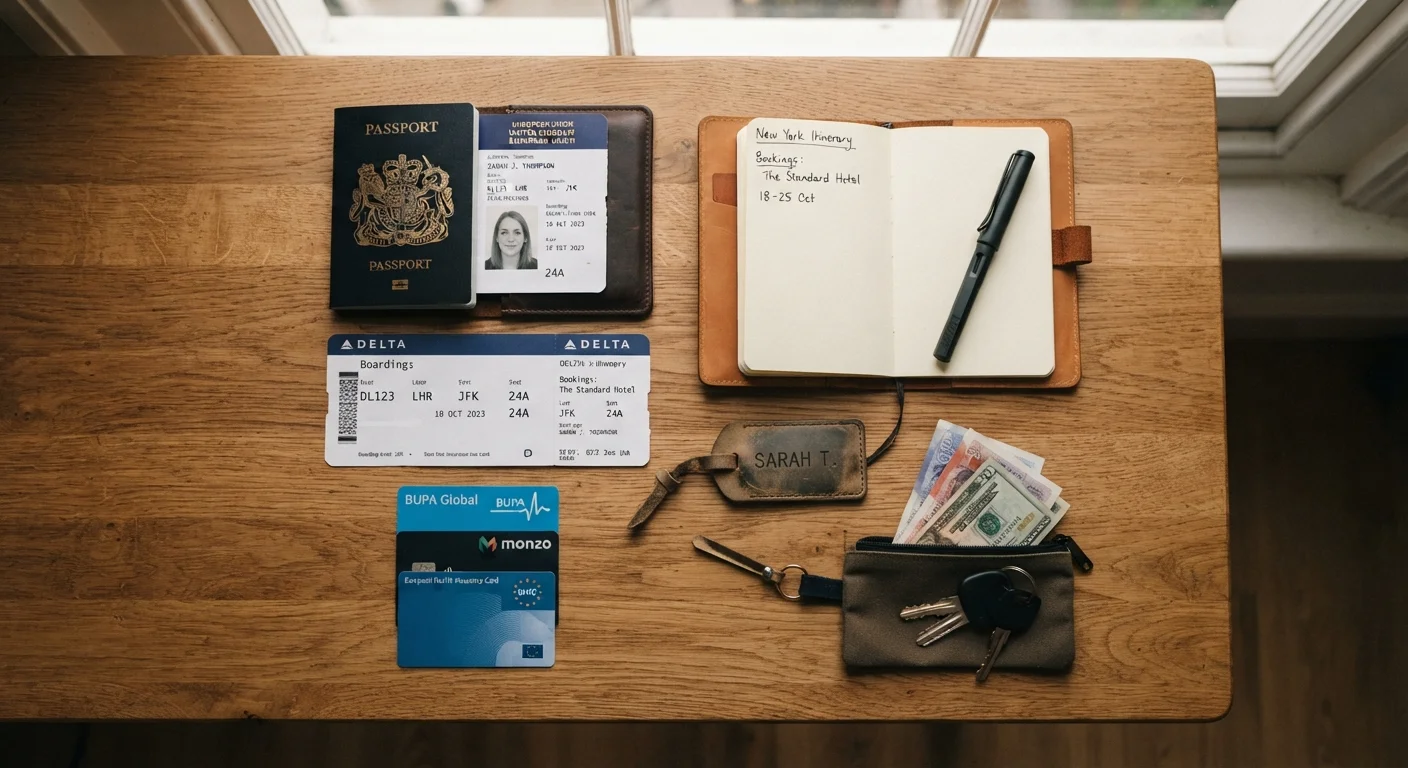
Most travellers pack their original documents without making a single backup — and then discover how costly that gap is the moment a wallet goes missing or a bag is stolen. Before any international trip, take copies of these core items:
- Passport (data page): The page showing your photo, name, passport number, and expiry date. This is the single most important copy to have.
- Visa(s): Any stamped or printed visa, including e-visa confirmation emails with authorization numbers.
- Flight itinerary and boarding passes: Confirmation numbers help airlines locate your booking even without a printed pass.
- Travel insurance policy: Include the emergency assistance phone number — it's often needed in a hurry.
- Accommodation confirmations: Hotel names, addresses, and booking reference numbers for each stop.
- Driver's license or ID: Required for car rentals and useful as secondary identification.
- Vaccination records or health documents: Some destinations require proof of specific vaccinations at entry. Always verify current entry requirements with official government sources before you travel, as requirements can change.
- Emergency contacts list: Include your country's embassy or consulate number in each destination.
For a broader pre-departure checklist, see Your First International Trip: Everything You Need to Know Before You Go, which walks through passports, visas, and money basics in one place.
Where to Keep Your Copies — Digital and Physical
The golden rule is the 3-location method: keep one copy on your phone, one in secure cloud storage, and one physical copy stored separately from your originals. Here's how each layer works:
Digital Copies
- Encrypted cloud storage: Upload scans or clear photos to a password-protected cloud account (such as a personal email folder or a cloud drive with two-factor authentication enabled). This is accessible from any device worldwide if yours is lost or stolen.
- Offline phone storage: Keep a copy in a dedicated, locked folder on your phone as a backup for situations without internet access. Make sure your device itself is secured — keeping your devices secure is just as important as what's on them.
- Email yourself the documents: A simple, accessible fallback — search your inbox from any browser if everything else fails.
Physical Copies
- Travel wallet or money belt: Carry one set of photocopies here, kept separate from your actual passport.
- Packed into checked luggage: A second physical set in your suitcase means you still have access if your carry-on is lost.
- Left with a trusted contact at home: Give a family member or friend a full copy set. They can read you key numbers over the phone in an emergency.
Always Verify Entry Requirements Officially
Visa rules, vaccination requirements, and entry conditions can change without much notice. Before travel, check your own government's official travel advisory pages and the destination country's immigration authority website. Do not rely solely on third-party travel sites for these details.
Travelling light? Living out of a carry-on becomes much smoother when your document copies are digital — freeing up physical space while keeping you covered. For money-related documents, also see Keeping Your Money Safe While Travelling for guidance on protecting cards and cash abroad.