Cards Abroad: What to Bring and How to Use Them
Cards are the backbone of travel spending for most visitors — they're safer than carrying large amounts of cash and widely accepted in cities worldwide. But not all cards behave equally overseas.
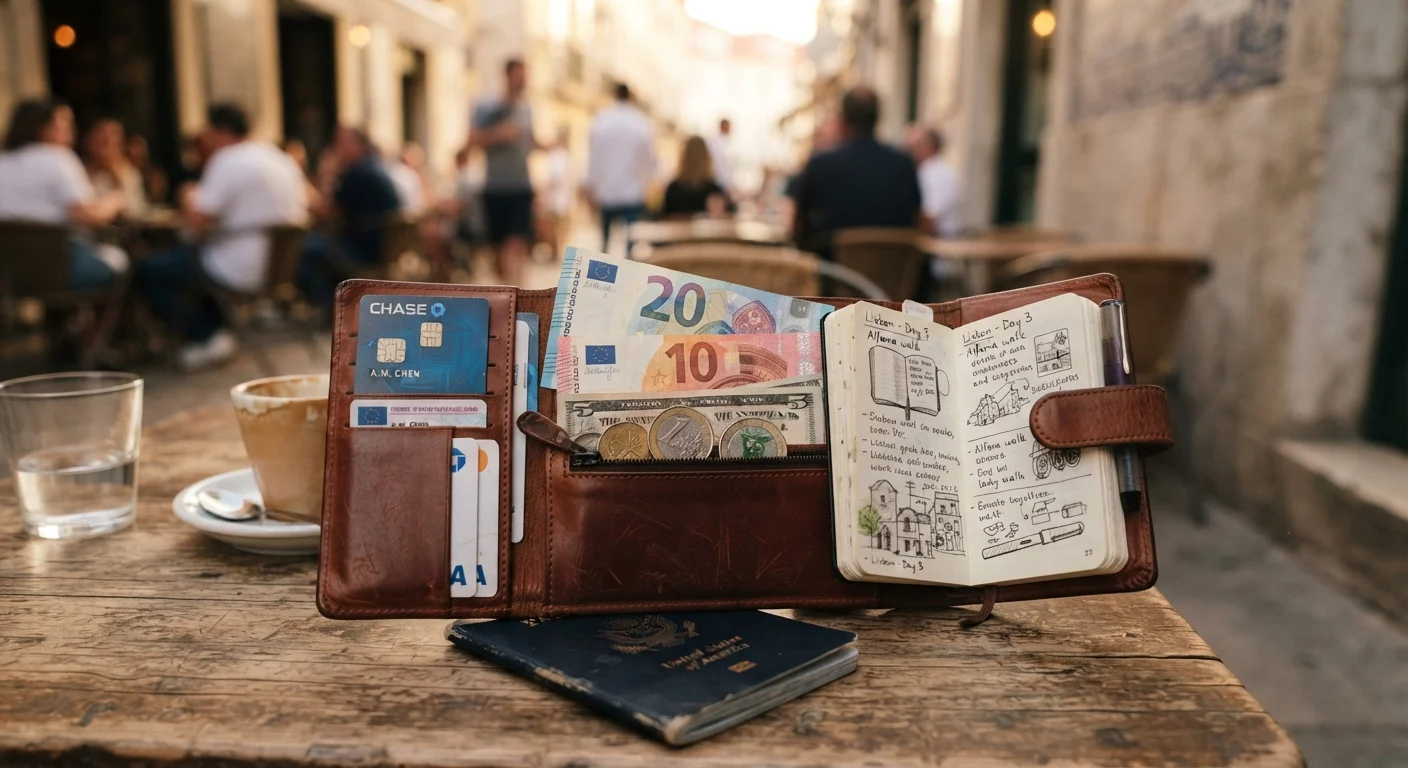
Bring at least two cards from different networks (Visa and Mastercard, for instance) stored separately. If one is lost, cloned, or blocked, you have an immediate backup. A credit card with no foreign transaction fees is ideal for purchases; a debit card linked to a checking account handles ATM withdrawals. For a deeper look at how credit cards work day-to-day, see the pros and cons of using a credit card as your main spending tool.
When a card terminal asks whether you'd like to pay in your home currency rather than the local one, always choose local currency. That offer — called Dynamic Currency Conversion — sounds convenient but typically applies a 3–5% markup over the rate your bank would give you. It benefits the merchant, not you.
Check Foreign Transaction Fees Before You Go
Many standard credit and debit cards charge a foreign transaction fee of 1–3% on every purchase made abroad. Before your trip, call your bank or check your card's terms to understand exactly what fees apply. Some cards marketed specifically for travellers waive these fees entirely — worth knowing before you pack.
Cash Still Has Its Place
Even in card-friendly countries, cash remains essential: small guesthouses, market stalls, tuk-tuks, tips, and rural areas often run cash-only. Arriving with zero local currency is a common beginner mistake that leads to panic-withdrawals at airport exchange booths — often the worst rates in any country.
Before departure, exchange a modest starter amount through your bank at home (rates are generally better than airport kiosks). Once you land, withdraw larger sums from bank-affiliated ATMs inside secure locations — inside a bank lobby, a major hotel, or a shopping center — rather than standalone machines on quiet streets. Standalone ATMs are more vulnerable to card-skimming devices, which criminals attach to card readers to steal your data silently.
For broader trip planning context — including budgeting and documentation — our guide on your first international trip covers the full picture for first-timers.
Recognising Common Tourist-Targeted Scams
Financial scams targeting tourists follow predictable patterns. Knowing them in advance takes away most of their power.
- Fake money changers: Unlicensed street changers offer attractive rates, then use sleight-of-hand to shortchange you or hand back counterfeit notes. Exchange money only at licensed bureaux de change or banks.
- The "broken" taxi meter: A driver claims the meter is broken and quotes a flat rate — usually wildly inflated. Agree on the fare before entering, or use a rideshare app with upfront pricing.
- Friendship bracelets and guilt gifts: A stranger places an item in your hands — a bracelet, a sprig of rosemary — then demands payment. You don't owe anything for unsolicited gifts; return the item and walk away calmly.
- ATM helpers: A helpful stranger offers to assist with the machine, then watches you enter your PIN. Use ATMs in private and shield the keypad with your hand regardless of who's nearby.
- Restaurant menu switching: A menu with reasonable prices is replaced by a different one when the bill arrives. Always confirm prices in writing before ordering in unfamiliar establishments.
The Two-Wallet Trick Works
Many experienced travellers carry a decoy wallet with a small amount of local cash and an expired card. If you're pickpocketed or pressured in an unsafe situation, you hand over the decoy and your real cards stay hidden. It sounds dramatic until the day it matters.
Staying alert to your surroundings matters just as much as knowing the scams themselves. Our companion guide on solo travel safety habits covers situational awareness in depth.
Quick Wins: Things You Can Do Right Now
You don't need to overhaul your travel style to significantly reduce financial risk. A handful of small actions before departure make an outsized difference once you're on the ground.
It's also worth keeping digital backups of your key financial documents — card numbers, bank contact lines, and travel insurance policy details. Our article on documents every traveller should copy before departure explains exactly what to store and where. And if you haven't yet sorted travel insurance that covers card fraud or emergency cash assistance, travel insurance explained is a good next read.
71%
Tourists who experience financial fraud abroad
According to a 2023 Global Anti-Scam Alliance report, roughly 71% of people surveyed had encountered an attempted scam or fraud while travelling internationally.
3–5%
Typical Dynamic Currency Conversion markup
Consumer advocacy organizations commonly cite a 3–5% markup when merchants apply Dynamic Currency Conversion at point-of-sale terminals versus your bank's exchange rate.