
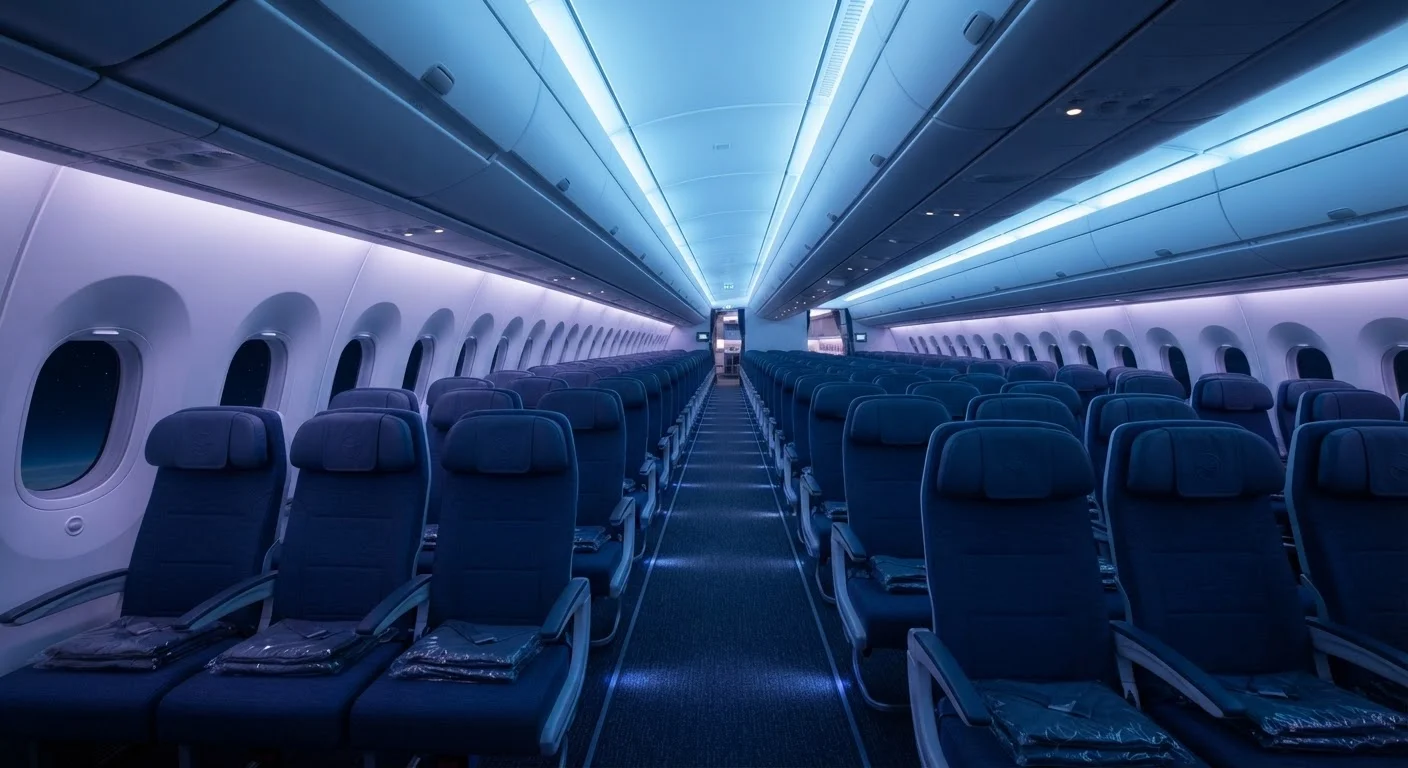
Why Long-Haul Flights Are Different
A two-hour domestic hop is forgiving. A fourteen-hour overnight flight to another continent is a genuinely different physical experience — and treating it that way is the first step to arriving in decent shape. Cabin pressure, recycled air, prolonged immobility, and time-zone crossing all work together to stress the body in ways most first-time long-haul travelers don't anticipate.
The good news is that most of these challenges are manageable with simple, low-cost preparation. You don't need a fancy wellness regimen — just a handful of habits worth building before and during the flight. The tips below cover the most common issues, explained plainly for anyone who's never thought much about this before.
This article is for general informational purposes only and is not medical advice. If you have a health condition that may affect your ability to fly safely — including cardiovascular, respiratory, or circulatory concerns — consult a qualified healthcare professional before traveling.
Check Entry Requirements Well Before You Fly
Health and wellness prep is only part of the pre-departure picture. If your long-haul destination has specific entry requirements — visas, vaccination records, or customs rules — verify them with official government sources well in advance. For a detailed example of what this looks like in practice, see our pre-departure guide for Dubai.
What to Do Before, During, and After Your Flight
These seven strategies address the most common long-haul health concerns, from skin and hydration to circulation and sleep. None of them require special products — just a little awareness and some advance planning.
Drink water consistently — not just when you feel thirsty
Cabin air humidity is typically kept below 20%, far lower than the 40–60% most people are accustomed to at home. That dry air pulls moisture from your skin, eyes, and respiratory tract without you necessarily noticing. Thirst is a lagging indicator — by the time you feel it, you're already mildly dehydrated.
A practical habit: aim to drink water regularly throughout the flight rather than waiting for thirst to prompt you. Bringing a refillable bottle through security and asking flight attendants to refill it makes this easy. Limiting alcohol and caffeine — both of which can accelerate fluid loss — is a simple supporting measure worth considering.
Cabin humidity can be lower than a desert; proactive sipping beats waiting to feel thirsty.
Move your legs — even small movements matter
Sitting in a cramped seat for eight or more hours slows circulation in the legs. Medical and aviation health organizations generally advise against prolonged immobility during long flights, and suggest that periodic movement — whether walking the aisle or simple in-seat exercises — helps keep blood flowing normally.
In-seat options include ankle circles, heel raises, and periodically pressing your feet flat against the floor. Getting up for a short walk every hour or two is even better when the seatbelt sign allows. These aren't dramatic interventions — they're small, consistent habits that add up over a long flight.
Simple ankle circles and short aisle walks keep circulation healthier than sitting totally still.
Consider compression socks for the journey
Compression socks — snug-fitting hosiery that applies gentle graduated pressure from ankle to calf — are widely recommended by travel health practitioners as a low-effort tool for supporting leg circulation on long flights. They're particularly discussed in the context of reducing swelling and discomfort in the lower legs.
You don't need a prescription to purchase a standard travel compression sock; they're available at most pharmacies. That said, if you have an existing circulatory condition or diabetes, speak with a healthcare provider before using them, as fit and compression level can matter in those cases.
Travel compression socks are a simple, widely endorsed tool for reducing leg swelling mid-flight.
Protect your skin and eyes from dry cabin air
That same low-humidity environment that dehydrates your body does a number on exposed skin, lips, and eyes. Arriving after a transatlantic flight with cracked lips, itchy skin, and gritty eyes is a completely avoidable outcome.
A small pouch with a basic moisturizer, lip balm, and — if you wear contacts — lubricating eye drops or a pair of glasses for the flight, handles this entirely. Apply moisturizer shortly after takeoff rather than waiting until you already feel dry. These are inexpensive, lightweight items that earn their place in any carry-on.
Applying moisturizer after takeoff — not when you already feel dry — keeps skin comfortable throughout.
Sleep strategically to ease time-zone adjustment
Whether you sleep on the plane or stay awake depends heavily on your direction of travel and your destination's local time. The general principle: try to sleep when it's nighttime at your destination, and stay awake when it's daytime there. This isn't always easy, but it primes your body for a faster adjustment on arrival.
An eye mask and earplugs or noise-canceling headphones are the two biggest practical supports for in-flight sleep. Neck pillows help some travelers; others find them cumbersome — try one before a long trip if you haven't before. Adjusting your sleep time by an hour or two in the days before departure can also smooth the transition.
Sleeping according to your destination's local time — not your home time — shortens jet lag recovery.
Be thoughtful about what and when you eat
In-flight meals are often timed to the airline's schedule rather than your body's. Eating large, heavy meals when your digestive system is already sluggish from immobility and cabin pressure can leave you feeling bloated and uncomfortable for hours.
Eating lightly, choosing simpler foods over rich or gas-producing options (think beans, carbonated drinks, or heavily fried food), and eating only when you're genuinely hungry rather than out of boredom are habits that tend to make the middle section of a long flight noticeably more comfortable. Packing a small, familiar snack also means you have a reliable option if the meal timing doesn't suit you.
Eating lighter and skipping gas-producing foods makes a measurable difference in mid-flight comfort.
Dress in layers and prioritize comfort
Cabin temperature varies significantly across a long flight and between different sections of the plane. What feels comfortable at boarding might feel cold three hours in when the air conditioning kicks up, or stifling when you're trying to sleep under a thin airline blanket.
Wearing loose, breathable layers — and packing a light sweater or wrap in your personal item — gives you control that relying on airline blankets alone doesn't. Tight waistbands and restrictive clothing also become noticeably uncomfortable over many hours; comfort-focused clothing pays off far more on a fourteen-hour flight than on a short hop.
Loose layers you can add or remove give you far more control than relying on a single airline blanket.
When to Talk to a Doctor Before Flying
Most healthy adults can manage long-haul travel safely with the general habits described here. However, if you have a cardiovascular condition, deep-vein thrombosis history, recent surgery, respiratory illness, or are pregnant, the dynamics of long-haul flight may warrant specific medical guidance. Always consult a qualified healthcare professional before flying if you have a condition that could be affected by prolonged immobility, low cabin pressure, or altitude.
If you're headed somewhere with a significant time-zone difference, pairing these in-flight habits with a broader jet-lag strategy makes a real difference. See our evidence-based guide to managing jet lag for what the sleep science actually says about recovering faster.
Pack Smart, Arrive Better
Most of what you need to stay comfortable on a long flight fits neatly in your carry-on — think a refillable water bottle, compression socks, a basic moisturizer, and a small snack to keep blood sugar stable. None of these take up much space, and all of them earn their place. Our carry-on packing checklist walks through exactly what to bring and how to fit it within airline size restrictions.
Planning a longer trip with multiple climates? The principles in living out of a carry-on apply just as well to the wellness items you want within arm's reach mid-flight. A little forethought at home means a lot less discomfort at 35,000 feet.