
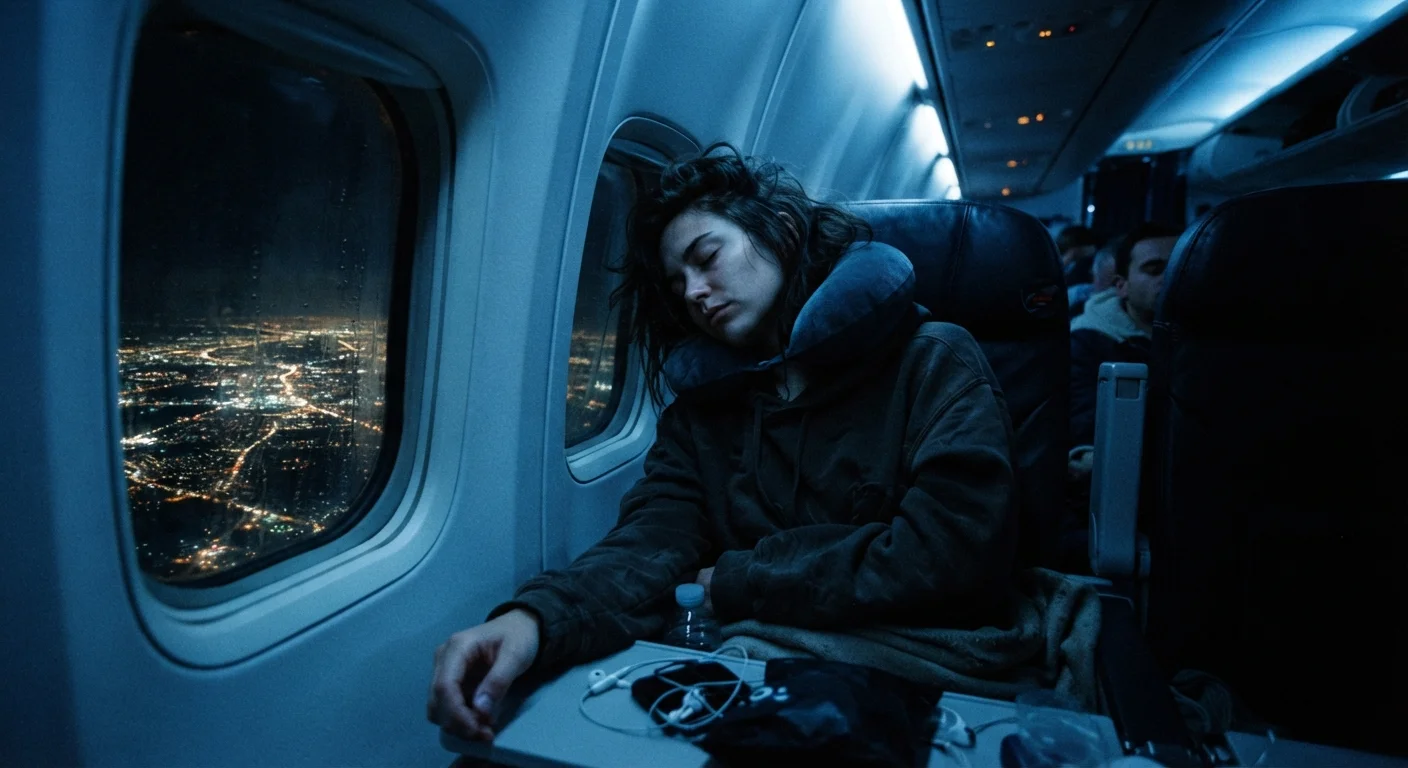
What Jet Lag Actually Is (And Why It Hits So Hard)
Jet lag isn't just tiredness from a long flight. It's a genuine disruption of your body's circadian rhythm — the roughly 24-hour internal clock that regulates when you sleep, when you feel alert, when you get hungry, and even when your digestion kicks in. Cross several time zones in a matter of hours, and that clock is suddenly out of step with your new environment.
Symptoms can include poor sleep, daytime drowsiness, difficulty concentrating, irritability, digestive upset, and a general sense of feeling "off." These aren't imagined — they reflect real hormonal and neurological processes playing catch-up. For context on what disrupted sleep does to the body more broadly, see The Role of Sleep in Physical Recovery.
Direction matters too. Traveling east (shortening the day) is typically harder for most people than heading west, because the human circadian rhythm naturally runs slightly longer than 24 hours — meaning it's easier to delay your sleep schedule than to advance it.
Myth
Drinking alcohol on the plane helps you sleep off the time difference.
Fact
Alcohol may help you fall asleep faster, but it significantly reduces sleep quality and can worsen dehydration and fatigue.
Alcohol suppresses REM sleep — the restorative stage your brain needs most. While it may feel relaxing in the moment, research consistently links alcohol consumption with more fragmented, lighter sleep. On a long-haul flight where quality rest matters, it's likely to leave you feeling worse on arrival, not better.
Myth
The best strategy is to stay up until local bedtime and power through.
Fact
"Pushing through" without any adjustment strategy can extend jet lag symptoms rather than speed up recovery.
Sheer willpower doesn't reset a circadian rhythm. While staying awake until local bedtime is a reasonable goal, doing it without supporting your body — through light exposure, hydration, and strategic movement — can lead to excessive fatigue and poor sleep quality when you do finally rest. A more gradual, supported approach tends to produce better outcomes.
Myth
Melatonin supplements will fix jet lag completely.
Fact
Melatonin may help signal to your body that it's time to sleep, but it's not a cure, and timing and dosage matter enormously.
Melatonin is a hormone naturally produced by your brain in response to darkness, and supplements are widely studied in the context of jet lag. Some research suggests small doses (0.5–3 mg) taken at the appropriate local bedtime may help shift the sleep cycle — but the effect varies between individuals. It is not a substitute for the full range of adjustment strategies, and you should speak with a healthcare professional before using it, particularly if you take other medications.
Myth
Jet lag affects everyone equally, regardless of direction of travel.
Fact
Eastward travel almost universally causes more severe jet lag than westward travel for most people.
The human body clock naturally drifts slightly longer than 24 hours, making it biologically easier to delay sleep (going to bed later, as you do after westward travel) than to advance it (going to bed earlier, as eastward travel requires). Travelers heading east — say, from the US to Europe — often find the adjustment noticeably harder. Planning extra recovery time for eastward journeys is a sensible, evidence-aligned approach.
Myth
You only get jet lag on very long flights.
Fact
Crossing as few as two or three time zones can produce noticeable jet lag symptoms in many people.
Flight duration alone doesn't determine jet lag — the number of time zones crossed does. A relatively short flight from the US East Coast to parts of South America may cause minimal disruption, while a flight of similar length crossing multiple zones heading east can leave travelers significantly impaired. The direction and degree of time-zone shift are the key factors.
Evidence-Based Strategies Worth Actually Trying
Sleep science has produced a clearer picture of what genuinely helps — and it's more straightforward than many travelers expect.
~1 day
Recovery time per time zone crossed
Sleep researchers often cite a rough guideline that the body typically needs about one day per time zone crossed to fully re-synchronize, though individual variation is significant.
65%
Travelers reporting jet lag symptoms
Survey data from aviation health researchers suggests the majority of long-haul travelers experience at least some jet lag symptoms after crossing five or more time zones.
- Light exposure: Sunlight is the most powerful cue your body uses to reset its clock. Seeking bright morning light on eastward trips and evening light on westward ones can accelerate your adjustment.
- Shifting your schedule before you leave: Gradually adjusting your bedtime by 30–60 minutes in the days before departure can give your body a head start.
- Meal timing: Eating meals at the local time of your destination — rather than your home schedule — may help signal your digestive clock to reset.
- Strategic napping: Short naps (under 30 minutes) can ease acute fatigue without significantly anchoring you to the wrong sleep schedule. Long naps tend to backfire.
Staying healthy on the plane itself also plays a role. Hydration, movement, and cabin-air awareness are worth thinking about before you board — see Staying Healthy on Long-Haul Flights for general information.
Melatonin and Medications: Ask First
Melatonin supplements and prescription sleep aids are sometimes considered by travelers managing severe jet lag. Neither should be taken without consulting a healthcare professional first — interactions with existing medications, underlying health conditions, and individual sensitivities can all affect safety and suitability. Do not self-prescribe based on general information alone.
If disrupted sleep is lingering well beyond your return home, your body may be signaling a broader need for rest. Signs That Your Body May Need More Rest offers useful guidance on reading those signals. And building a consistent evening routine before and after travel can also help — see Building a Wind-Down Routine That Actually Helps You Sleep.
This article is for general informational purposes only and is not medical advice. Consult a qualified healthcare professional before making decisions about supplements, medications, or sleep treatments.