What Credit Actually Is
Credit is simply an agreement: a lender — a bank, credit union, or credit card company — gives you access to money you don't currently have, and you agree to pay it back over time. When you use a credit card to buy groceries, the card issuer is temporarily paying on your behalf. You then repay the issuer, usually at the end of a billing cycle.
Credit shows up in everyday life in several forms: credit cards, personal loans, auto loans, student loans, and mortgages. All of them share the same basic structure — you receive something of value now and repay it later.
Credit
Borrowed money or purchasing power that you receive now and agree to repay later, typically with interest.
Interest
A fee charged by a lender for letting you use their money, usually expressed as an annual percentage of what you owe.
APR (Annual Percentage Rate)
The yearly cost of borrowing money, expressed as a percentage. A higher APR means borrowing costs you more.
Credit utilization
The percentage of your available credit limit that you're currently using. Using a smaller portion generally helps your credit score.
Hard inquiry
A check of your credit report by a lender when you apply for new credit. Too many in a short period can temporarily lower your score.
Secured credit card
A credit card that requires a cash deposit as collateral, making it easier to get approved when you have no credit history.
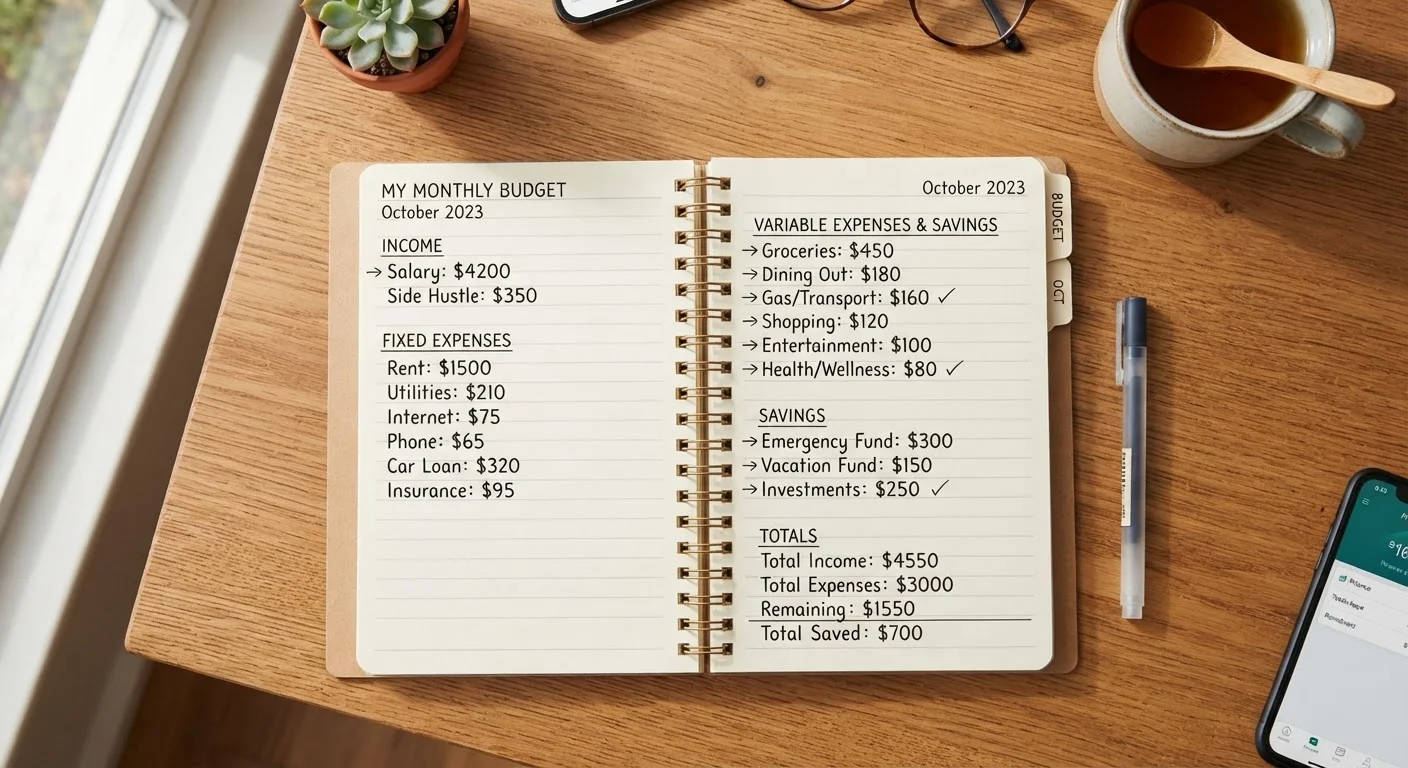
For a broader look at how credit fits alongside savings and debt, see Your Financial Starting Point. And if you haven't yet set up a budget, building one first will help you understand exactly how much you can afford to borrow.
How a Credit Score Works
A credit score is a three-digit number — in the U.S., typically between 300 and 850 — that summarizes how reliably you've repaid borrowed money in the past. Lenders use it to decide whether to approve you and at what interest rate.
Several factors shape your score. The most important is payment history: whether you pay on time. Next is credit utilization — how much of your available credit limit you're using at any given time. Lower utilization (generally below 30%) signals responsible use. Other factors include the length of your credit history, the mix of account types you have, and how recently you've applied for new credit.
Start Small and Pay in Full
When you open your first credit account, treat it like a debit card — only charge what you can already afford to pay off. Paying your full balance each month means you build credit history without ever paying a dollar in interest. Small, consistent habits early on create a strong foundation.
Before diving deeper, be aware that many popular beliefs about credit scores are flat-out wrong. Our article on credit score myths walks through the most common ones.
The Real Cost of Borrowing
When a lender gives you credit, they almost always charge interest — a fee expressed as an annual percentage rate, or APR. If you carry a balance on a credit card from month to month instead of paying it in full, interest is added to what you owe. Over time, even a modest balance can grow significantly.
For example: if you carry a $500 balance at a 20% APR and only make minimum payments, you'll pay back considerably more than $500 by the time the balance is cleared — and it will take much longer than most people expect.
Minimum Payments Can Be Misleading
Credit card statements show a "minimum payment due" — but paying only that amount is one of the most expensive habits in personal finance. The rest of your balance continues to accrue interest every month. Unless a financial hardship makes it unavoidable, aim to pay your full statement balance by the due date.
Understanding terms like APR, minimum payment, and principal before you borrow makes a real difference. Our borrower's glossary covers the vocabulary you need.
Building Credit Responsibly from the Start
If you have no credit history, you're not behind — you simply haven't started yet. The most straightforward path is to open one account (a secured credit card or a credit-builder loan are common options), use it for small, planned purchases, and pay the full balance every month.
This approach does two things simultaneously: it establishes a payment history and keeps your interest costs at zero, since paying in full each cycle means no interest is charged.
A few habits that support healthy credit from day one:
- Pay on time, every time — even the minimum if a full payment isn't possible.
- Keep your balance well below your credit limit.
- Avoid applying for multiple accounts at once, which generates multiple hard inquiries.
- Check your credit report periodically for errors. In the U.S., you're entitled to free reports from the three major bureaus through AnnualCreditReport.com.
Credit and money habits reinforce each other. Exploring the money mindset hub can help you build the broader financial thinking that makes responsible credit use feel natural rather than stressful.
This article is for general informational and educational purposes only and does not constitute personalised financial or legal advice. Consider consulting a qualified financial professional for guidance specific to your situation.