Where the 'Good Debt vs. Bad Debt' Idea Comes From
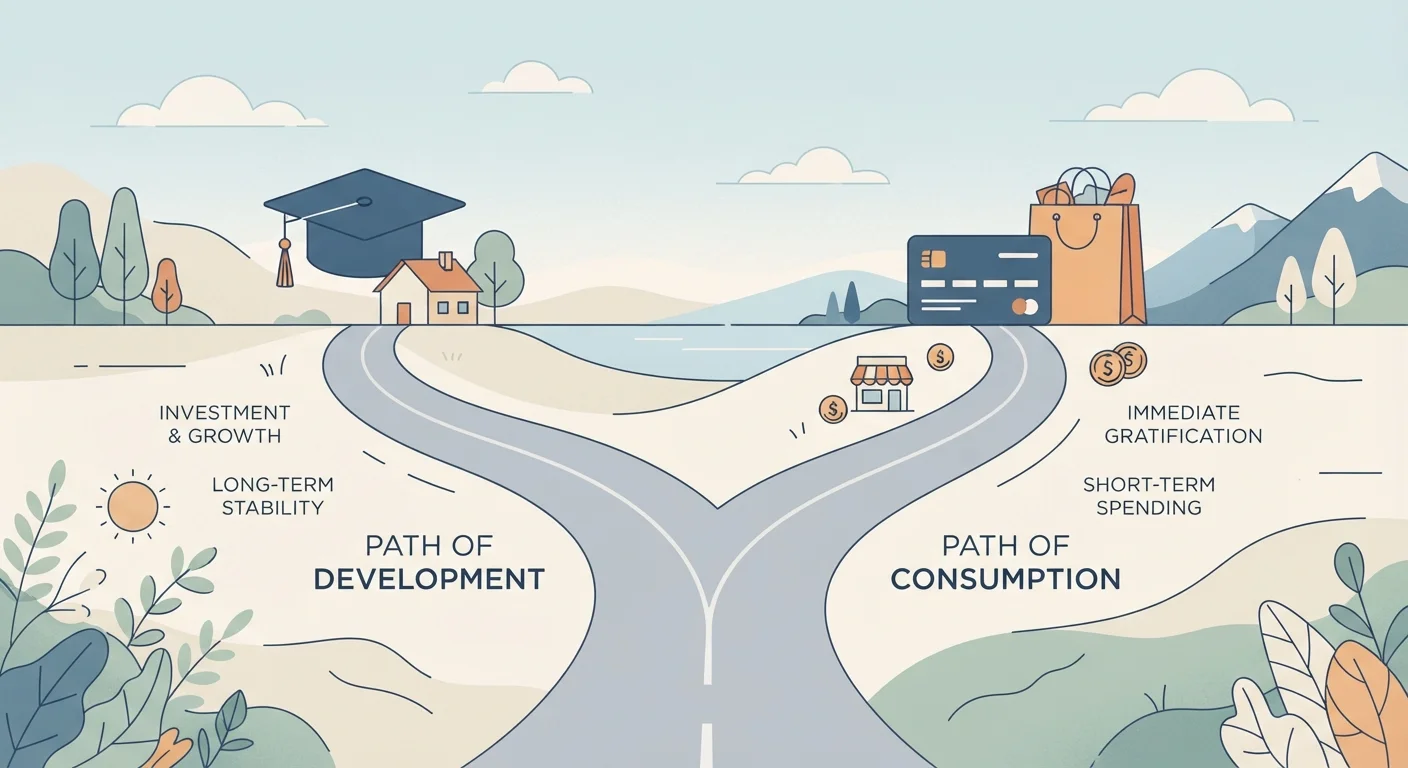
You've probably heard a financial tip that goes something like this: a mortgage is good debt, credit card debt is bad debt. The idea is simple — some borrowing builds wealth or future earning power, while other borrowing just costs you money for things that lose value quickly.
On the surface, that distinction is useful. It gives beginners a mental shortcut. But like most shortcuts, it leaves out a lot. The real question isn't just what you borrowed for — it's how much it costs you, whether you can realistically repay it, and what your alternatives were. Before going further, it helps to understand the fundamentals — our beginner's guide to credit is a solid place to start.
Myth
Mortgages are always 'good debt' because real estate always goes up in value.
Fact
Property values can and do fall, and a mortgage you can't afford is harmful regardless of the asset type.
Home ownership can build long-term equity, but property markets are not guaranteed to rise. If you borrow more than you can comfortably repay — or buy at a market peak — a mortgage can become financially damaging. The loan structure, interest rate, and your personal income stability matter far more than the label 'good debt.'
Myth
Student loans are always a smart investment because education increases your earning potential.
Fact
Student loan debt can become a serious burden if the degree doesn't lead to income that supports repayment.
Education generally correlates with higher lifetime earnings, but outcomes vary widely by field, institution, and individual circumstances. Borrowing a large amount for a credential with limited job market demand can leave graduates with payments they struggle to meet. The investment logic only holds when expected income reasonably exceeds the cost of the loan — and that calculation isn't automatic.
Myth
Credit card debt is always 'bad' and should never be used.
Fact
Credit cards are a tool; the harm comes from carrying a high-interest balance, not from using the card itself.
Paying a credit card balance in full each month costs you nothing in interest and can even help build your credit history. The problem arises when balances are carried month to month, because credit card interest rates are typically among the highest of any common debt type. Used responsibly, a credit card is neither good nor bad — it's a financial tool with real consequences if mismanaged.
Myth
As long as debt is called 'good,' you don't need to worry about how much you take on.
Fact
Even low-interest, asset-backed debt becomes risky when the total amount borrowed exceeds what your income can support.
Debt-to-income ratio — the share of your monthly income that goes toward debt payments — is one of the most important measures of financial health. Stacking up 'good debt' in mortgages, auto loans, and student loans can still leave you financially vulnerable if the combined payments leave little room for savings or emergencies. Amount and affordability matter as much as category. It's also worth noting that comparing your debt load to others' rarely gives you an accurate picture of your own situation.
What Actually Makes Debt Harmful or Manageable
Instead of sorting debt into two bins, it's more practical to ask a few direct questions about any money you borrow:
- What is the interest rate? A lower rate means less total cost over time. Key borrowing terms like APR explain exactly how lenders calculate what you owe.
- Does this debt have a fixed end date? Mortgages and auto loans have set repayment schedules. Revolving credit (like credit cards) can stretch indefinitely if you only make minimum payments.
- Is the underlying asset or outcome likely to hold value? A degree that leads to higher earnings is different from one that doesn't match the job market you're entering.
- Can you make payments if your income drops? Debt that strains you in stable times becomes a crisis in an emergency.
~20%
Typical annual credit card interest rate (APR) in the U.S.
The Federal Reserve has tracked average credit card rates; they have risen notably in recent years, making carried balances significantly more expensive over time.
43%
U.S. adults with some student loan debt
According to Federal Reserve data, a large share of Americans carry student loan balances — underscoring why the 'always good debt' label deserves scrutiny.
Once you've paid off high-interest debt or built a repayment plan, the avalanche and snowball methods offer two structured approaches worth understanding. And remember: how you handle debt is part of a bigger financial picture — see how savings, credit, and debt connect for context.
Minimum Payments Can Be Misleading
Making only the minimum payment on a high-interest balance means most of your payment goes toward interest, not the actual amount you owe. A balance that looks manageable month to month can take years to pay off and cost significantly more in total. Always check how long full repayment would take before deciding a balance is 'under control.'
This article is general financial information and education, not personalised financial advice. For guidance specific to your situation, consider speaking with a qualified financial professional.