What a Credit Score Actually Is
If you've ever applied for a loan, rented an apartment, or even set up a phone plan, someone has probably looked at your credit score. But what is it, exactly?
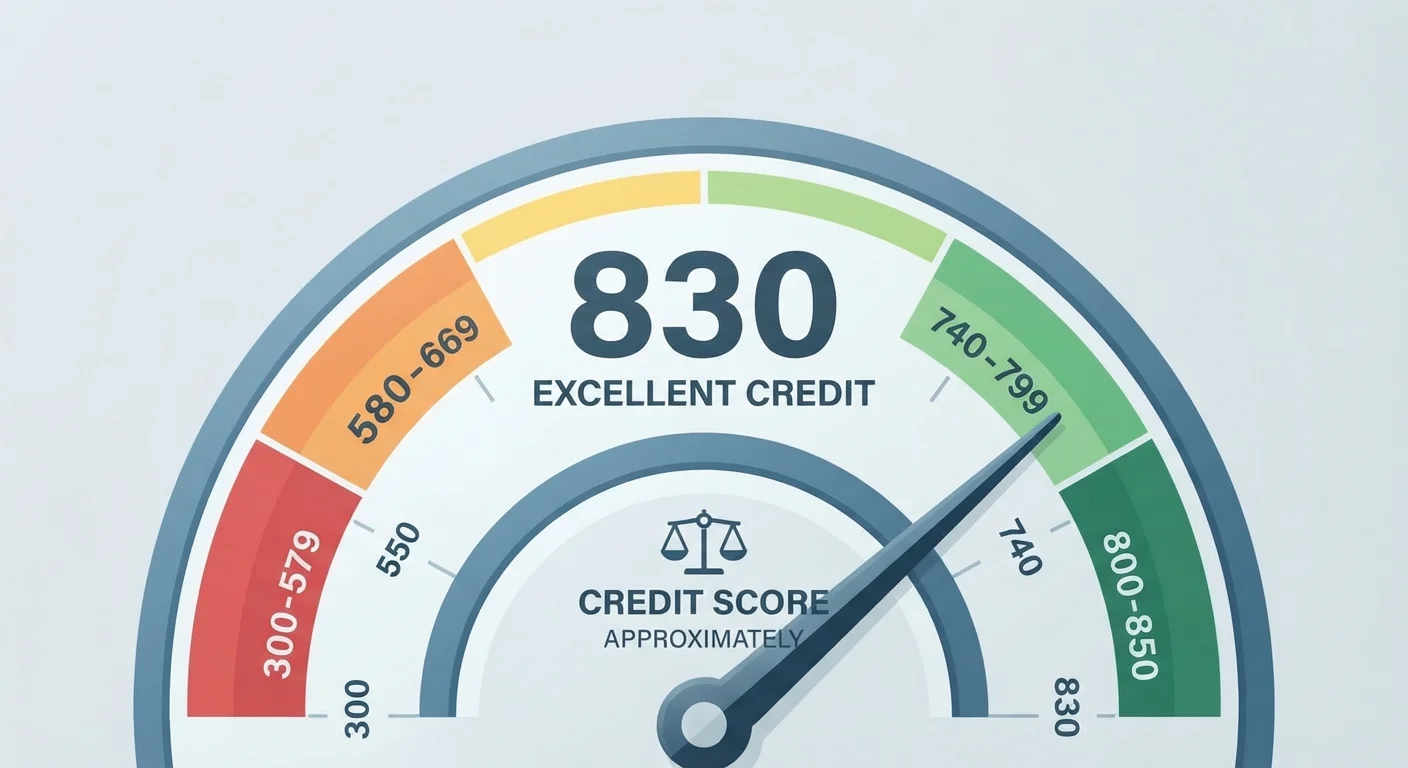
A credit score is a number calculated from your credit history — the record of how you've borrowed and repaid money over time. The number itself runs from 300 (the lowest) to 850 (the highest). It's produced by specialized companies called credit bureaus — the main three in the U.S. are Equifax, Experian, and TransUnion — using data that lenders and creditors report to them regularly.
The score's purpose is simple: it gives lenders a fast, standardized way to estimate the risk of lending you money. A high score suggests you've been reliably paying back what you owe. A low score suggests the opposite. If you're brand new to the topic, our beginner's guide to credit explains what credit itself is before you dive deeper.
How the Number Is Calculated
Your score isn't random — it's built from five specific categories of information. Each carries a different weight:
- Payment history (~35%): Have you paid your bills on time? This is the single biggest factor.
- Amounts owed (~30%): How much of your available credit are you currently using? Using a large portion — say, 80% of your credit card limit — can drag your score down.
- Length of credit history (~15%): How long have your accounts been open? Older accounts generally help.
- Credit mix (~10%): Do you have a variety of account types, such as a credit card and a car loan?
- New credit (~10%): Have you recently applied for several new accounts in a short span?
For a closer look at each of these factors and how much each one matters, see The Building Blocks of a Credit Score.
716
Average U.S. FICO Score
According to FICO's public data, the average American credit score has been in the 'good' range in recent years.
~26%
Americans with poor or no credit score
The Consumer Financial Protection Bureau (CFPB) has estimated that tens of millions of Americans are either credit invisible or have limited credit histories.
Why Lenders Care About Your Score
Lenders — banks, credit unions, mortgage companies — are in the business of lending money and getting it back with interest. Before approving a loan, they want to know: how likely is this person to repay?
Your credit score gives them a fast answer. A borrower with a score of 780 has a track record of responsible repayment. A borrower with a score of 540 may have missed payments or carried heavy debt — red flags for a lender.
The practical consequences are real. A higher score often means:
- A better chance of loan approval
- Lower interest rates (saving you money over the life of a loan)
- Higher credit limits
A lower score can mean the opposite — or being turned down outright. Some landlords and employers also check credit, though rules on this vary by state.
Common Misunderstandings — and What to Know Instead
Credit scores come with a lot of myths attached. Many people believe that checking your score hurts it, or that closing an old account is always the smart move. In reality, both of those assumptions are wrong — checking your own score has no negative effect, and closing old accounts can actually reduce the average age of your credit history.
For a full rundown of widely held beliefs that don't hold up, see Credit Score Myths That Catch People Off Guard.
The bigger picture is that your credit score is just one piece of your overall financial health. It connects directly to your saving habits and debt management. Your Financial Starting Point ties all these concepts together in one place if you want to see how they interact.
Check Your Credit Report for Free
Under federal law, you're entitled to a free credit report from each of the three major bureaus once per year through AnnualCreditReport.com — the official, government-mandated source. Reviewing your report regularly helps you spot errors that could be dragging your score down. Disputing mistakes is free and can make a meaningful difference.
This article is for general informational purposes only and does not constitute financial or legal advice. For guidance tailored to your personal situation, consult a qualified financial professional.