
What Frugality Actually Means
Frugality gets a bad reputation. For many people, the word conjures images of extreme couponing, never eating out, or refusing to turn on the heat. But in its most practical form, frugality simply means being deliberate about where money goes — spending less than you earn and avoiding waste on things you don't genuinely value.
That distinction matters. Frugality isn't the same as being cheap or denying yourself everything enjoyable. It's closer to a filtering process: you decide which expenses actually improve your life and cut the ones that don't. The challenge is that this filtering takes ongoing attention, and not every trade-off is easy or obvious.
This article walks through the real benefits and real costs of adopting a frugal lifestyle, so you can decide what level of frugality makes sense for your situation. For a broader look at the core habits behind saving money reliably, see saving money principles that hold up over time.
The Genuine Advantages
Frugality's benefits aren't abstract — they show up in real, measurable ways over time.
Builds a financial safety net over time
Consistently spending less than you earn creates room to save, which means you're better positioned to handle unexpected expenses without going into debt.
Reduces reliance on credit
When everyday expenses are kept low, there's less need to reach for a credit card to bridge gaps — which reduces interest costs and debt accumulation.
Gives you more control over your time
Needing less money can mean needing to work fewer hours or having more flexibility to change jobs, start a business, or take time off — what some people call financial freedom.
Lowers financial stress measurably
Having a financial cushion, even a modest one, is associated with lower reported stress. The American Psychological Association has consistently found money to be a leading source of stress for Americans.
Encourages more intentional spending
Frugality naturally pushes you to question whether a purchase actually improves your life, which tends to result in spending on things that matter more and wasting less.
57%
Americans unable to cover a $1,000 emergency
A 2024 Bankrate survey found that more than half of U.S. adults could not cover a $1,000 unexpected expense from savings alone — illustrating why building a cushion matters.
3–6 months
Recommended emergency fund coverage
Most personal finance educators suggest keeping three to six months of essential living expenses in a liquid savings account as a baseline buffer.
One of the less-discussed benefits is psychological. People who feel in control of their spending tend to report lower financial anxiety, even when their income hasn't changed. Cutting unnecessary expenses can reduce the mental burden of living paycheck to paycheck — and that shift in mindset often makes budgeting habits easier to maintain over time.
The Real Costs Worth Knowing
Frugality has a genuine upside, but it also asks something of you — and understanding those demands upfront helps you make a realistic plan rather than one that collapses after a few weeks.
Time cost is often underestimated
Finding cheaper alternatives, comparing prices, cooking from scratch, and maintaining things yourself all take time. For some people, that time has a real opportunity cost.
Can create social friction
Opting out of meals, trips, or gifts that feel financially out of reach can strain relationships, especially when those around you don't share the same financial priorities.
Risk of false economies
Buying the cheapest version of something that breaks quickly, or skipping maintenance to save money, can end up costing more in the long run.
Decision fatigue from constant trade-off thinking
Constantly evaluating every small purchase is mentally tiring. Over time, rigid frugality can feel exhausting rather than empowering.
May delay experiences with lasting value
Research in positive psychology suggests that spending on experiences — travel, learning, time with others — tends to produce more lasting wellbeing than buying things. Cutting all discretionary spending can inadvertently eliminate high-value experiences.
One thing frugality can't fully solve is the social pressure that comes with spending differently from the people around you. If your peer group regularly goes out for dinners, takes group holidays, or exchanges expensive gifts, spending less can feel isolating. Research in behavioral economics consistently shows that social comparison shapes financial behavior — which is worth examining honestly. Comparing your finances to others usually backfires, but that doesn't make the pressure disappear.
Frugality vs. Scarcity Mindset
There's an important psychological difference between choosing to spend less and feeling like you have no choice. Research by Sendhil Mullainathan and Eldar Shafir suggests that a perceived scarcity of resources can actually impair decision-making. Frugality works best when it's a deliberate choice made from a position of awareness — not a response to chronic financial fear. If financial stress feels overwhelming, it may be worth speaking with a nonprofit credit counselor rather than relying on willpower alone.
Finding the Level That Works for You
Frugality isn't all-or-nothing. Most people find a middle path — cutting spending in areas that don't matter much to them while preserving what genuinely adds to their quality of life. The goal is to avoid both extremes: spending without awareness on one end, and restricting so hard that life becomes joyless on the other.
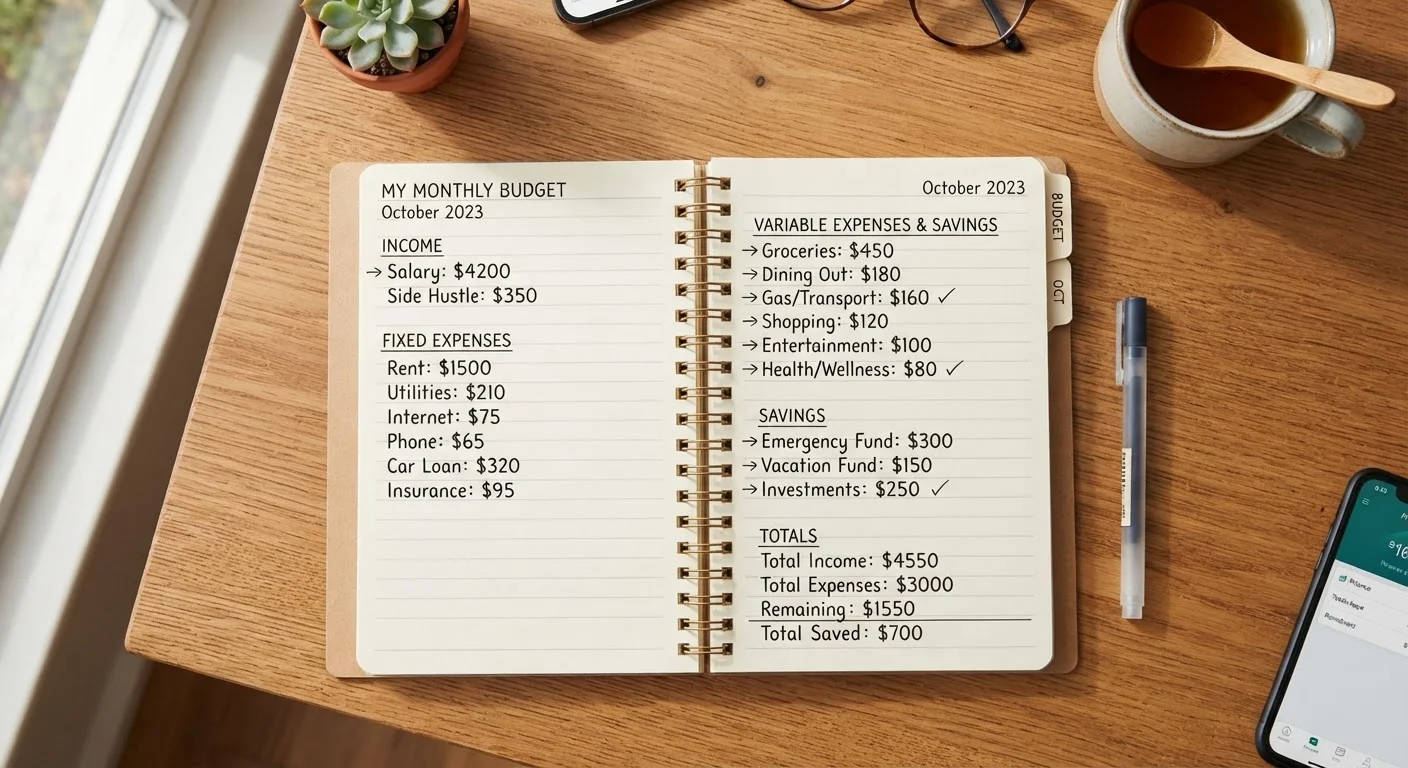
A good starting point is your budget. If you don't already have one, the Budgeting Basics hub has practical tools for building one. From there, it becomes easier to see where your money actually goes versus where you'd prefer it to go.
It's also worth remembering that frugality often gets easier with time. Early on, changing habits feels effortful. But as frugal choices become routine — cooking more at home, delaying non-urgent purchases, finding free or low-cost alternatives — the friction decreases and the financial benefits compound.
This article is for general informational and educational purposes only and does not constitute personalised financial advice. Consider speaking with a qualified financial professional about decisions specific to your circumstances.