What Do These Terms Actually Mean?
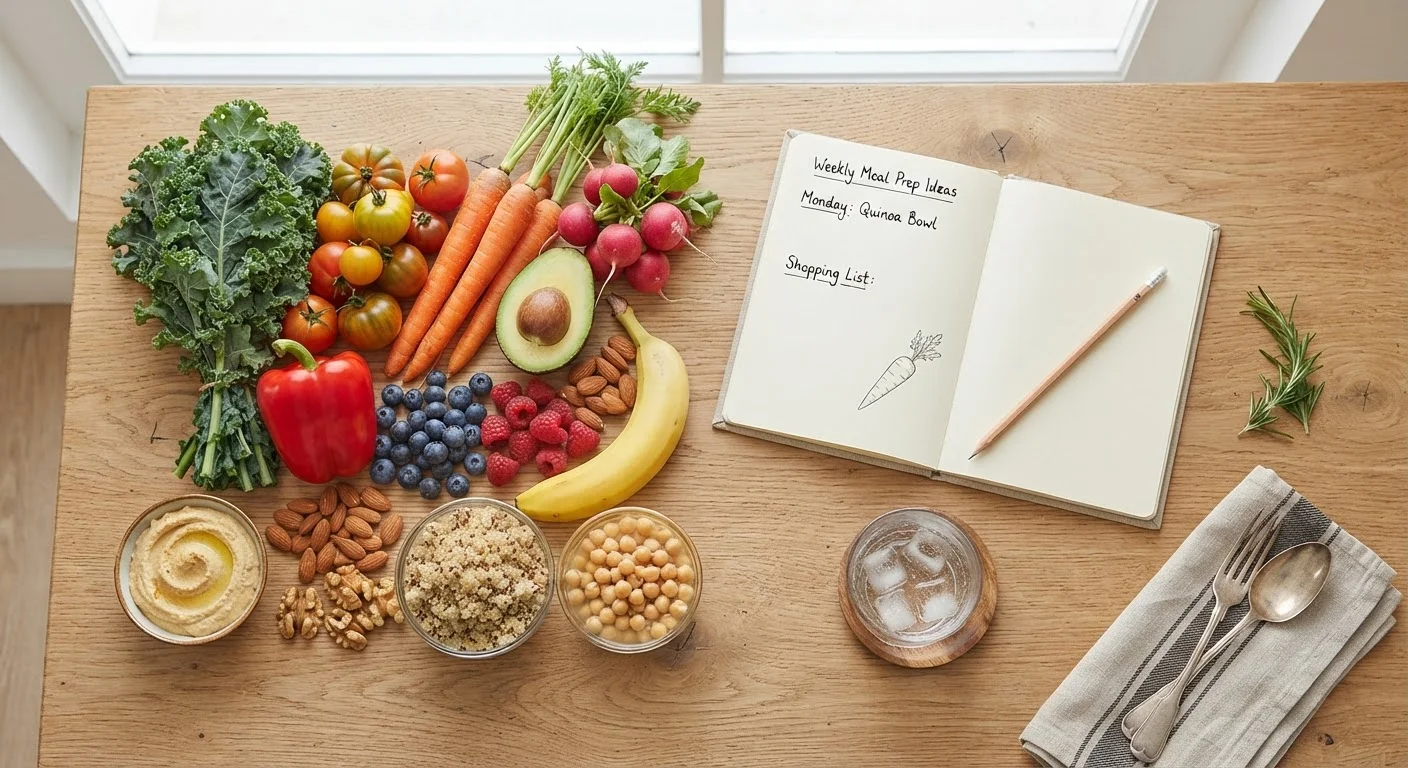
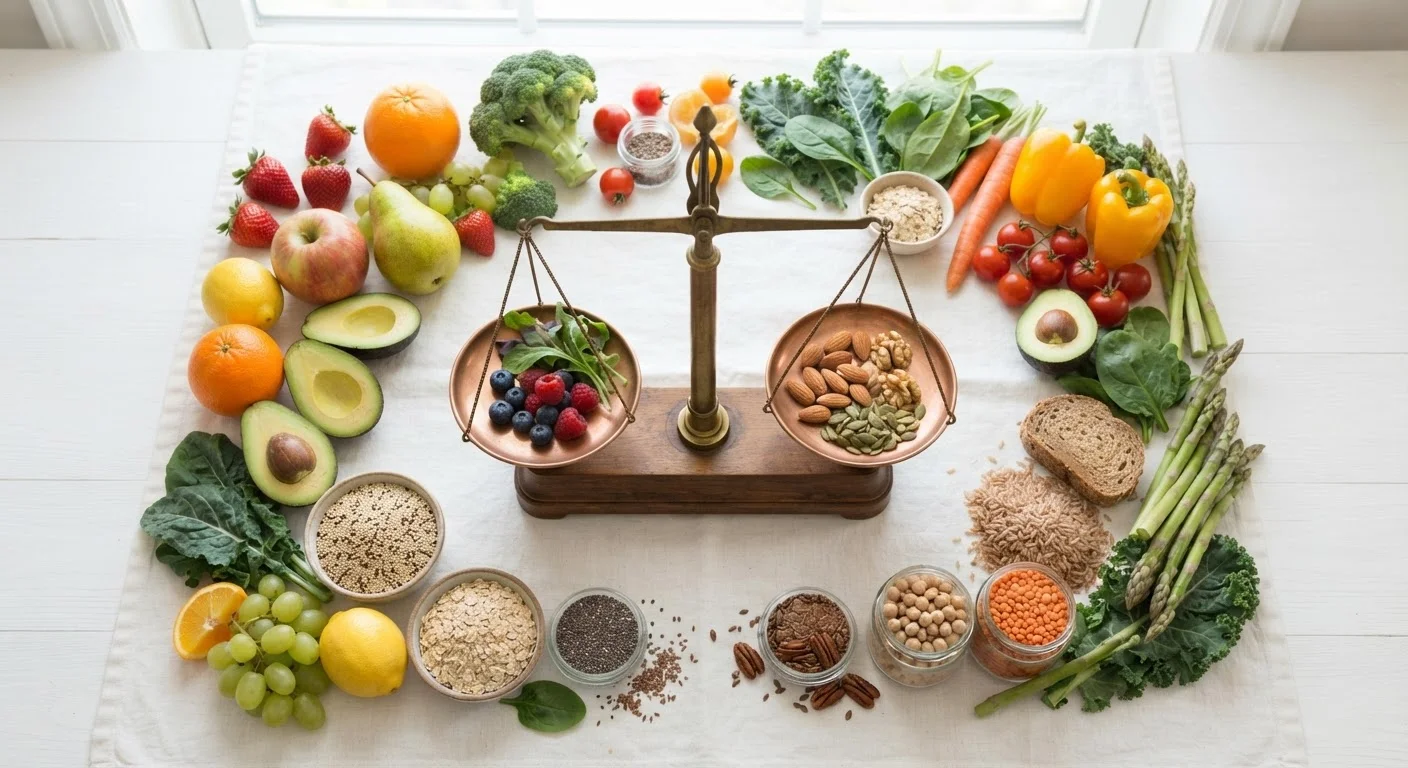
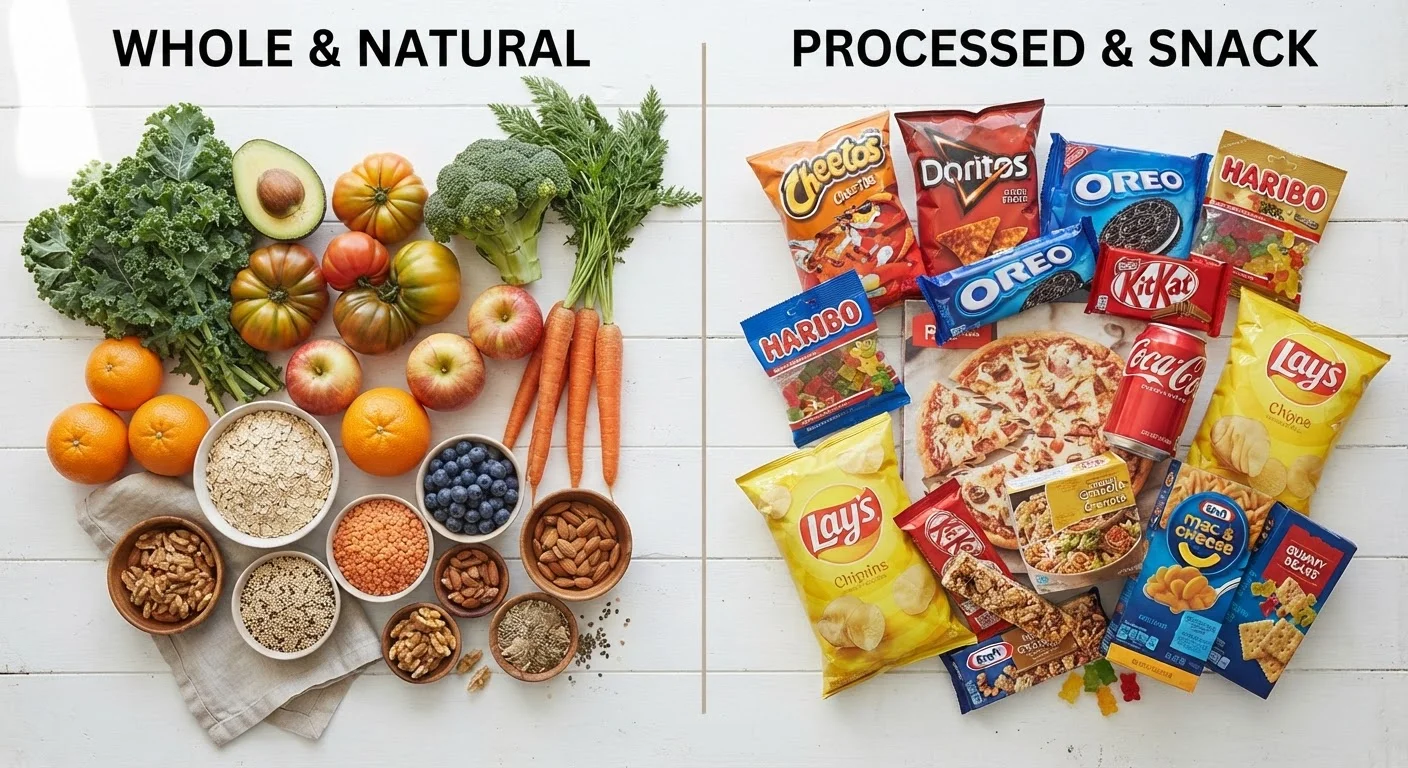
The phrase whole food refers to any food that is eaten in — or very close to — its natural state. Think of an apple, a raw walnut, a hard-boiled egg, or a bowl of cooked oats. None of these have had significant components removed or foreign substances added.
Processed food, by contrast, describes virtually anything that has been altered from its original form before it reaches your plate. That definition turns out to be surprisingly broad. Pasteurized milk, sliced bread, canned tomatoes, and frozen peas are all technically processed. So is a bag of cheese-flavored corn chips. The word alone tells you very little about nutritional quality.
Food scientists and researchers often use a classification system called NOVA, developed by researchers at the University of São Paulo, to sort foods into four groups based on the extent and purpose of their processing — from Group 1 (unprocessed or minimally processed) to Group 4 (ultra-processed). This framework is widely used in nutrition research and helps cut through the vague language on food packaging.
The Processing Spectrum: From Minimal to Ultra
Understanding food processing as a spectrum — rather than a binary — changes how you approach everyday choices.
- Minimally processed: Foods cleaned, trimmed, or refrigerated but otherwise unchanged. Examples include bagged salad, frozen plain vegetables, or shelled nuts.
- Processed culinary ingredients: Substances extracted from whole foods for cooking — flour, olive oil, butter, sugar, salt. These aren't typically eaten on their own but support home cooking.
- Processed foods: Products made by combining Group 1 and Group 2 items with preservation or flavoring in mind. Canned fish, cheese, cured meats, and simple breads fall here.
- Ultra-processed foods: Industrial formulations containing ingredients rarely found in a home kitchen — emulsifiers, flavor enhancers, colorings, modified starches, and hydrogenated oils. These are designed primarily for palatability, shelf stability, and profitability. Examples include many breakfast cereals, packaged snacks, carbonated soft drinks, and instant noodles.
To decode what you're actually eating, learning to read an ingredient list is a genuinely useful skill.
| Criterion | Whole Foods | Processed Foods |
|---|---|---|
| Definition | Eaten close to natural state | Altered from original form |
| Ingredient complexity | Single ingredient or very few | Ranges from a few to many additives |
| Fiber content | Generally high | Often reduced or absent |
| Added sugars & sodium | Minimal to none | Often significant, especially ultra-processed |
| Convenience | Requires more preparation | Ready-to-eat or quick to prepare |
| Shelf life | Shorter | Extended through preservation |
| Research association | Linked to lower chronic disease risk | Ultra-processed linked to higher chronic disease risk |
Why the Distinction Matters for Health
Research consistently shows that diets heavy in ultra-processed foods are associated with higher rates of obesity, type 2 diabetes, cardiovascular disease, and some cancers. A landmark 2019 randomized controlled trial published in Cell Metabolism found that participants assigned an ultra-processed diet consumed significantly more calories and gained more weight than those on an unprocessed diet — even when both groups had access to the same number of calories on paper.
Whole and minimally processed foods tend to be higher in dietary fiber, which supports digestive health and helps you feel full. They also retain vitamins and minerals that are sometimes stripped or degraded during industrial processing. For a closer look at how your body uses what you eat, see our guide on gut health and digestion.
One area worth watching: added sugars. Ultra-processed products are responsible for a substantial share of added sugar consumption in American diets. Understanding the difference between sugars naturally present in foods and those added during manufacturing matters — natural sugars vs. added sugars explains why the distinction isn't just semantic.
57%
Share of US calories from ultra-processed foods
A study published in BMJ Open (2016) estimated that ultra-processed foods account for approximately 57% of daily calorie intake among US adults.
~500
Extra calories consumed daily on ultra-processed diet
A 2019 NIH randomized trial found participants eating an ultra-processed diet consumed roughly 500 more calories per day than those eating an unprocessed diet.
Making Practical Sense of This in Everyday Life
The goal isn't to eliminate all processing — that's neither realistic nor necessary. Pasteurization makes dairy safer. Fortification adds back nutrients like folic acid that protect against birth defects. Freezing vegetables shortly after harvest can preserve more nutrients than fresh produce that's been trucked across the country for a week.
A more practical approach is to think in terms of degree: how far has this food traveled from its original form, and what has been added or removed along the way? A few guiding questions help:
- Can you recognize the ingredients as real foods?
- Is the ingredient list short, or does it run to fifteen lines of chemical-sounding names?
- Would you find these ingredients in a reasonably stocked home kitchen?
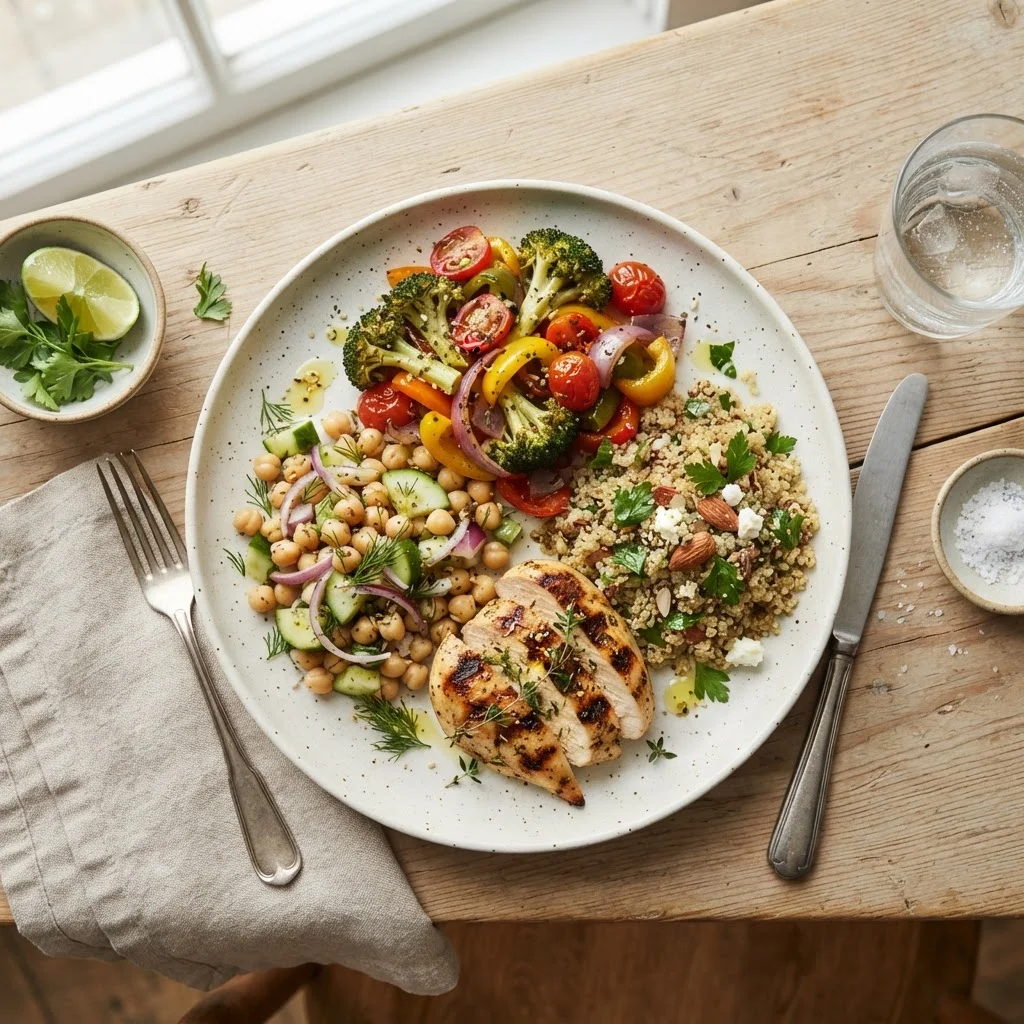
You might also explore how protein sources fit into this picture. Whether plant-based or animal-based, protein choices interact with processing levels in ways worth understanding. A grilled chicken breast and a processed chicken nugget are very different nutritional propositions, despite sharing the same core ingredient.
Not All Processing Is Equal — Or Bad
It's easy to assume that any processing is harmful, but that isn't supported by evidence. Yogurt, kefir, and sourdough bread are technically processed through fermentation — yet they're associated with positive health outcomes. The concern in nutrition research centers specifically on ultra-processed products engineered for hyper-palatability. Minimally processed staples remain a practical and nutritious part of most balanced diets. If you want to explore this further, the Ingredients Explained hub offers accessible breakdowns of common food components.
This article is for general informational and educational purposes only and does not constitute medical or dietary advice. Consult a qualified healthcare professional or registered dietitian before making significant changes to your diet, especially if you have an existing health condition.