What 'Balanced Eating' Actually Means
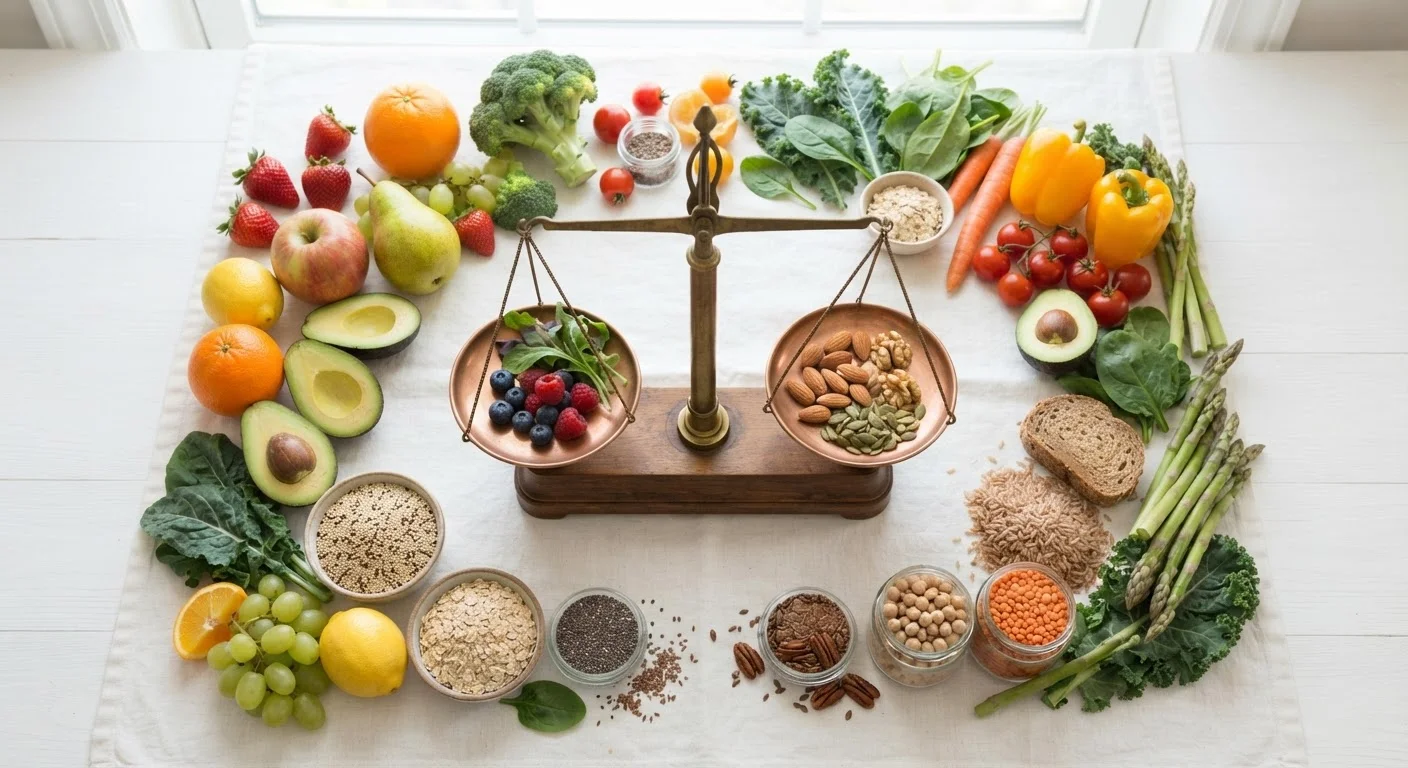
The phrase "balanced diet" appears everywhere, yet it rarely gets explained clearly. At its core, balanced eating simply means getting a sufficient variety of nutrients from different food sources — consistently enough that your body has what it needs to function well day to day.
It is not about perfection, elimination, or following a named dietary plan. No single meal defines your nutrition. What matters more is the overall pattern across meals and days.
Think of it less as a rulebook and more as a general direction: eat a wide variety of foods, lean toward whole and minimally processed options when possible, and pay some attention to how much of each food group shows up on your plate.
Macronutrients
The three main categories of nutrients your body needs in large amounts: carbohydrates, proteins, and fats. Each provides energy and serves specific functions.
Micronutrients
Vitamins and minerals your body needs in smaller amounts but still can't do without. They support processes like immune function, bone strength, and energy production.
Dietary fiber
A type of carbohydrate found in plant foods that the body cannot fully digest. It supports digestive health, helps you feel full, and is linked to reduced risk of certain chronic conditions.
Whole foods
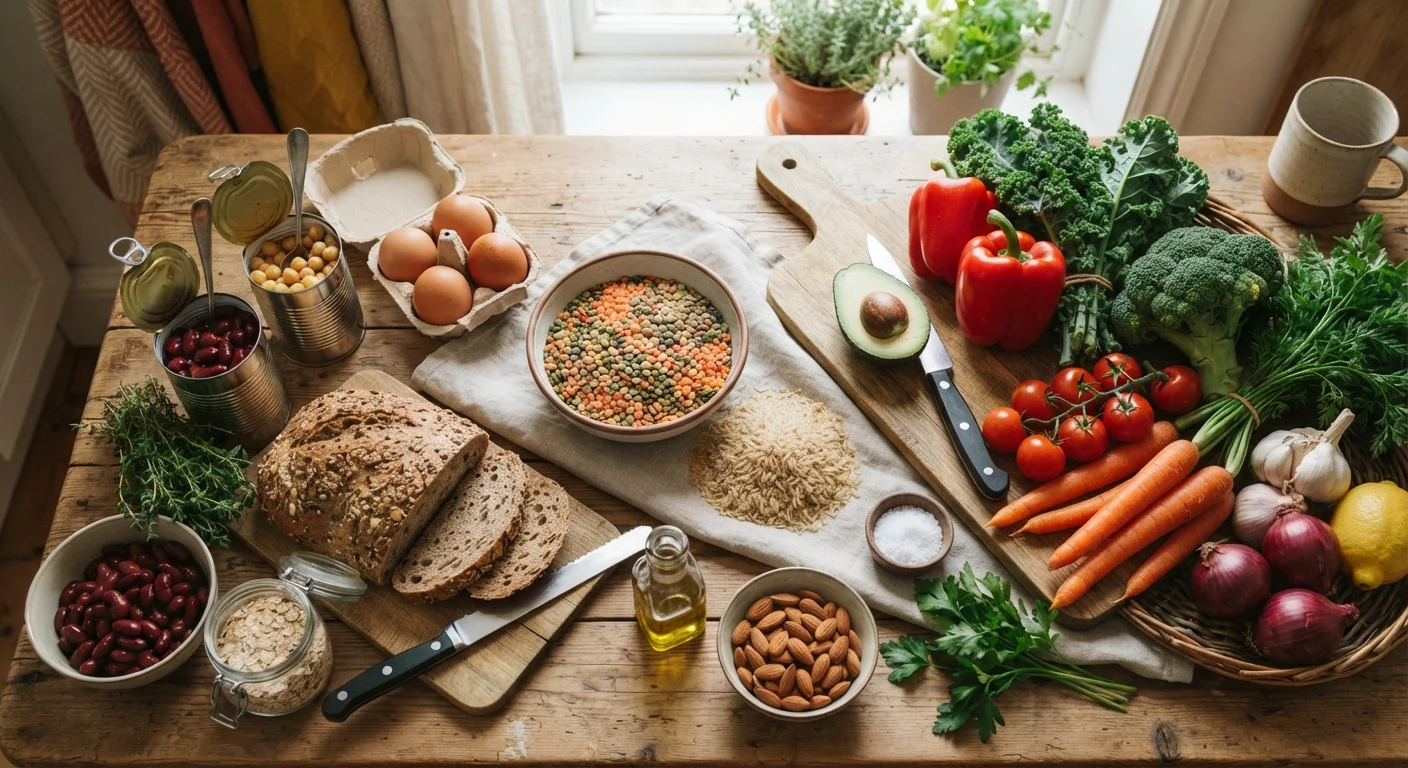
Foods that are minimally processed and close to their natural state — such as vegetables, fruit, whole grains, and legumes — retaining most of their original nutrients.
Plate method
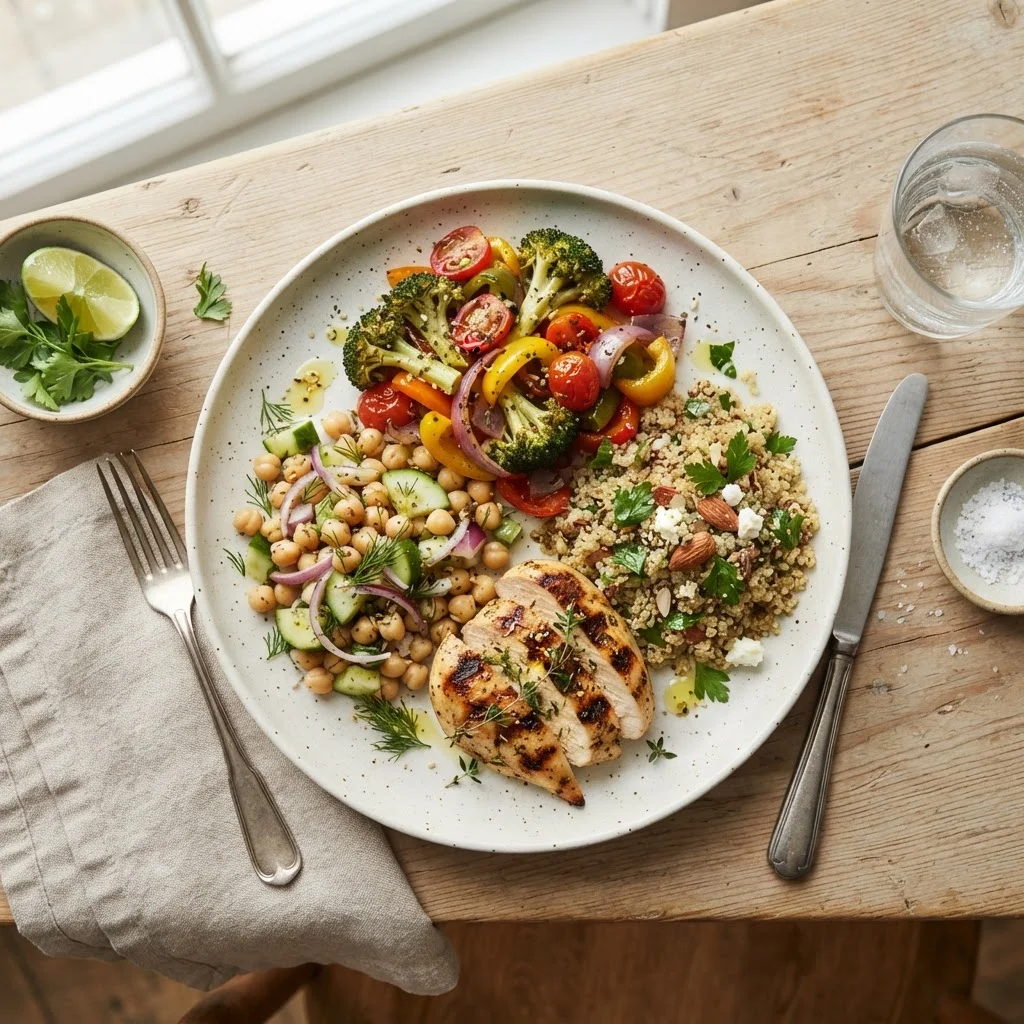
A visual tool for portioning a meal that divides a standard plate into sections for vegetables, grains, and protein, making balanced proportions easy to judge without measuring.
Unsaturated fats
A type of dietary fat, found in foods like olive oil, nuts, seeds, and fish, generally considered beneficial for heart health when consumed as part of a balanced diet.
This article provides general nutrition education and is not a substitute for advice from a registered dietitian or other qualified healthcare professional.
The Main Food Groups and What They Do
Nutrition science organizes foods into groups based on their primary nutritional contribution. Understanding what each group does makes it easier to appreciate why variety matters.
- Vegetables and fruits supply vitamins, minerals, fiber, and antioxidants. They support immune function, digestion, and long-term health. Aim for color variety — different pigments often signal different nutrients.
- Whole grains (oats, brown rice, whole wheat bread, quinoa) provide carbohydrates — the body's preferred energy source — along with fiber and B vitamins. Refined grains lose much of this nutritional value during processing.
- Proteins are the body's building blocks, used to repair tissue, make enzymes, and support immune health. Sources include meat, fish, eggs, dairy, legumes, nuts, and seeds. For a look at how plant and animal sources compare, see our guide to plant vs. animal proteins.
- Dairy or calcium-rich alternatives contribute calcium, vitamin D, and protein, supporting bone health and muscle function.
- Healthy fats found in olive oil, avocado, nuts, and fatty fish are essential for brain function, hormone production, and absorbing fat-soluble vitamins like A, D, E, and K. Learn more in our vitamins and minerals reference guide.
How to Think About Proportions
Knowing what foods exist is one thing — knowing how much of each to eat is another. A practical, research-backed tool is the plate method, popularized in various forms by public health organizations. The general idea:
- Fill roughly half your plate with vegetables and fruit.
- Fill about one quarter with a whole grain or starchy vegetable.
- Fill the remaining quarter with a protein source.
- Add a small amount of healthy fat (a drizzle of olive oil, a few slices of avocado).
This is a visual guide, not a rigid prescription. It works whether you're building a home-cooked meal or navigating a cafeteria. You don't need measuring cups or a food scale to get started.
Use your hand as a portion guide
You don't need kitchen scales to estimate portions at first. A cupped palm is roughly one serving of grains or legumes; a flat palm (minus fingers) approximates a protein serving; and two open handfuls give you a rough vegetable serving. This rough visual method is a practical starting point before any more precise tracking becomes necessary.
For more context on how the body uses food energy overall, our article on energy balance is a helpful companion read. And if you're cooking your own meals, Cooking Basics has beginner-friendly guides to get you started in the kitchen.
Hydration: The Nutrient People Forget
Water is often overlooked in nutrition conversations, but it's involved in virtually every biological process — digestion, circulation, temperature regulation, and cognitive function among them.
How much water a person needs varies based on body size, climate, and activity level, so there's no universal number that applies to everyone. General guidance from health authorities in the U.S. suggests most adults benefit from several cups of fluid daily, with water being the best primary source. Foods with high water content — cucumbers, leafy greens, citrus fruits — also contribute meaningfully to hydration.
Thirst is a reasonable cue to drink, though some people, especially older adults, may find their thirst signal less reliable. Pale yellow urine is a commonly cited sign of adequate hydration.
Hydration needs vary between individuals
Factors like body size, physical activity, heat, illness, and certain medications all affect how much fluid a person needs. The commonly cited "8 glasses a day" figure is a rough heuristic, not a universal prescription. If you have a medical condition or take medications that affect fluid balance, speak with your healthcare provider about what's appropriate for you.
Ready to reflect on your current habits? Our weekly nutrition self-check includes hydration as one of its core assessment areas.
Simple Steps to Start Eating More Balanced Today
Overhauling everything at once rarely works. Sustainable improvement almost always comes from small, repeated changes that become habits over time. Here are approachable starting points:
- Add before you subtract. Rather than cutting foods out, start by adding one vegetable or fruit to a meal you already eat regularly.
- Swap refined grains gradually. Replace white rice with brown, or try a whole-grain bread alongside what you already buy. Gradual swaps are easier to maintain.
- Check the label when in doubt. Packaged foods carry a Nutrition Facts panel with useful information. Our walkthrough on reading nutrition facts labels explains exactly what to look for.
- Cook more of your own meals. Home cooking gives you direct control over ingredients and portions. If the kitchen feels unfamiliar, reading a recipe without getting confused is a good place to start.
- Be consistent, not perfect. One unbalanced meal doesn't derail anything. Focus on the overall pattern across the week, not individual moments.
This article is for general informational and educational purposes only and does not constitute medical or dietary advice. Please consult a registered dietitian or qualified healthcare professional for guidance tailored to your individual health needs.