Why Loose-Leaf Tea Is Worth the Small Extra Effort
Bagged tea is convenient, but the contents are often made from the smallest, broken tea particles — a byproduct called fannings or dust. These particles brew quickly but release more tannins, which can make the cup taste sharp or one-dimensional. Loose-leaf tea uses whole or partially whole leaves, which unfurl gradually in water and release flavor in a more layered, nuanced way.
Just like following a new recipe requires understanding a few key terms before you start — see our guide to reading recipes without confusion for a parallel example — brewing tea well means understanding a handful of core variables: leaf quantity, water temperature, and steeping time. Get those three right and the rest takes care of itself.
If you enjoy coffee, you may find it interesting to compare how meticulous extraction is in that world too — our coffee plant-to-cup overview shows just how much processing goes into a single cup before temperature and timing even enter the equation.
What you will need
What You Need to Get Started
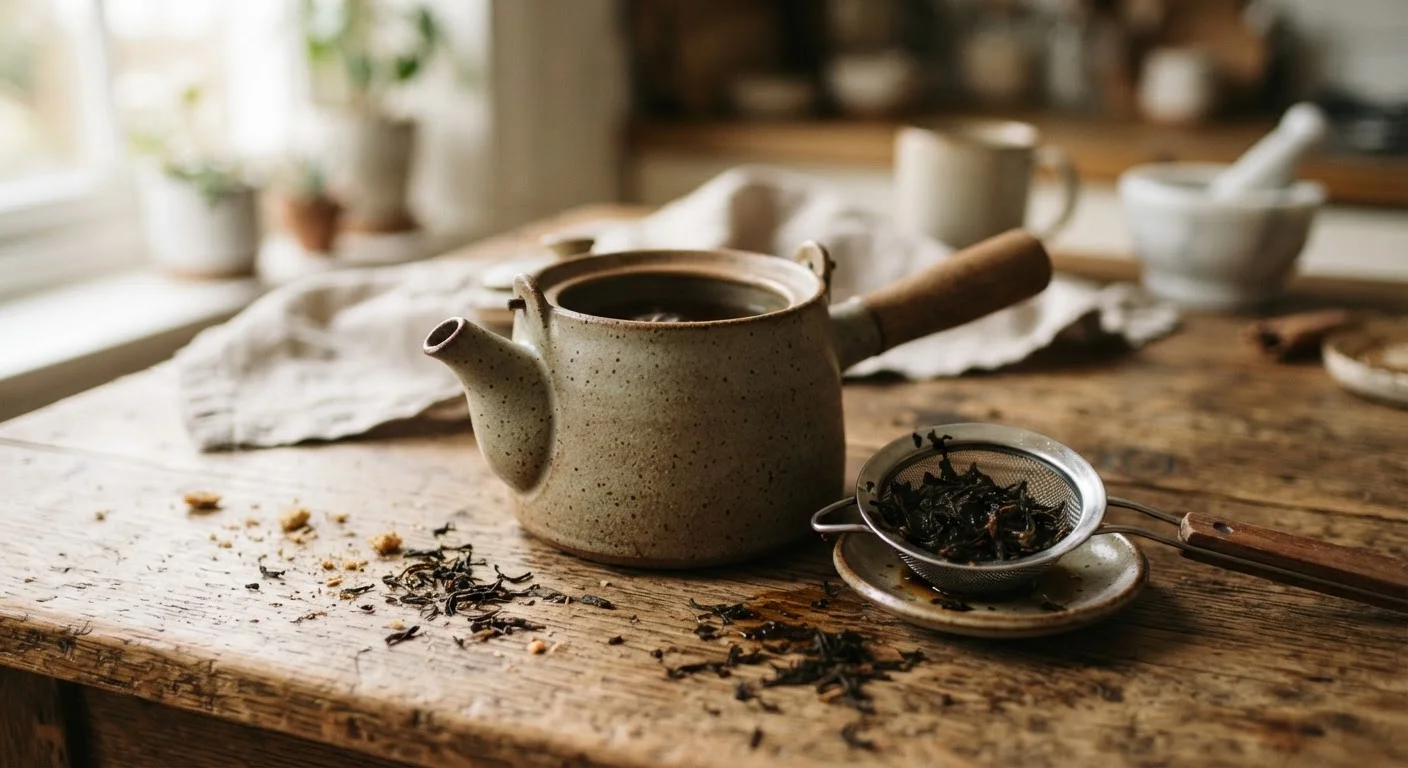
You don't need an elaborate tea ceremony setup. A simple mesh infuser, a mug, a kettle, and some tea leaves are genuinely sufficient for excellent results. The tools below will help you brew with more precision as your interest grows, but the optional items are truly optional — especially for your first few cups.
Mesh Tea Infuser or Tea Ball
Holds loose leaves in the water during steeping and is removed cleanly when done.
Kitchen Thermometer
Measures water temperature accurately, essential for green and white teas.
Kitchen Scale
Weighs tea by the gram for more precise brewing when following specific instructions.
Gooseneck Kettle
Provides controlled water flow for an even pour over leaves, improving extraction.
How to Brew Your First Cup
Follow these steps in order. The process takes under ten minutes from start to finish, and within a few attempts you'll have a feel for it without needing to consult notes at all.
Choose your tea and measure the leaves
Start with one rounded teaspoon of loose-leaf tea per eight-ounce (240 ml) cup. Lighter, fluffy teas like white tea may need up to two teaspoons by volume because the leaves are less dense. Denser, tightly rolled oolongs or black teas are fine at one level teaspoon. Place your measured leaves directly into your infuser or tea ball.
Heat water to the correct temperature
Different tea types require different water temperatures. Use this quick reference:
- White tea: 160°F–175°F (71°C–79°C)
- Green tea: 170°F–185°F (77°C–85°C)
- Oolong tea: 185°F–205°F (85°C–96°C)
- Black tea: 200°F–212°F (93°C–100°C)
- Herbal tisanes: 212°F (100°C) — full boil
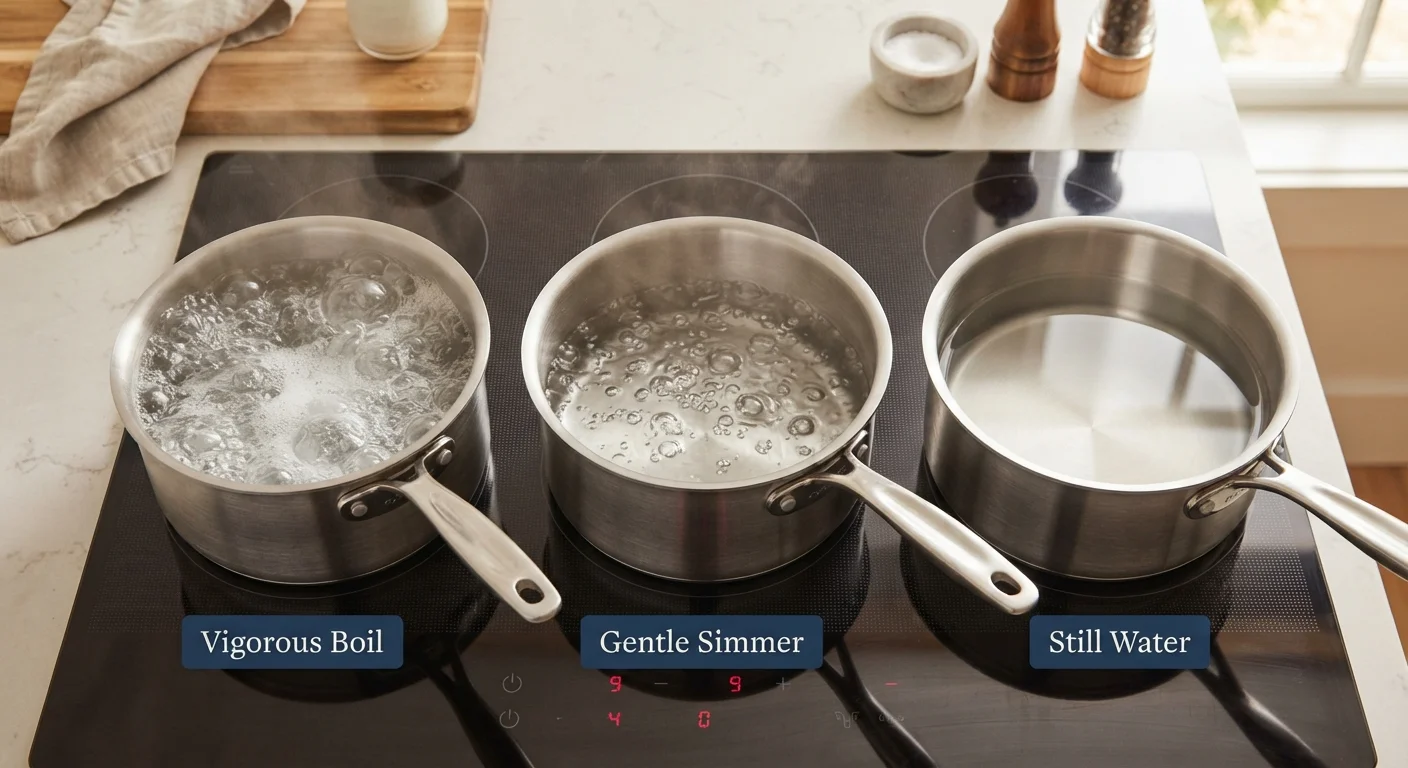
If you don't have a thermometer, bring water to a full boil, then let it cool for 1–3 minutes for oolong and green teas, or 3–5 minutes for white tea.
Warm your mug or teapot (optional but recommended)
Pour a small amount of hot water into your mug or teapot, swirl it around, then discard it. This pre-warming prevents the vessel from immediately pulling heat away from your brew and keeps the steep temperature stable throughout — especially helpful in a cold kitchen.
Place the infuser and pour the water
Set your loaded infuser into the mug or teapot. Pour the heated water over the infuser slowly and steadily — this helps wet all the leaves evenly rather than just the ones on top. Fill to your desired cup volume (typically 8 oz / 240 ml). Start your timer immediately.
Steep for the correct amount of time
Steeping time is as critical as temperature. Here are standard starting ranges:
- White tea: 2–4 minutes
- Green tea: 1–3 minutes
- Oolong tea: 2–4 minutes
- Black tea: 3–5 minutes
- Herbal tisanes: 5–7 minutes
Begin at the shorter end of the range on your first brew, then adjust on future cups to your personal taste preference.
Remove the infuser and enjoy
When the timer goes off, lift the infuser out cleanly and set it aside. Your tea is ready to drink as-is, or you can add a small splash of milk (suits black tea well), a slice of lemon (pairs nicely with green tea), or a light drizzle of honey. Taste it plain first so you understand the tea's natural character before adjusting.
Re-steep Your Leaves for a Second Cup
High-quality loose-leaf teas, especially oolongs and white teas, can often be steeped two or three times. Each infusion draws out slightly different flavor notes. Simply add fresh hot water at the correct temperature and reduce the steep time by about 30 seconds for each subsequent brew.
Don't Guess Steeping Time
Leaving leaves in the water too long is the most common beginner mistake. Bitterness in tea usually comes from oversteeping, not from the tea itself. Use a kitchen timer — even your phone — every time until you have a feel for it.
Troubleshooting Common First-Brew Problems
Even with careful attention, your first cup may not taste exactly as expected. Here are the most common issues and their fixes:
- Tastes bitter or astringent: Water was too hot, steep time was too long, or both. Try lowering temperature by 10°F and reducing steep time by 30 seconds.
- Tastes weak or watery: Not enough leaves, or steep time was too short. Add a half teaspoon more leaf and steep for 30–60 seconds longer.
- Tastes flat or papery: Water quality is the likely culprit. Try filtered or spring water instead of straight tap water.
- Leaves floating in the cup: Your infuser has gaps too large for the leaf size. A finer-mesh infuser or a small paper filter insert will fix this.
Never Boil Delicate Green or White Teas
Pouring fully boiling water (212°F / 100°C) over green or white tea scorches the leaves and produces a harsh, bitter cup. These teas need cooler water — typically between 160°F and 185°F (71°C–85°C). If you don't have a thermometer, let boiling water rest off the heat for two to three minutes before pouring.
Loose-leaf tea is a forgiving subject to learn. Each variable is adjustable independently, so it's easy to isolate what changed and correct it one step at a time.