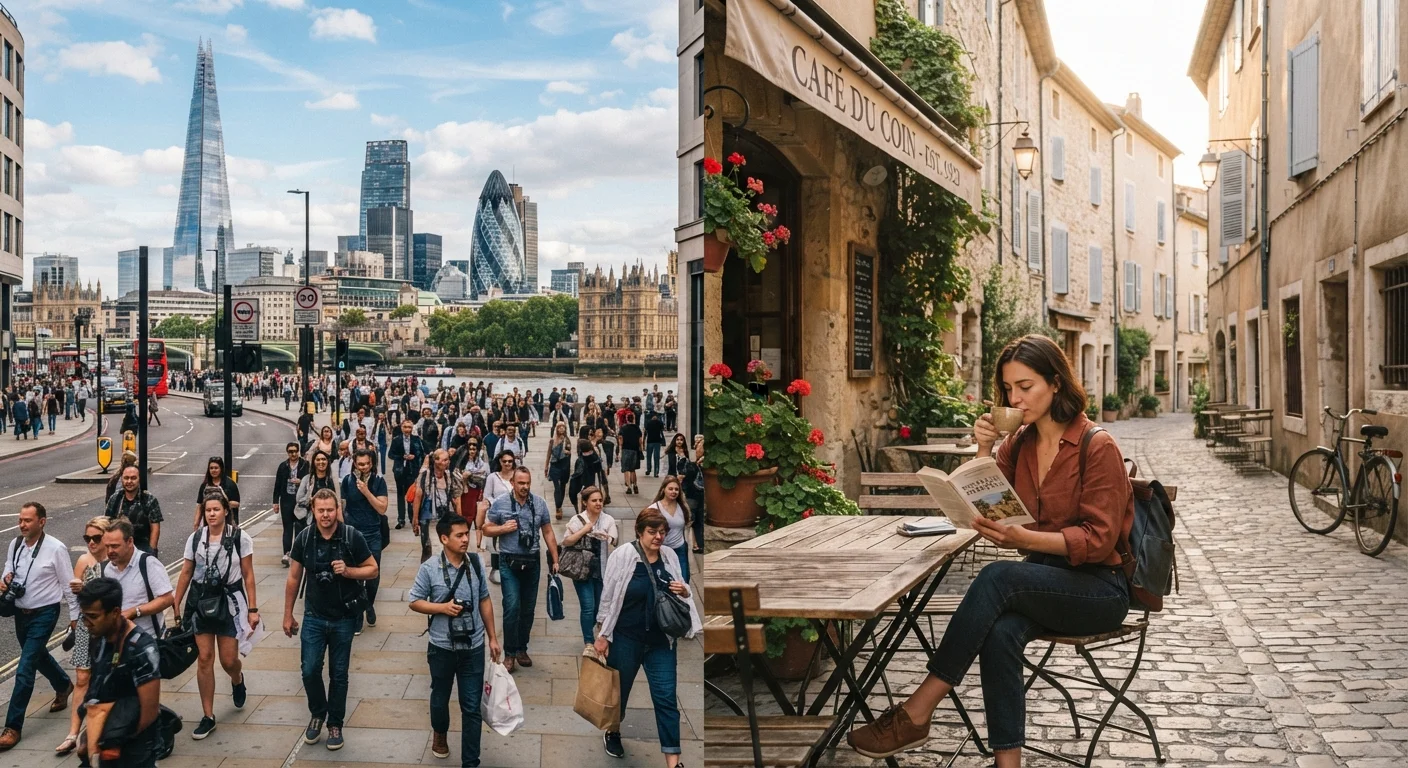
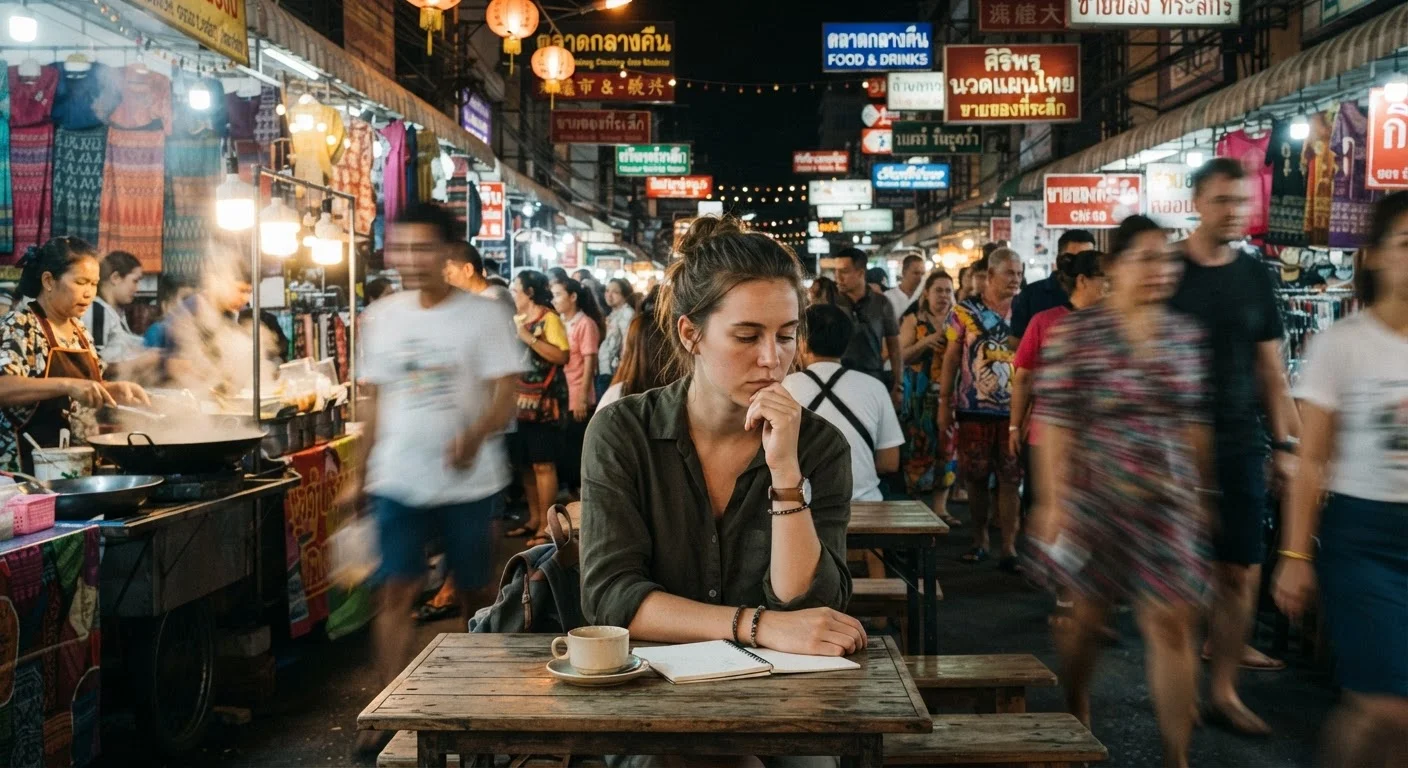
What Is Culture Shock?
Culture shock is a recognised psychological and emotional response that occurs when a person is immersed in a cultural environment significantly different from their own. The term was coined by anthropologist Kalervo Oberg in 1960 to describe the disorientation people feel when familiar cultural cues — social norms, language, food, body language, even the rhythm of daily life — are suddenly replaced by unfamiliar ones.
It is not a sign of weakness or poor preparation. It is, in fact, a very human reaction to novelty and uncertainty. Whether you are studying abroad, relocating for work, or embarking on extended travel, culture shock can catch you off guard precisely because it often arrives after the initial thrill of a new place begins to wear off. Understanding how deeply cultural values shape everyday behaviour can give you a useful head start before you arrive.
Culture Shock Is Not a Personal Failing
Even experienced, well-travelled people encounter culture shock — it is a feature of human psychology, not a reflection of your adaptability or openness. Recognising this early makes it much easier to treat yourself with patience and curiosity rather than frustration or self-blame.
The Four Stages of Culture Shock
Oberg's original framework — still widely referenced today — describes four broad stages that many people move through, though not always in a perfectly linear order:
- Honeymoon Stage: Everything feels exciting and novel. The food is an adventure, strangers seem warm, and differences feel charming rather than frustrating. This stage can last days or several weeks.
- Frustration Stage: Reality sets in. Language barriers feel exhausting, social rules are confusing, and homesickness can creep in. This is the core of what most people mean when they say they are experiencing culture shock.
- Adjustment Stage: You begin to find your footing. Daily tasks become manageable, you develop small routines, and a sense of humour about earlier struggles often returns.
- Adaptation Stage: The new culture starts to feel liveable — even genuinely enjoyable. You have not abandoned your own identity; you have simply expanded it.
If you are weighing how long to spend in one place, our piece on city break vs. slow travel explores how trip length can affect how deeply you connect with a destination.
1960
Year the term 'culture shock' was coined
Anthropologist Kalervo Oberg introduced the concept in a speech to the Women's Club of Rio de Janeiro, describing the anxiety produced by losing familiar cultural cues.
4 stages
Recognised phases of cultural adjustment
Oberg's honeymoon–frustration–adjustment–adaptation model remains a widely referenced framework in cross-cultural psychology and international education literature.
~6 months
Typical adjustment period for long-term relocators
Cross-cultural researchers generally suggest that meaningful cultural adjustment for long-term relocations often takes several months, though this varies widely by individual and context.
Why Does Culture Shock Happen?
At its core, culture shock happens because human beings rely on a vast, largely invisible web of shared assumptions to navigate daily life. We know instinctively how close to stand to a stranger, whether to make eye contact with a shop assistant, how loudly to speak in public, and what counts as a generous greeting versus an intrusive one. These scripts are so deeply ingrained that we barely notice them — until they stop working.
When you enter a new cultural environment, that invisible operating system encounters a system it was not built for. The mental energy required to decode even basic social interactions increases dramatically, leading to genuine cognitive fatigue. Add in unfamiliar food, disrupted sleep, and the absence of your usual support network, and the emotional weight can become significant.
Before you travel, spend time reading local news or watching locally produced content from your destination — not just travel blogs about it. This builds a much more grounded picture of everyday life.
Culture shock is intensified when reality contradicts a heavily idealised or tourist-oriented expectation. Genuine familiarity with the ordinary rhythms of a place reduces that gap.
When frustration peaks, write it down rather than venting it outward. A private journal entry is far more useful than a heated comparison of your home country versus your destination.
Externalising frustration as cultural criticism tends to deepen othering and slow adjustment. Reflective writing, by contrast, helps process emotion while preserving openness.
Recognising the Signs
Culture shock can manifest differently from person to person, but common signs during the frustration stage include:
- Persistent irritability or mood swings without obvious cause
- Excessive sleeping or difficulty sleeping
- Withdrawal from social situations or local interaction
- Idealising home and feeling your destination is inherently inferior
- Loss of appetite or digestive discomfort linked to unfamiliar food
- Difficulty concentrating on simple tasks
Recognising these signs in yourself is genuinely useful — it shifts the experience from something is wrong with me to I am going through a known, temporary process. That reframe alone can reduce anxiety considerably.
Culture Shock Can Happen Closer to Home
You do not need to cross an ocean to experience culture shock. Moving from a rural area to a major city, or between distinct regional cultures within the same country, can trigger similar feelings of disorientation. The underlying psychological process is the same regardless of geographic distance.
Healthy Ways to Move Through It
There is no shortcut through culture shock, but there are concrete strategies that help you move through it more comfortably:
- Maintain small routines. A familiar morning ritual — even just the same breakfast — provides psychological anchoring in an unfamiliar environment.
- Learn a few local phrases. Even imperfect attempts at the local language signal respect and often unlock warmth from locals.
- Seek genuine connection. Meeting locals through community events, language exchanges, or shared activities accelerates adjustment far more than tourist activities alone.
- Allow yourself some comfort. Watching a show from home or cooking a familiar meal is not failure — it is healthy self-regulation.
- Prepare before you arrive. Our cultural preparation checklist walks you through researching local customs and etiquette norms so fewer things catch you off guard.
Visiting sacred or significant cultural spaces is one area where preparation pays particular dividends. Our guide on respectful behaviour at sacred sites can help you engage confidently and thoughtfully with the places that matter most to local communities.
Start Small, Go Local
One of the most effective ways to accelerate adjustment is to participate in ordinary local life rather than tourist activities. Visit a neighbourhood market, use public transit, or attend a free community event. These everyday moments build cultural fluency faster than any guidebook.
When Culture Shock Feels More Serious
For most travellers, culture shock is temporary and manageable. However, if feelings of depression, anxiety, or social withdrawal persist for several weeks without improvement, it is worth taking them seriously. Prolonged isolation abroad can compound existing mental health challenges, and there is no virtue in pushing through severe distress alone.
Reach out to a trusted person — a friend, family member, or counsellor — and, where needed, seek support from a qualified mental health professional. Many countries have English-language or expat-focused counselling services. Your country's embassy or consulate can often point you toward vetted resources in an unfamiliar destination.
This article is for general informational and educational purposes only. It is not a substitute for advice from a qualified mental health professional. If you are experiencing significant or prolonged distress, please seek support from a licensed practitioner.