Why a Few Core Habits Cover Most Risks
Internet security can sound intimidating, but the reality is that the vast majority of everyday threats — account takeovers, phishing scams, malware — succeed because people haven't yet built a few simple habits. You don't need to become a cybersecurity expert to protect yourself well. You need to be a harder target than average.
Most attacks are opportunistic, not targeted. Automated tools scan the internet for easy openings: recycled passwords, unpatched software, people who click without looking. Closing those openings puts you ahead of most of the risk.
Start With Your Email Account
Your email is the master key to nearly every other account — password reset links go there. If someone gains access to your email, they can reset your banking, shopping, and social media passwords with ease. Secure it first with a strong unique password and two-factor authentication before worrying about anything else.
For a broader checklist that covers your physical devices too, see our guide to keeping your gadgets secure.
The Practices That Actually Matter
These five habits address the most common real-world attack vectors. Each one is practical enough to implement today.
Use a unique, strong password for every account you create.
Reusing passwords is the most common way people get compromised. When one service suffers a data breach, attackers test those leaked credentials on banks, email providers, and shopping sites — a practice called credential stuffing. A unique password for each account means one breach can't unlock everything else.
Enable two-factor authentication (2FA) on important accounts.
Two-factor authentication adds a second verification step — typically a code sent to your phone or generated by an app — after your password. Even if an attacker obtains your password, they can't log in without that second factor. This one step makes account takeover dramatically harder.
Recognize phishing attempts by slowing down and examining the sender.
Phishing messages — emails, texts, or pop-ups pretending to be from trusted organizations — rely on urgency and imitation to trick you into clicking a link or handing over credentials. Legitimate companies rarely demand immediate action or request passwords via email. Pausing to verify the actual sender address exposes most fakes.
Keep your operating system, browser, and apps updated promptly.
Software updates frequently patch known security vulnerabilities — flaws that attackers are already aware of and actively exploit. Delaying updates leaves a known door open. Enabling automatic updates removes the friction of remembering to do this manually.
Check for HTTPS before entering any personal or payment information.
HTTPS (the padlock symbol in your browser's address bar) means the connection between your browser and the website is encrypted, making it much harder for someone to intercept what you type. Entering passwords or card numbers on plain HTTP sites risks exposing that data on the network.
80%+
Of breaches involve stolen or weak passwords
Verizon's annual Data Breach Investigations Reports have consistently found that the majority of hacking-related breaches involve compromised credentials.
3.4 billion
Phishing emails sent every day globally
Estimates from cybersecurity researchers suggest phishing remains the most common attack vector for everyday internet users worldwide.
Common Misunderstandings Worth Clearing Up
This Is Education, Not a Guarantee
No security habit eliminates all risk — the goal is to make yourself a much harder target than average. Sophisticated, targeted attacks exist, but most everyday threats are opportunistic and can be avoided with the basics covered here. When in doubt about a specific threat or incident, consult a qualified IT security professional.
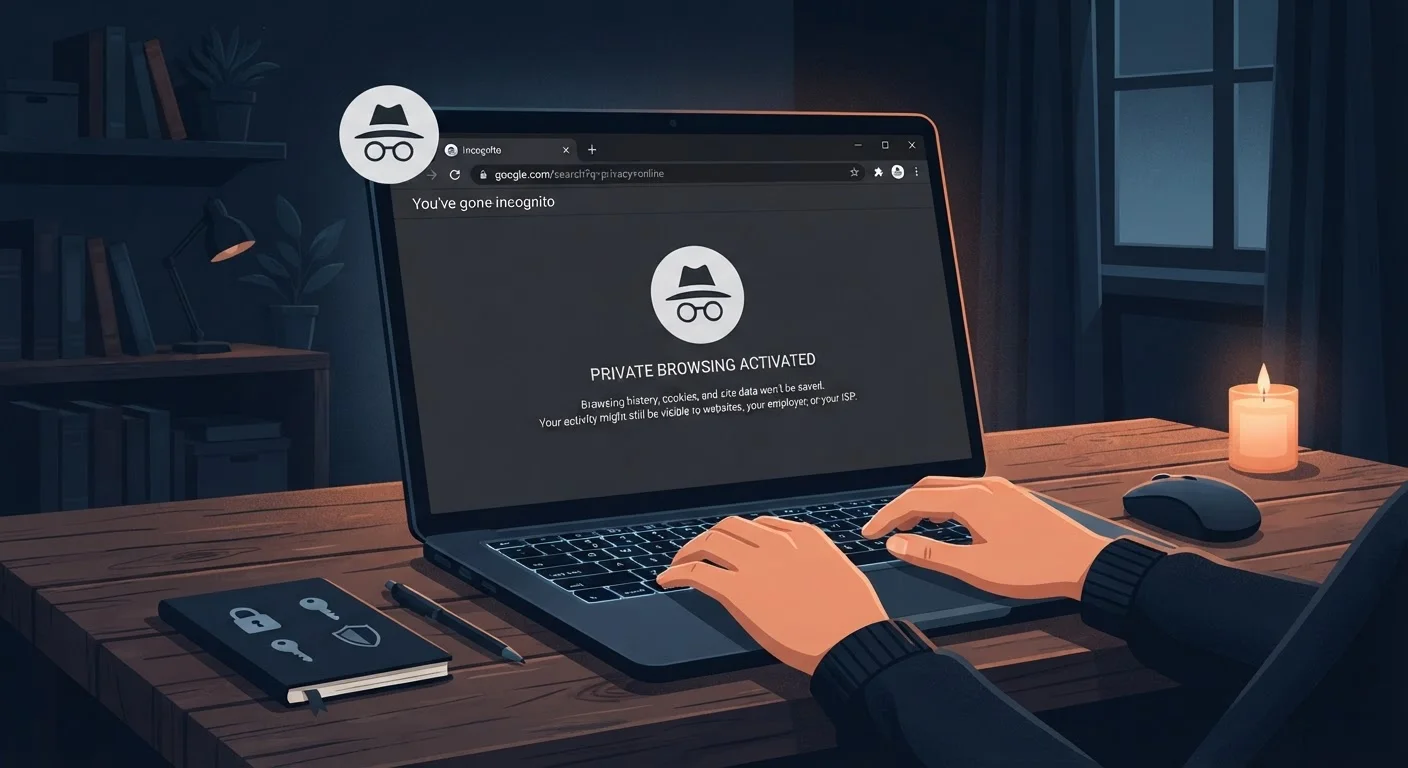
One frequent misconception is that private browsing mode makes you anonymous or secure online. It doesn't — it simply doesn't save your local browsing history. Your internet provider, employer network, and the websites you visit can still see your activity. Our article on common myths about private browsing mode breaks this down clearly.
Similarly, many people worry most about public Wi-Fi when their real exposure often comes from weak passwords and unpatched software at home. Public Wi-Fi risks are real but frequently overstated — see what's actually risky about public Wi-Fi for a grounded take.
“Security is not a product, but a process. It's more than designing strong cryptography into a system; it's designing the entire system such that all security measures, including cryptography, work together.”
— Bruce Schneier, Security technologist and author of 'Secrets and Lies'
Quick Wins You Can Act on Right Now
Knowing what to do matters less than actually doing it. These actions take minutes and deliver real, lasting protection.
Building digital safety habits mirrors the logic of any other good habit — the earlier you start, the more protected you are without having to think about it. Just as sound saving principles compound over time, secure habits compound into a much safer online life with very little ongoing effort.