Why the First Month Is the Hardest
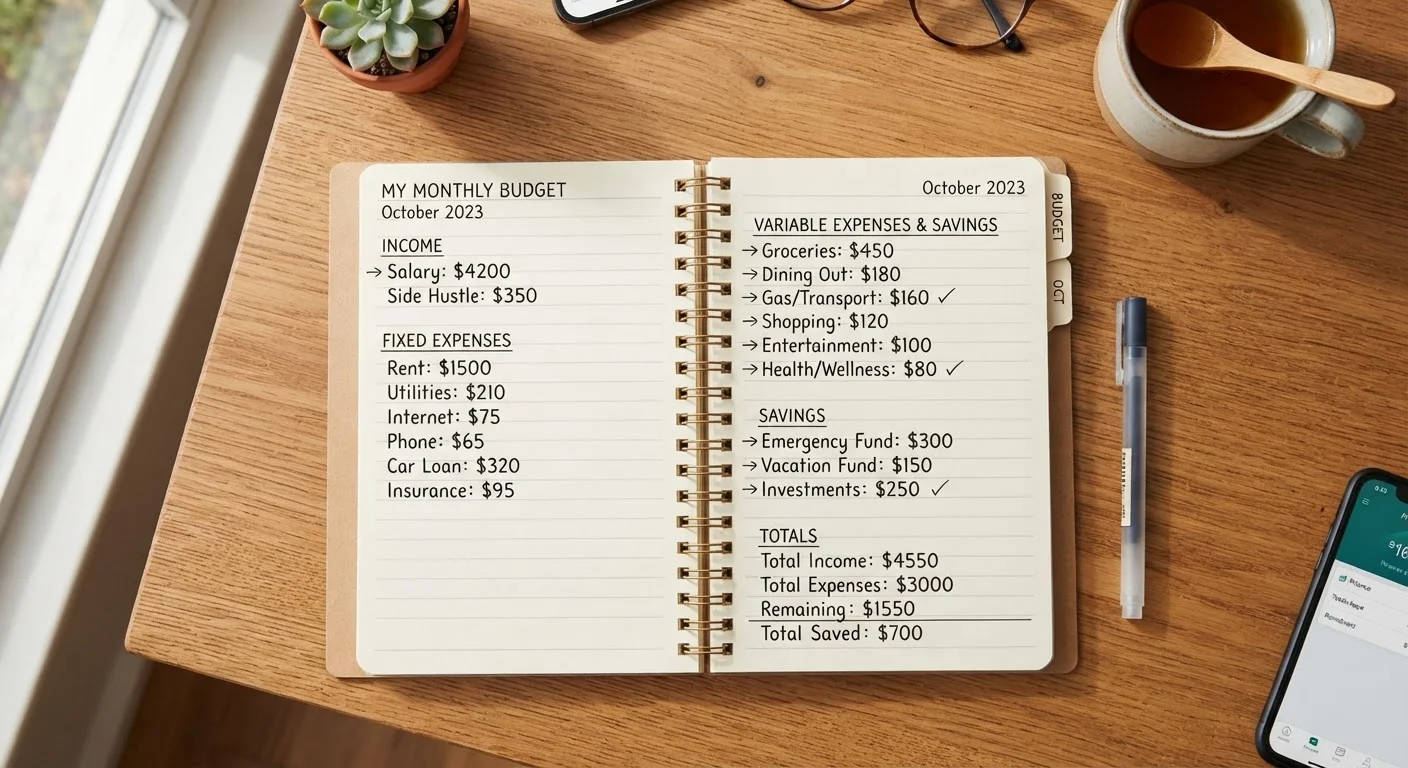
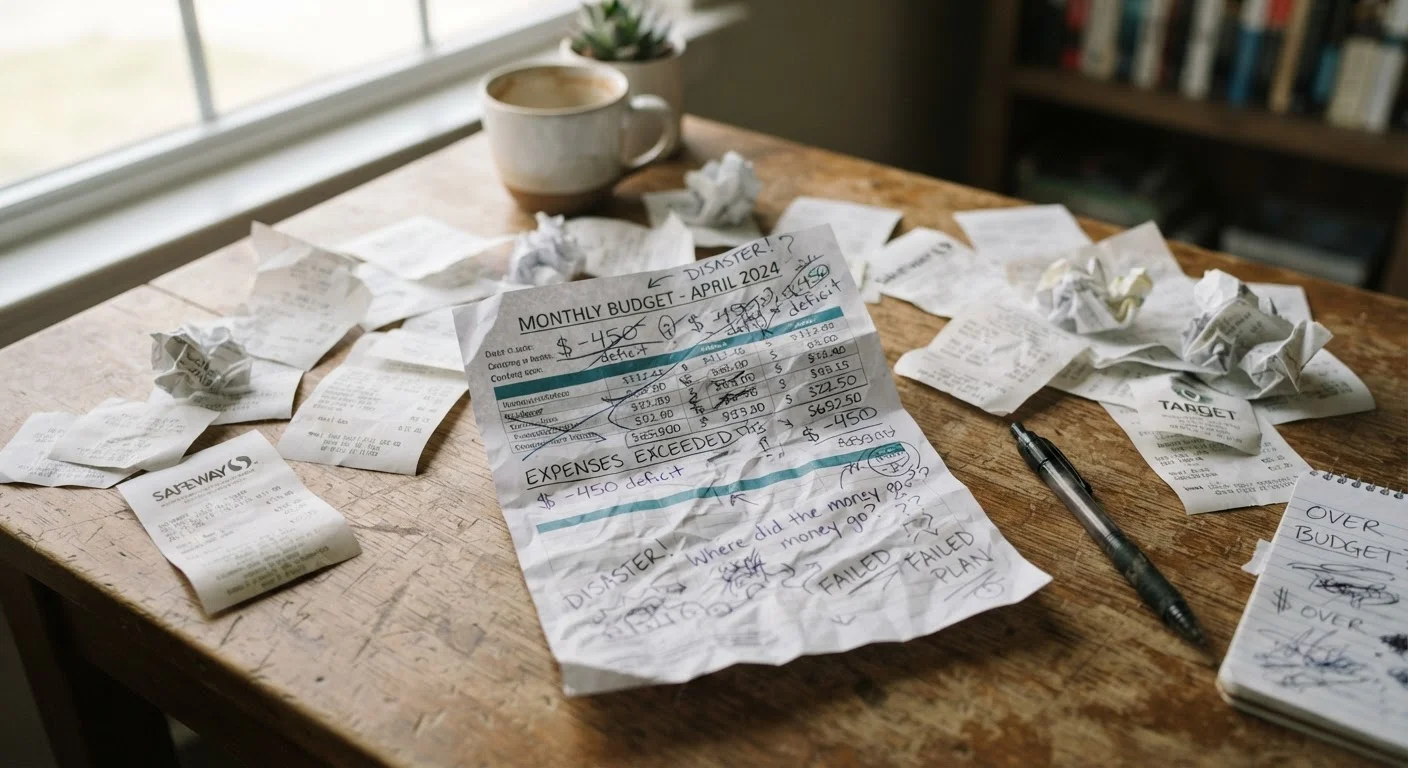
Starting a budget feels motivating — until reality kicks in around week two. An unexpected car repair, a forgotten subscription charge, or one social event derails the whole plan. Most people assume they failed. In truth, the budget itself was the problem.
The good news: first-month budget failures are almost always caused by the same handful of mistakes. Once you can name them, you can fix them before they happen. If you haven't built a budget yet and want to start from scratch, the beginner's walkthrough is a useful starting point.
Setting spending limits based on hope rather than actual past spending.
Why it happens: When people make their first budget, they tend to write down what they think they should spend rather than what they realistically do spend. The result is a plan that's impossible to follow from day one.
Leaving out irregular expenses that don't show up every month.
Why it happens: When you build a budget, you naturally think about monthly bills. But costs like car registration, annual subscriptions, seasonal clothing, or holiday gifts don't appear monthly — so they get overlooked until they hit.
Making the budget so strict there's no room for anything unplanned.
Why it happens: First-time budgeters often try to account for every dollar perfectly, leaving zero flexibility. One unplanned dinner, a minor home repair, or a friend's birthday gift blows the whole framework.
Stopping after one bad week instead of adjusting and continuing.
Why it happens: Many people treat a budget like a pass/fail test. Overspending in one category feels like failing the whole month, so they give up entirely rather than recalibrate.
Not tracking spending as the month goes on.
Why it happens: It's easy to set up a budget at the start of a month and then forget to check in on it. Without regular tracking, there's no feedback until the money is already gone.
How to Build a Budget That Actually Holds
Avoiding these mistakes doesn't require a complicated system. It mostly requires honesty — with your numbers and with yourself. Give every spending category a realistic limit based on what you've actually spent in the past, not what you wish you'd spent.
Build in a small "stuff happens" buffer — even $20 or $30 set aside for unplanned costs can prevent a minor surprise from toppling your whole month. And treat your budget as a living document. Review it at the end of each week for the first couple of months until the habit feels natural. The everyday money habits that support budgeting are just as important as the budget itself.
Don't Skip the End-of-Month Review
Many people set up a budget and never look at it again until the next month starts — by then, the damage is done. A quick weekly or end-of-month review helps you catch patterns early, before they become habits. Even five minutes comparing planned versus actual spending makes a meaningful difference over time.
For a more detailed look at structuring your categories and setting realistic monthly limits, the step-by-step monthly budget guide walks through the whole process. And if you've run into beliefs like "budgeting means never spending on anything fun," it's worth reading through common budgeting myths — those assumptions quietly kill a lot of plans before they start.
This article is for general informational and educational purposes only. It does not constitute personalised financial advice. Consider speaking with a qualified financial professional about decisions specific to your situation.