
The Problem With 'More Is More' Skincare
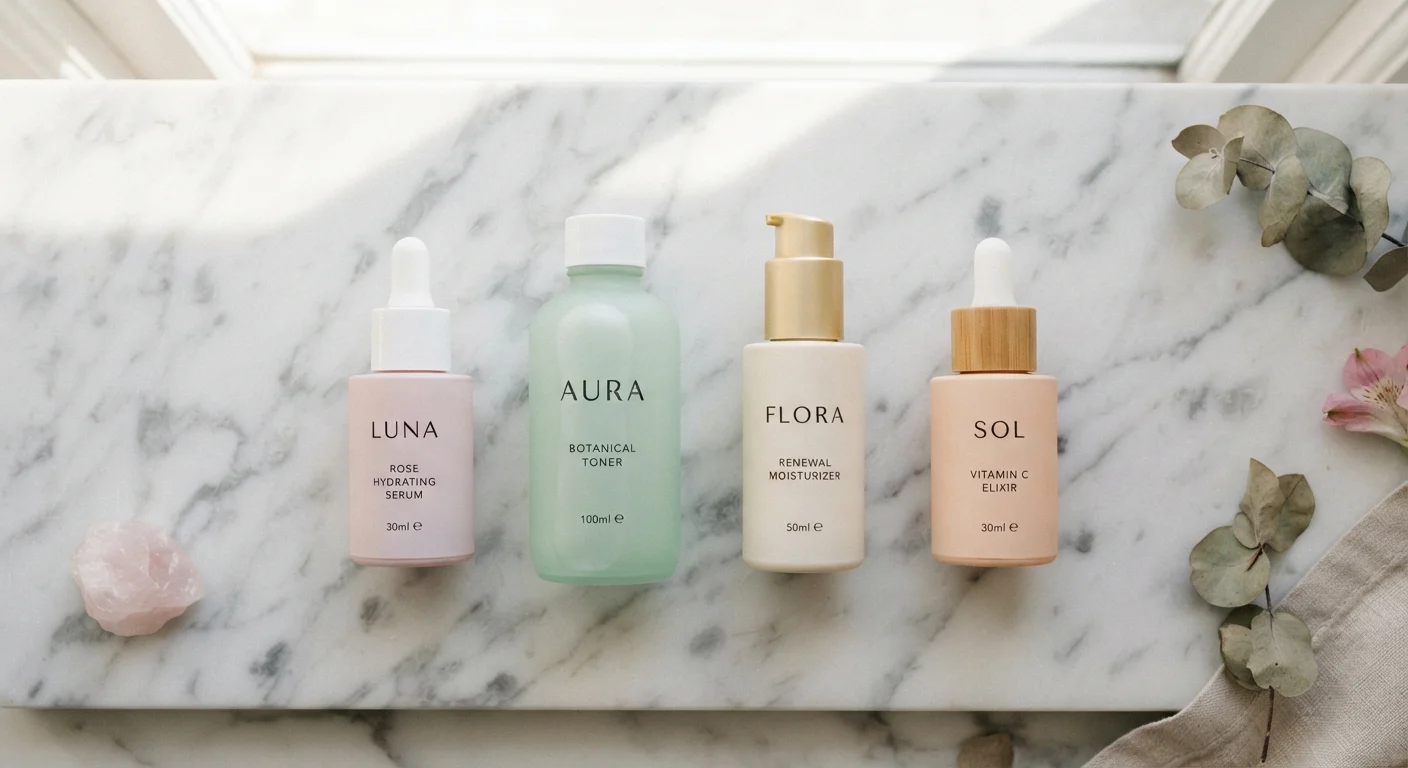
Skincare shelves — both physical and online — are full of products promising transformative results. It's tempting to collect serums, oils, essences, and masks with the logic that stacking benefits will fast-track better skin. In practice, the opposite is often true.
When your skin receives too many new inputs at once, it can't tell you which ones are helping and which are causing problems. Irritation, breakouts, or dryness become impossible to trace back to a source. Understanding what each step actually achieves is the foundation for building something that genuinely works — not just something that looks thorough.
60%+
Skin barrier disruption from over-exfoliation
Dermatology research consistently identifies excessive exfoliation as one of the leading causes of compromised skin barrier function in people with self-managed routines.
4–6 weeks
Minimum time to fairly evaluate a new product
Skin cell turnover cycles typically take around 28 days, meaning results from a new product often can't be assessed accurately in less than four to six weeks.
Common Mistakes That Overload Your Skin
Most product overload isn't intentional — it builds up gradually, one well-reviewed item at a time. The mistakes below are among the most common, and each one is entirely avoidable once you know what to look for.
Adding new products every week without giving existing ones time to work.
Why it happens: Social media and marketing create constant pressure to try the latest launches, making patience feel unproductive.
Layering active ingredients that conflict with each other, such as vitamin C and certain chemical exfoliants used together.
Why it happens: Beginners often don't realise that combining potent actives can destabilise them or overwhelm the skin's barrier.
Treating a complex multi-step routine as inherently more effective than a simple one.
Why it happens: There's a widespread assumption that more effort equals better results, fuelled by elaborate routines shown online.
Applying multiple products without understanding what each one actually does.
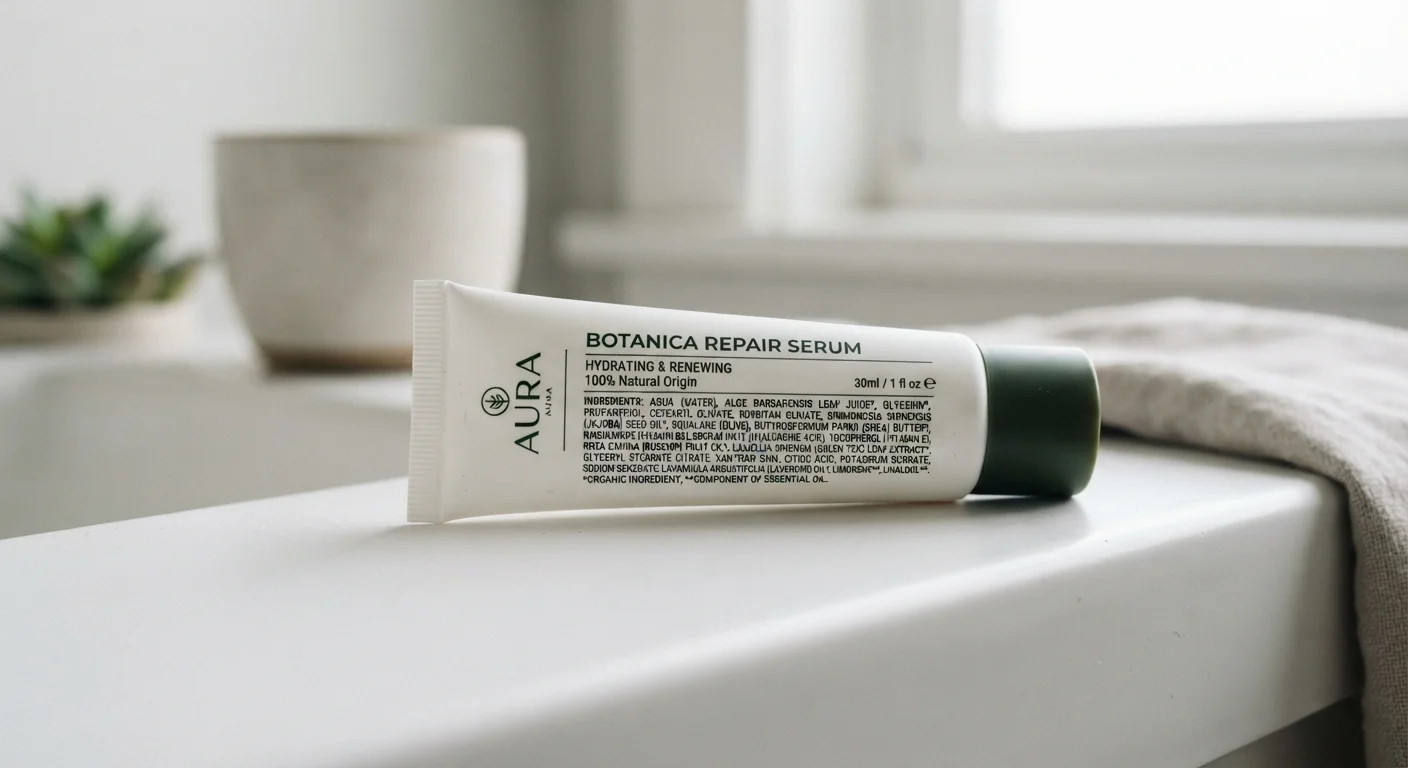
Why it happens: Ingredient lists are confusing for newcomers, and it's easy to buy products based on appealing packaging or vague claims.
Over-exfoliating by using multiple exfoliating products in the same routine.
Why it happens: Exfoliating products — including some cleansers, toners, serums, and masks — aren't always obviously labelled, so doubling up happens easily.
If your skin is already showing signs of sensitivity or reactivity, our guide to building a routine around sensitive or reactive skin walks through how to scale back carefully without losing progress.
How to Simplify Without Starting From Scratch
Streamlining doesn't mean throwing everything away. Start by listing every product you currently use and what it's supposed to do. If two products share a purpose — say, two hydrating serums — eliminate one.
Next, check your active ingredients. Layering products in the correct order matters, but so does ensuring they don't conflict. Vitamin C, retinoids, and acid exfoliants are all valuable — just not always together, or all at once for a beginner.
Don't Diagnose Skin Reactions Yourself
If you experience persistent redness, swelling, burning, or unusual breakouts after changing your routine, stop using the new products and consult a dermatologist. What looks like a routine reaction may sometimes signal an allergy or underlying condition that needs professional assessment. General skincare information is not a substitute for personalised medical guidance.
Once you've reduced your routine to its essentials, tracking what's actually working becomes much more straightforward. A simple journal noting daily product use and any skin changes can reveal patterns within a few weeks.
This article is for informational purposes only and does not constitute medical or dermatological advice. If you're experiencing persistent skin concerns, consult a qualified dermatologist or healthcare professional.