Why Routine Evaluation Matters
Most people build a skincare routine by adding products over time — a cleanser here, a serum there — without ever pausing to ask which steps are actually making a difference. The result is often a cluttered shelf, confused skin, and wasted money.
Evaluating your routine systematically gives you real answers. It helps you tell the difference between a product that's quietly doing its job and one that's doing nothing at all — or worse, causing problems. This checklist walks you through what to look for, when to look, and how to record what you find.
If you've ever used the same logic to assess other habits, you might recognise a similar principle at work. Just as tracking spending helps you see where money is really going (see our guide to tracking spending for a comparable method), auditing your routine reveals patterns you'd never notice day to day.
What You'll Need Before You Start
You don't need expensive tools. The goal is a consistent record — not a laboratory.
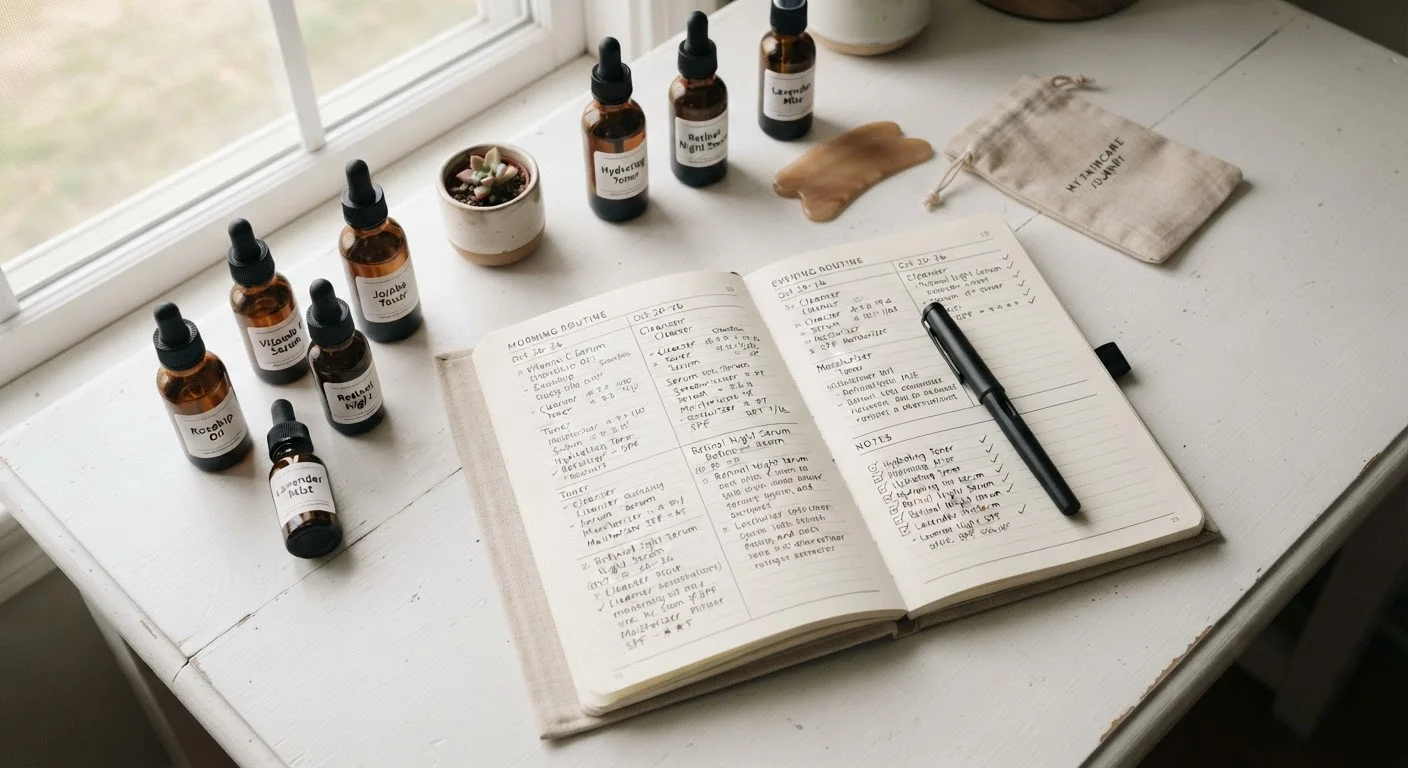
Notes app or small notebook
Record daily or weekly skin observations so you have data to look back on.
Camera or smartphone
Take consistent baseline photos in natural light to compare skin changes over time.
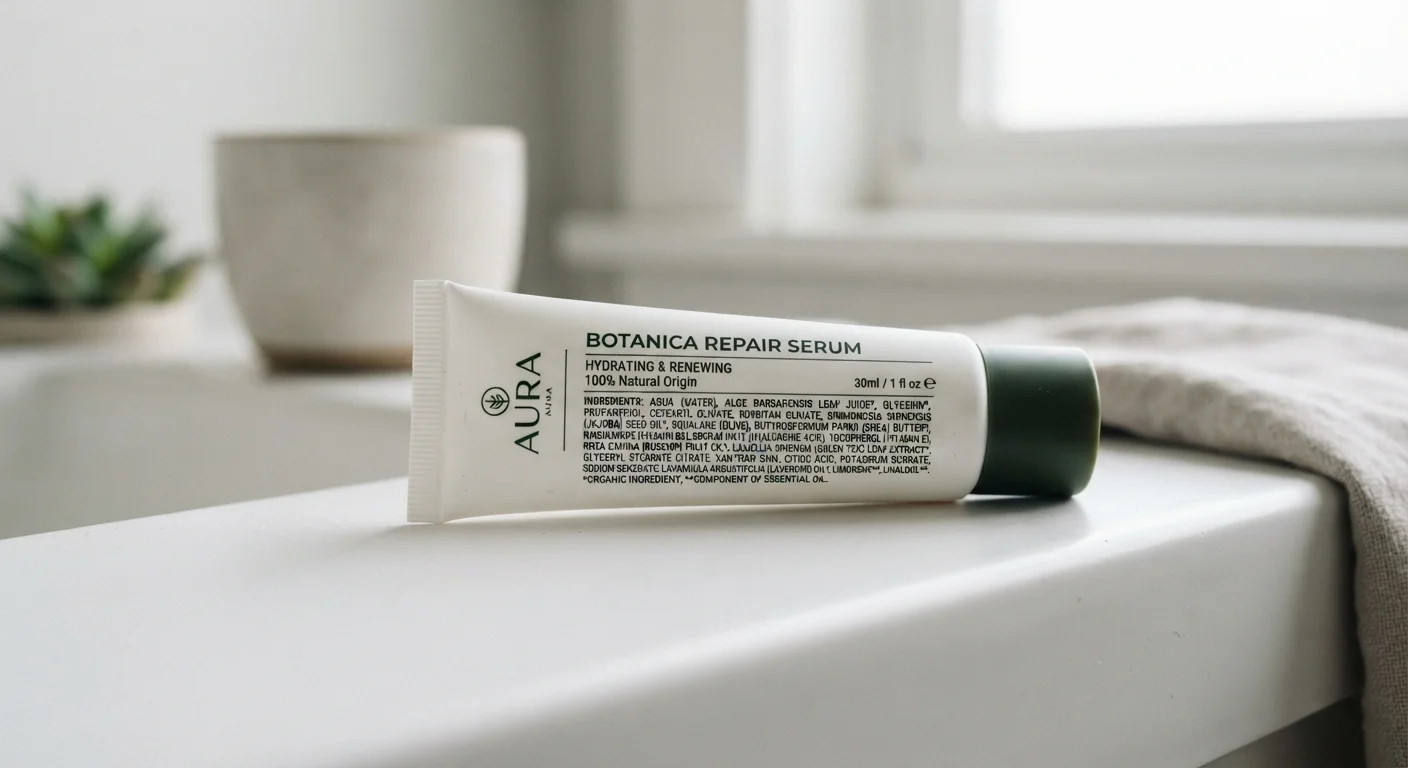
Product ingredient labels
Check for active ingredients so you can spot overlaps or potential irritants.
Simple calendar or habit tracker
Track how often you actually use each product versus how often you intend to.
Once you have these basics ready, work through the checklist below in order. Rushing the process or skipping the observation period is the most common mistake beginners make.
The Routine Audit Checklist
Work through each group carefully. Some items take only a few minutes; others require you to observe your skin over several days or weeks before you can answer honestly.
Preparation
Timing and consistency check
Skin observation
Product-by-product review
Decision and next steps
Stop Use Immediately If You Experience a Reaction
Burning, swelling, hives, or severe redness are not normal adjustment responses — they are signs of an allergic or adverse reaction. If you experience any of these symptoms after applying a product, discontinue use right away and rinse the area with cool water. Consult a healthcare professional or dermatologist if symptoms persist or are severe. Do not continue using a product in the hope that the reaction will settle.
If your skin is sensitive or reactive, a slower, more cautious approach is especially important. Our guide to building a routine for sensitive skin covers how to introduce products with minimal risk.
Reading Your Results and Deciding What to Do Next
Once you've worked through the checklist, you'll likely fall into one of three positions: your routine is working well and needs only minor tweaks; one or two products are clearly not earning their place; or you're experiencing a reaction and need to simplify immediately.
Don't Pull Everything at Once
If you suspect multiple products are causing issues, resist the urge to remove them all simultaneously. Stripping your routine to the bare minimum — typically a gentle cleanser and a basic moisturiser — and reintroducing products one at a time is the only reliable way to identify what's causing a problem. Removing everything at once gives you no useful information.
Bear in mind that skin responds to far more than just products. Sleep quality, stress levels, hydration, and seasonal changes all influence how your skin looks and feels. The same logic applies to other wellness habits — our wind-down routine guide and the pre-routine hair health check both use a similar observation-first framework.
Routine evaluation isn't a one-time exercise. Repeat this checklist every two to three months, or any time you introduce a new product or notice a significant skin change. Building this habit means you'll spend less time guessing and more time actually getting results.
This article is for general informational purposes only and is not medical or dermatological advice. If you experience persistent irritation, unusual reactions, or skin concerns that worry you, consult a qualified healthcare professional or dermatologist.