Why the Ingredient List Actually Matters
Flip over almost any shampoo, conditioner, or styling product and you'll find a dense list of chemical-sounding names in tiny print. Most of us skip right past it — but that label holds the answer to why a product works brilliantly on one person's hair and does nothing (or worse) for someone else's.
Hair products are formulated with specific functions in mind: cleansing, conditioning, sealing, strengthening, or defining. Each function is driven by particular ingredient categories. Once you recognize those categories, you stop shopping by marketing language and start choosing by what your hair actually needs. Knowing your hair type and hair porosity makes this even easier, since certain ingredients suit some hair profiles far better than others. The six ingredient categories below are the ones worth understanding first.
Ingredient Order Follows a Universal Rule
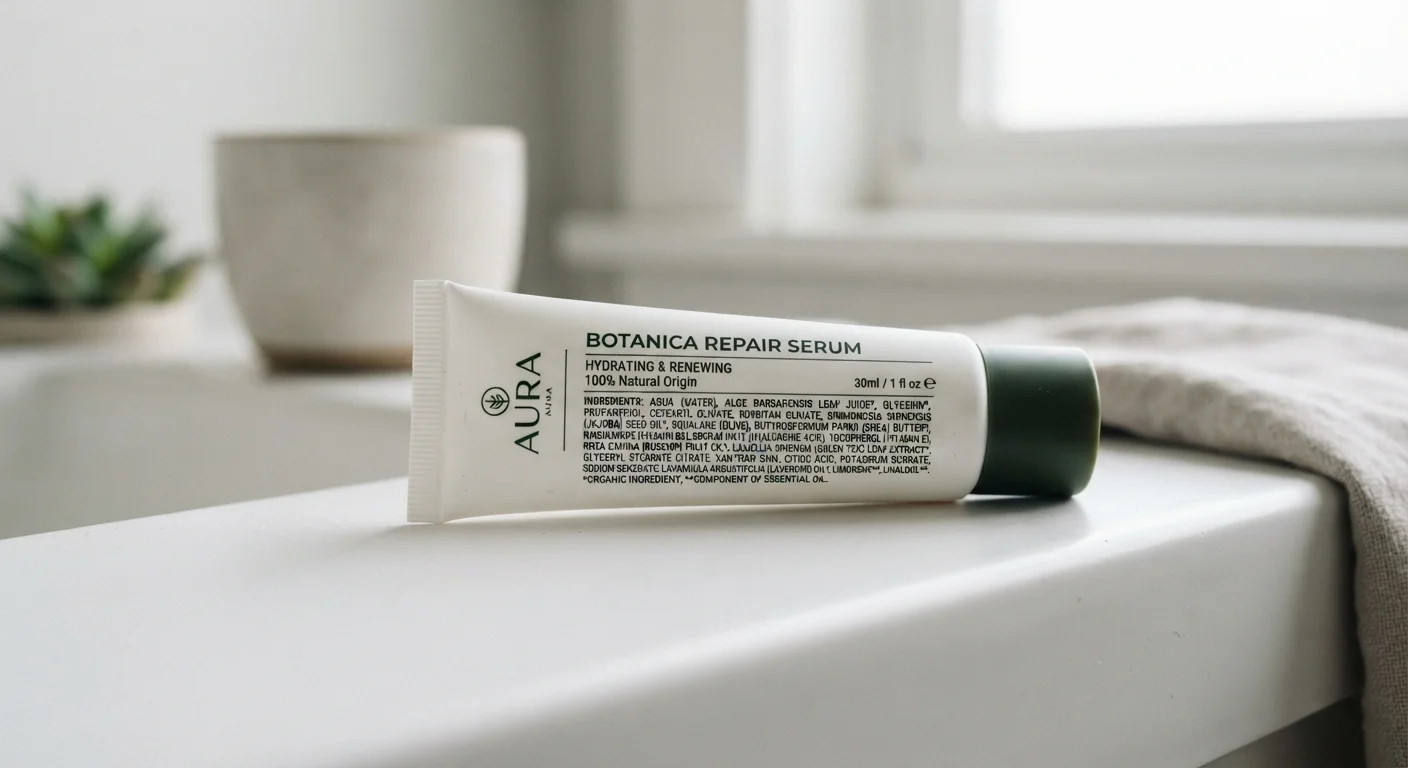
In the U.S. and most international markets, cosmetic ingredient lists follow INCI (International Nomenclature of Cosmetic Ingredients) naming conventions and must be listed in descending order of concentration. This means the ingredient listed first is present in the greatest amount. Understanding this order is the single most useful tool for quickly interpreting any product label.
Six Ingredient Categories to Know
Sulfates — the cleansing agents
Sulfates such as sodium lauryl sulfate (SLS) and sodium laureth sulfate (SLES) are surfactants — molecules that attract both water and oil, allowing them to lift dirt, sebum, and product buildup from the hair and scalp. They're efficient, which is why they're common in traditional shampoos.
The trade-off is that they can also remove the natural oils your scalp produces to protect and moisturize the hair fiber. For people with dry, chemically treated, or highly textured hair, this can leave strands feeling stripped. Sulfate-free shampoos use milder surfactants (like coco-glucoside or decyl glucoside) that cleanse more gently but may require a bit more lathering effort.
Sulfates clean effectively but can strip natural oils from dry or color-treated hair.
Silicones — the smoothing agents
Silicones form a thin, flexible film over the hair shaft, which reduces friction, blocks humidity, and gives hair a smooth, shiny appearance. You'll spot them by names ending in -cone, -conol, or -siloxane — dimethicone and cyclomethicone are two of the most common.
They divide opinion because not all silicones behave the same way. Water-soluble silicones (such as PEG-modified versions) rinse out easily. Non-water-soluble silicones (like dimethicone) provide longer-lasting smoothing but can accumulate on the hair over time, eventually leaving it feeling heavy or dull. If you use non-water-soluble silicones regularly, a clarifying or sulfate shampoo is typically needed to fully remove them.
Non-water-soluble silicones can build up over time, requiring a clarifying shampoo to remove.
Humectants — the moisture attractors
Humectants draw water molecules from the surrounding environment (or from deeper layers of the hair shaft) toward the outer surface of the hair, helping it stay hydrated. Common examples include glycerin, hyaluronic acid, panthenol (pro-vitamin B5), and aloe vera.
They work best in moderately humid environments. In very dry climates or low-humidity indoor air, humectants can pull moisture from within the hair itself rather than from the air, potentially leaving strands drier than before. Pairing a humectant-rich product with a sealing ingredient (like an oil or butter) helps lock in the moisture they attract.
In low-humidity conditions, humectants can draw moisture out of hair rather than into it.
Emollients and oils — the sealers
Oils and butters — such as argan oil, jojoba oil, shea butter, and coconut oil — function as emollients. They coat or penetrate the hair shaft to smooth the cuticle, reduce breakage from friction, and seal moisture in. Some oils (notably coconut oil) are small enough to partially penetrate the cortex, the inner layer of the hair fiber, while others primarily sit on the surface.
Heavier butters and oils can weigh down fine or low-porosity hair if used in excess, since the cuticles on low-porosity hair lie tightly flat and already resist moisture entry. Lighter oils like argan or grapeseed tend to work across a wider range of hair types.
Heavier oils and butters can weigh down fine or low-porosity hair when over-applied.
Proteins — the strengtheners
Hair is largely composed of a protein called keratin, and protein-based ingredients — including hydrolyzed keratin, hydrolyzed wheat protein, silk amino acids, and rice protein — temporarily fill gaps and weak points in the hair shaft. This can make hair feel stronger, reduce breakage, and improve elasticity.
The key word is temporarily; proteins bond to the hair until the next wash. Overuse of protein-heavy products can lead to what's commonly called protein overload — hair that feels stiff, brittle, or straw-like. People with fine or high-porosity hair often respond well to regular protein use, while those with naturally coarser or protein-sensitive hair may do better alternating protein treatments with moisture-focused products.
Protein overload is real — too much too often can leave hair feeling brittle and straw-like.
Preservatives — the stability agents
Preservatives prevent microbial growth in water-based formulas, which would otherwise become a breeding ground for bacteria and mold within days. Common preservatives include phenoxyethanol, sodium benzoate, and various paraben compounds (methylparaben, propylparaben).
Parabens attracted controversy in the early 2000s over concerns about hormonal disruption, leading many brands to reformulate. Regulatory bodies in most regions have reviewed the evidence and generally permit low concentrations of specific parabens in cosmetics, though debates continue in some scientific circles. Preservative-free and naturally preserved products exist but typically have shorter shelf lives and require more careful storage to remain safe.
Preservatives are essential for safety in water-based formulas — a product without them spoils quickly.
How to Scan a Label Quickly
Ingredients are listed in descending order by concentration, so the first five or six entries make up the bulk of the formula. Focus your attention there first. Functional actives (proteins, specific oils, humectants) often appear further down the list but are still present in meaningful amounts. This same descending-order rule applies across cosmetic categories — it's the same convention you'd find when decoding a skincare ingredient list.
Putting It All Together
No single ingredient is universally good or bad — context is everything. A sulfate-based cleanser may be exactly right for someone with fine, oily hair who heat-styles frequently (see how heat tools affect your hair), while a sulfate-free formula is a better fit for someone with dry, coily strands. Reading ingredient lists is a skill that compounds over time: the more you notice patterns between what's in a product and how your hair responds, the more confidently you can build a routine that genuinely works. If you've found label-reading useful here, the same logic applies to decoding skincare ingredients too.
This article is for general informational and educational purposes only. Individual hair and scalp conditions vary; consult a licensed trichologist or dermatologist if you have persistent scalp concerns or hair loss.