Why First-Timer Myths About Southeast Asia Persist
Southeast Asia — spanning countries from Thailand and Vietnam to Indonesia and the Philippines — is one of the world's most popular travel destinations. Yet it arrives in many travelers' imaginations pre-loaded with oversimplifications: it's dirt cheap, endlessly hot, chaotic, and a little dangerous. These impressions come from outdated guidebooks, social media highlight reels, and well-meaning friends who visited a single city a decade ago.
The reality is a region of extraordinary diversity — geographically, economically, and culturally. Getting those nuances right before you arrive makes the difference between a frustrating trip and a genuinely eye-opening one. Below, we unpack the most persistent myths so you can plan with clear, accurate expectations.
Myth
Southeast Asia is incredibly cheap, so I don't need to budget carefully.
Fact
Costs vary enormously by country and city — Singapore rivals Western European prices, and tourist hotspots across the region have risen sharply in recent years.
The "cheap travel" reputation is partly earned and partly outdated. Countries like Cambodia, Laos, and Myanmar can still offer low-cost travel for budget-conscious visitors. But Singapore is consistently ranked among the world's most expensive cities. In Bali, Phuket, and other high-traffic tourist zones, accommodation, dining, and tours have increased significantly in price over the past decade. Budget carefully for the specific destinations on your itinerary, not for the region as a whole.
Myth
It's hot everywhere, all year round.
Fact
Southeast Asia spans multiple climate zones; highland areas can be genuinely cold, and monsoon seasons bring heavy rain and cooler temperatures to large parts of the region.
Northern Vietnam in December and January can be cold enough to require a jacket. The hill stations of Malaysia (like Cameron Highlands) and northern Thailand sit at elevations where temperatures can drop to around 10°C (50°F) at night. Monsoon seasons — which vary by location — bring prolonged heavy rain that can disrupt outdoor plans significantly. Research the climate of each specific destination and the time of year you plan to visit before packing.
Myth
Southeast Asia is dangerous, especially for solo travelers.
Fact
Many countries in the region consistently rank as safe destinations for travelers, including solo travelers; crime targeting tourists is typically opportunistic rather than violent.
Countries like Japan, Singapore, and Vietnam regularly appear in global travel safety indices as low-crime destinations. The risks most commonly encountered — bag snatching, taxi overcharging, card skimming — are the same opportunistic nuisances found in tourist areas worldwide. Solo female travelers are a significant and growing demographic in the region. Sensible habits, such as not flashing valuables and using vetted transport options, reduce risk considerably. As with any destination, checking your government's current travel advisory before departure is always wise.
Myth
Street food will make you sick, so stick to restaurants.
Fact
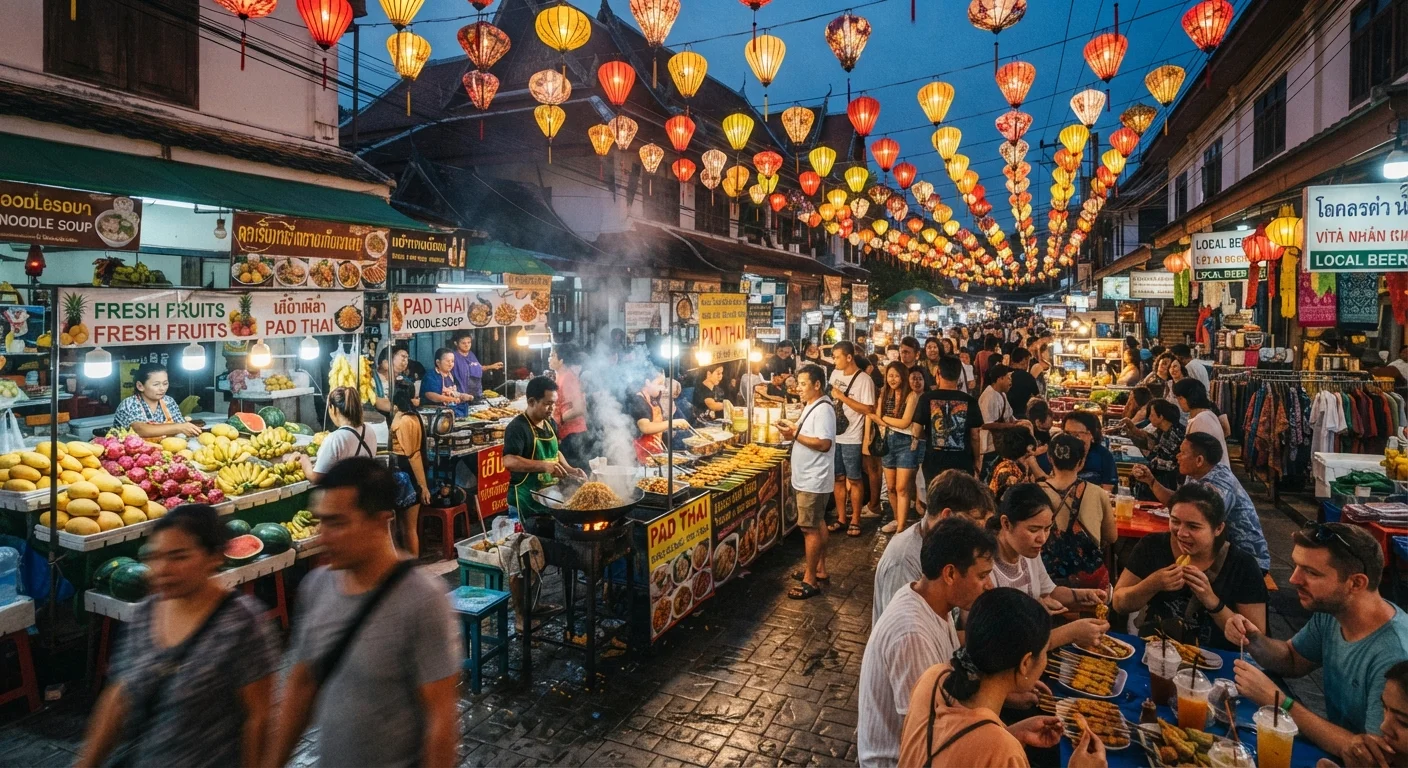
Street food is a cornerstone of Southeast Asian culinary culture and is generally safe when vendors are busy and food is freshly cooked to order.
High-turnover street stalls — those with queues of locals — are often safer than quiet restaurants because ingredients are fresh and cooked quickly at high heat. The World Health Organization notes that basic food safety indicators (food cooked to order, clean utensils, busy stall) apply globally. Avoiding raw foods, pre-cut fruit sitting in the sun, and dishes that look like they've been sitting for hours is good practice. Skipping street food entirely means missing some of the most celebrated eating experiences the region offers.
Myth
Southeast Asia is one culture — the same customs apply everywhere.
Fact
The region encompasses dozens of distinct ethnicities, religions, and cultural systems; what is respectful in one country may be irrelevant or even inappropriate in another.
Thailand is predominantly Theravada Buddhist, with significant expectations around temple dress and conduct. Indonesia is the world's largest Muslim-majority country, with its own etiquette around dress, prayer times, and behavior during Ramadan. The Philippines has deep Catholic traditions alongside a mosaic of Indigenous cultures. Assuming a single rulebook applies across the entire region leads to genuine cultural missteps. Researching customs country by country — and even region by region within a country — is a sign of respect, not over-preparation.
Planning Smarter for Your First Visit
Once the myths are out of the way, practical preparation gets a lot easier. Budget realistically for the specific countries on your itinerary — Singapore and Bali's popular southern resorts will require a meaningfully different budget than rural northern Vietnam. Check seasonal weather patterns for each destination individually rather than assuming a single forecast covers the whole region.
On the safety front, sensible habits go a long way. Practical solo travel safety habits — like sharing your itinerary with someone at home and staying alert in unfamiliar neighborhoods — apply here as much as anywhere. Likewise, understanding how to manage your money abroad is essential; keeping your money safe while travelling covers cards, cash, and the scams most commonly targeting tourists in the region.
Finally, invest a little time in understanding the specific cultural expectations of each country you'll visit. The customs of Buddhist Thailand differ from Muslim-majority Indonesia, which differ again from the Chinese-influenced cities of Malaysia. Myths about cultural etiquette that travelers keep getting wrong is a great starting point for separating real customs from recycled stereotypes.
Don't Assume One Weather Forecast Fits All
Booking flights and packing based on a generic 'Southeast Asia weather' search is a common first-timer mistake. The Philippines and Vietnam can be experiencing typhoon season while northern Thailand is dry and mild. Look up the specific seasonal patterns for each country and city on your itinerary, and build flexibility into your plans where possible.
This article provides general travel information for educational purposes. Always verify entry requirements, health advisories, and local laws with official government sources and your country's foreign affairs department before travelling.