What Each Account Is Actually For
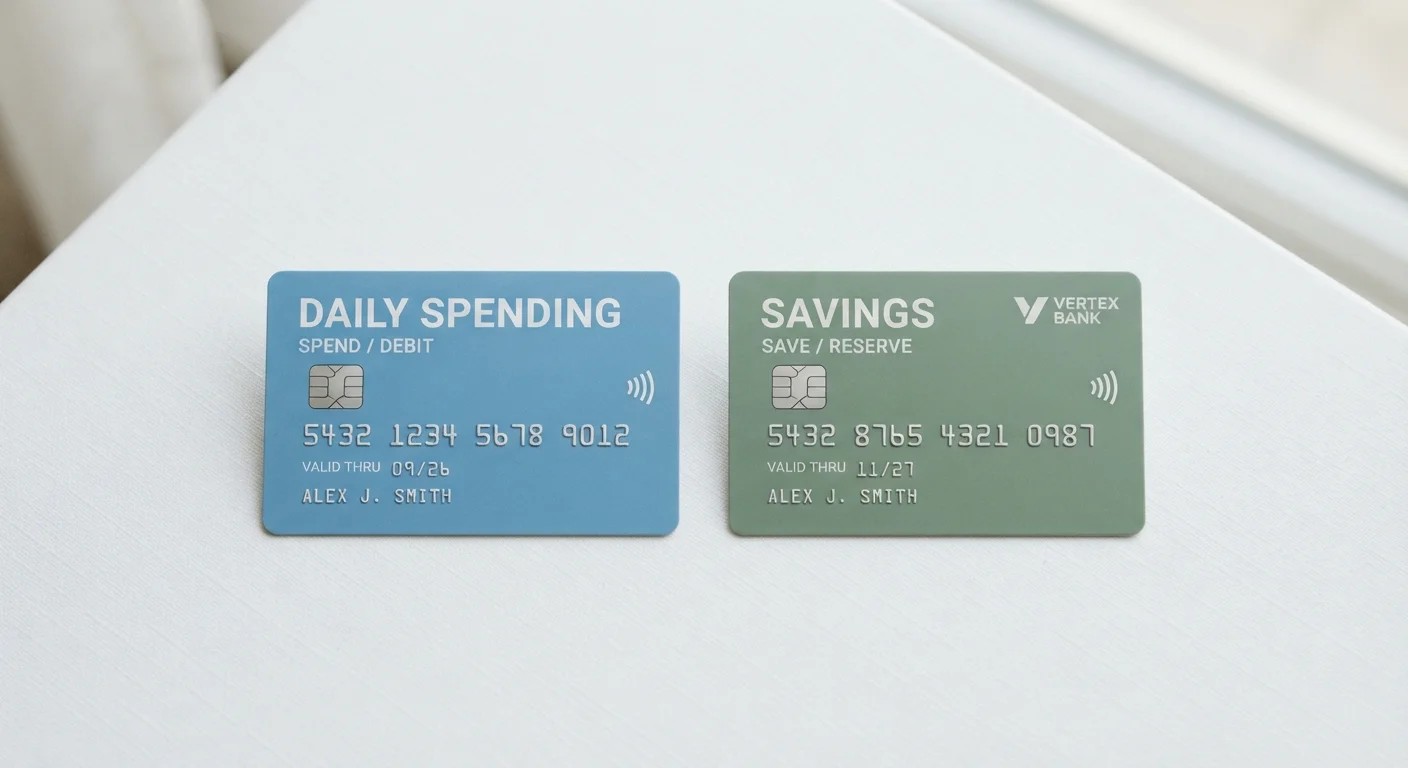
At their core, the two account types are built around different jobs. A current account (sometimes called a checking account in the US) is designed for movement — money flows in and out regularly. Your paycheck lands here, your rent leaves here, and your debit card draws from here every time you pay for something.
A savings account, by contrast, is designed for stillness. You deposit money and leave it alone, at least for a while. In exchange for that patience, the bank typically pays you interest — a percentage of your balance added over time. The longer money sits and the higher the rate, the more it earns.
Think of it this way: your current account is your financial workhorse. Your savings account is where you put money you want to protect and grow. For a broader look at how these two fit into your overall financial picture, see Your Financial Starting Point.
How They Differ in Practice
The practical differences show up quickly once you start using both types.
| Criterion | Current Account | Savings Account |
|---|---|---|
| Primary purpose | Daily spending and bill payments | Storing and growing money over time |
| Interest earned | Rarely, or very low | Yes, typically higher rates |
| Transaction frequency | Unlimited, frequent | Limited withdrawals in some accounts |
| Debit card access | Standard feature | Not usually included |
| Overdraft facility | Commonly available | Rarely available |
| Best suited for | Wages, bills, everyday purchases | Emergency funds, saving goals |
One important note on withdrawals: some savings accounts limit how many withdrawals you can make per month. This is intentional — it encourages you to leave the money alone. Current accounts have no such restriction; you can move money in and out as many times as you need.
Overdraft facilities — where the bank lets you spend slightly beyond your balance — are common on current accounts but rare on savings accounts. That feature reflects the core purpose: current accounts are built to handle real-time cash flow, including the occasional shortfall.
Interest: The Key Advantage of a Savings Account
The headline benefit of a savings account is interest. When a bank holds your money, it uses it (to lend to other customers, for example), and in return it pays you a fee expressed as a percentage rate. A higher rate means your balance grows faster.
0%
Typical interest on current accounts
Many standard current accounts pay no interest at all on balances held, making them inefficient for storing spare cash long-term.
3–5x
Savings rate premium over current accounts
High-yield savings accounts have historically offered meaningfully higher rates than standard current accounts, though actual rates vary by provider and economic conditions.
Interest rates on savings accounts vary significantly between providers and account types. Some accounts offer higher rates in exchange for locking your money away for a fixed term (called a fixed-rate or term deposit account). Others offer instant access but at a lower rate. Understanding how rates are expressed helps you compare offers fairly — our guide to interest rates on savings accounts explains the difference between APR and AER in plain terms.
Current accounts rarely pay meaningful interest, if they pay any at all. That's why leaving large amounts of spare cash sitting in a current account is generally considered an inefficient use of money.
Using Both Accounts Together
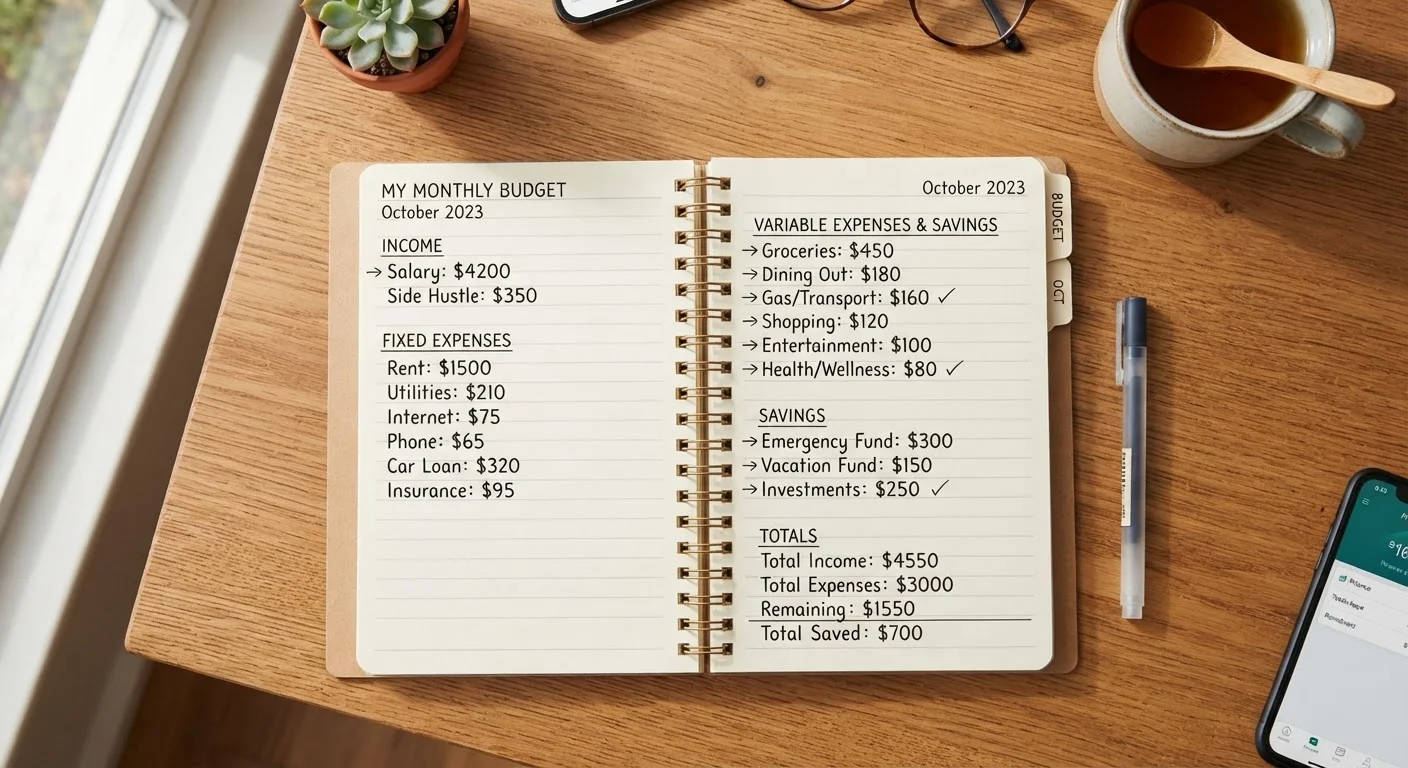
Most financial educators recommend holding both account types simultaneously, each doing what it does best. A common approach: your income goes into your current account, you pay all your regular expenses from it, and then you transfer a set amount into your savings account on or around payday — before you have a chance to spend it.
This "pay yourself first" habit is one of the most widely cited strategies for building savings consistently. It removes the temptation to spend what you might otherwise mean to save. For practical help setting this kind of system up, the Budgeting Basics hub is a good starting point, and Budgeting Terms Every Beginner Should Know can help you get familiar with the language along the way.
What About Online-Only Banks?
Many digital and online-only banks offer both account types, sometimes with higher savings rates than traditional high-street banks due to lower operating costs. The core difference between account types remains the same regardless of whether the bank has physical branches. Always verify that any bank you use is covered by your country's deposit protection scheme before opening an account.
Once you understand the basics of interest, it's also worth exploring how compound interest works — the process by which interest earns interest over time. It's a concept that makes starting to save sooner genuinely valuable. Our explainer on how compound interest works walks through it with clear examples.
This article is for general informational purposes only and does not constitute personalised financial advice. For guidance specific to your circumstances, consider speaking with a qualified financial adviser.