Why Nutrition Myths Are So Stubborn
Nutrition is one of the most misunderstood areas of everyday health. Conflicting headlines, social media trends, and well-meaning advice passed down through families all contribute to a landscape where myths thrive alongside genuine science. For someone with no dietary background, distinguishing fact from fiction can feel nearly impossible.
What makes nutrition myths especially persistent is that many contain a grain of truth — or at least sound plausible. The myth that eating fat makes you fat, for example, follows an intuitive logic. But intuitive logic and scientific evidence are very different things. Below, we break down some of the most common nutrition misconceptions and explain what the research actually shows. As with any health topic, this is general educational information — consult a qualified healthcare professional or registered dietitian before making significant changes to your diet.
If you enjoy busting misconceptions, you might also find our piece on mental health myths worth reading.
The Myths, Corrected
The following myth-and-fact pairs cover some of the most deeply rooted misconceptions in everyday nutrition thinking. Each one is addressed with a clear correction and an explanation grounded in established health research.
Myth
Carbohydrates make you gain weight, so cutting them out is the key to losing fat.
Fact
Carbohydrates alone do not cause weight gain. Excess calorie intake relative to expenditure — from any macronutrient — is what drives fat storage.
The idea that carbs are uniquely fattening became popular through low-carb diet trends, but it oversimplifies human metabolism. Carbohydrates are the body's preferred fuel source, and foods like whole grains, legumes, and fruit deliver fiber, vitamins, and minerals alongside energy. Research consistently shows that total dietary pattern and calorie balance — not any single macronutrient — determine body weight outcomes. Highly refined carbs (white bread, sugary drinks) can contribute to overconsumption, but that's a quality issue, not a carbohydrate issue.
Myth
Detox diets and cleanses flush toxins from your body and give your organs a much-needed reset.
Fact
The liver, kidneys, and other organs continuously remove waste products. No food, juice, or supplement has been shown to meaningfully enhance this process in healthy people.
The term "detox" is used loosely in wellness marketing but has no precise clinical definition when applied to commercial diets. In medical settings, detoxification refers to treating acute poisoning or substance dependence — a very different context. In healthy individuals, the liver metabolizes substances and the kidneys filter blood around the clock. There is currently no credible evidence that juice cleanses, herbal teas, or fasting protocols accelerate or improve these natural processes. If you're concerned about organ health, a doctor can assess that properly.
Myth
Eating fat makes you fat — a low-fat diet is always healthier.
Fact
Dietary fat is an essential nutrient. The type of fat consumed matters far more than total fat intake, and low-fat products are not automatically healthier.
The low-fat dietary guidance that dominated the late 20th century has been substantially revised. Unsaturated fats — found in foods like olive oil, nuts, seeds, and avocados — are associated with cardiovascular and metabolic health benefits. Trans fats (now largely removed from food supplies due to regulation) and excessive saturated fats carry greater risks. Many commercial "low-fat" products replace fat with added sugar to maintain palatability, which does not make them a healthier choice. Fat also supports fat-soluble vitamin absorption (vitamins A, D, E, and K) and satiety.
Myth
Skipping meals slows your metabolism and forces your body into "starvation mode."
Fact
Missing a single meal does not meaningfully alter your metabolic rate. Sustained, severe calorie restriction over time can reduce metabolism, but occasional meal skipping does not trigger this response.
"Starvation mode" is a real physiological phenomenon — but it refers to the body's adaptive response to prolonged, significant calorie deprivation, not to skipping breakfast. The metabolic slowdown associated with very-low-calorie diets reflects the body adjusting to a new energy equilibrium, and it develops over weeks, not hours. That said, skipping meals can affect hunger hormone levels and decision-making around food, which may make it harder to eat in line with your goals. Individual responses vary considerably — this is worth discussing with a registered dietitian if it concerns you.
Myth
Superfoods like açaí, spirulina, or chia seeds have unique health powers that ordinary foods don't.
Fact
"Superfood" is a marketing term, not a scientific category. Many so-called superfoods are nutritious, but they're not uniquely transformative compared with other whole foods.
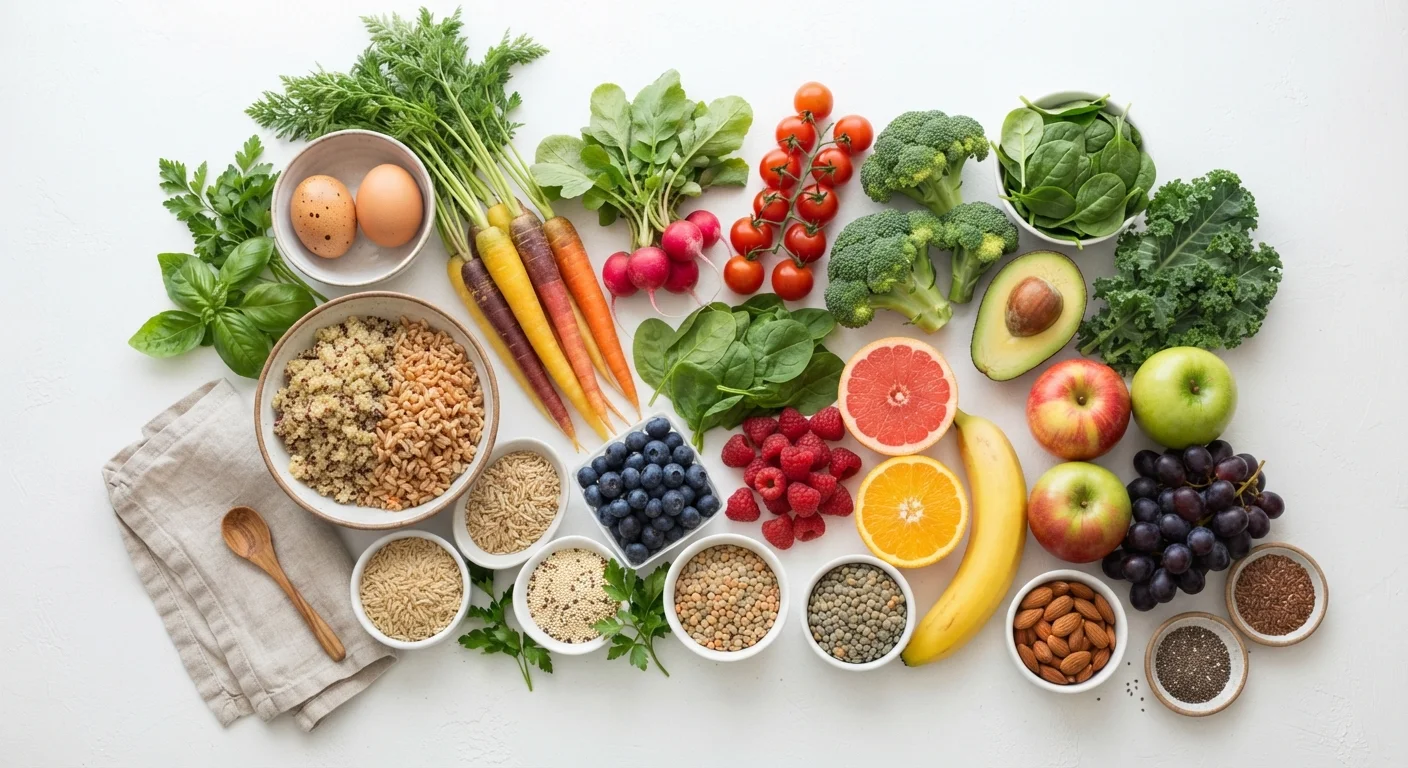
Blueberries, kale, and chia seeds are genuinely nutritious — but so are lentils, carrots, oats, and sardines, which rarely carry a superfood label. The term is largely a commercial and media construct. No single food provides benefits so outsized that it can compensate for an otherwise poor dietary pattern. Nutrition research consistently shows that overall dietary quality — the sum of many food choices over time — predicts health outcomes far better than any individual ingredient. Nutritious eating also doesn't have to be expensive; common everyday foods deliver excellent nutrient density.
These aren't isolated misunderstandings — similar myth-busting applies to exercise, too. See our related article on fitness myths that hold beginners back for more.
What Good Nutrition Actually Looks Like
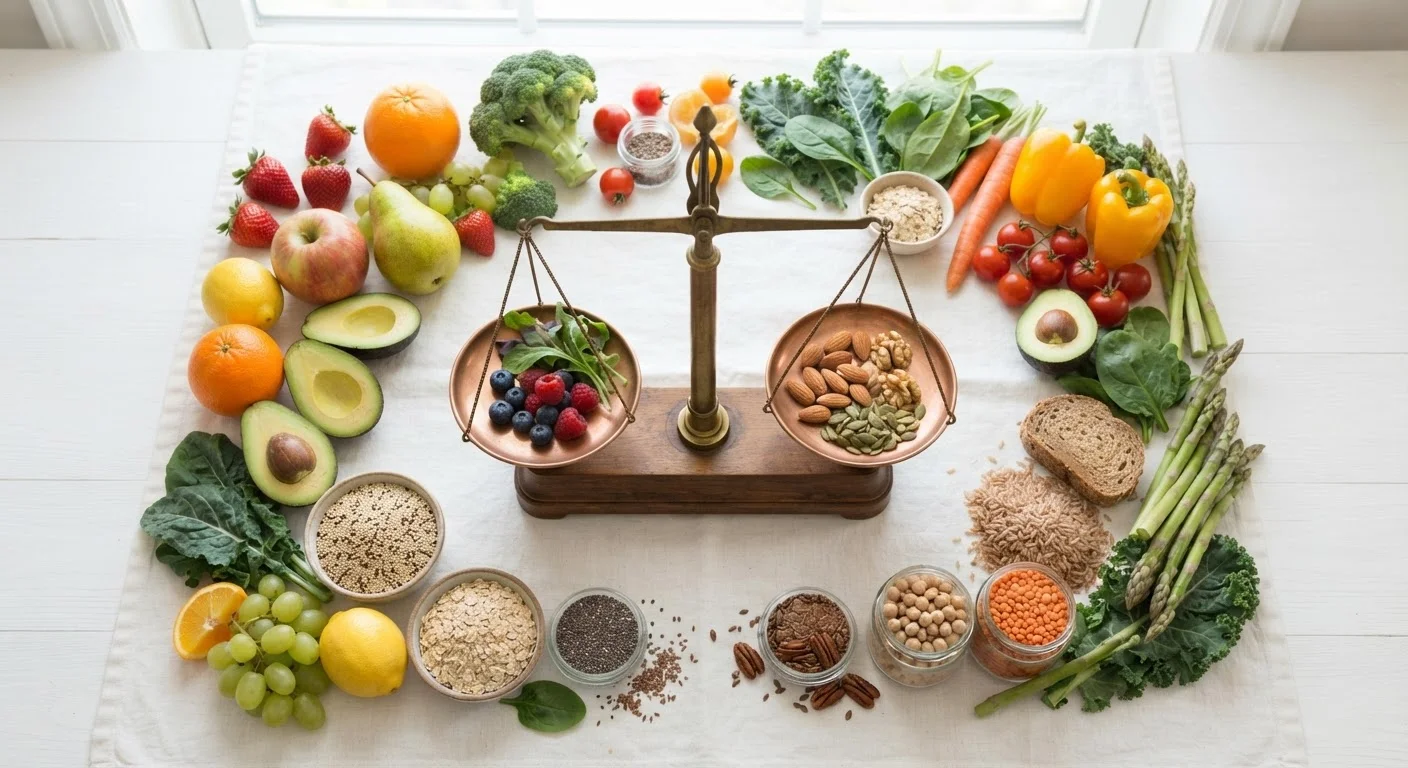
Once the myths are cleared away, a straightforward picture emerges. Decades of nutrition research consistently point toward the same broad principles: eat a variety of whole or minimally processed foods, include plenty of vegetables and legumes, prioritize fiber, and limit foods high in added sugars and ultra-processed ingredients. No single food group needs to be eliminated, and no single food will rescue an otherwise poor diet.
~80%
Of chronic diseases with dietary links
The World Health Organization estimates that a large proportion of heart disease, stroke, and type 2 diabetes cases are linked to modifiable risk factors including diet.
5 servings
Fruits and vegetables per day
A large 2017 analysis published in The Lancet found that consuming roughly five servings of fruits and vegetables daily was associated with the largest reduction in mortality risk.
57%
Of U.S. calories come from ultra-processed foods
Research published in BMJ Open found that ultra-processed foods make up the majority of calories consumed in U.S. adult diets — a pattern associated with poorer health outcomes.
Affordability is a genuine barrier for many people, but good nutrition doesn't require expensive specialty items. Our guide on eating well on a budget shows how to build a nutritious plate without overspending.
Extreme Dietary Restrictions Carry Real Risks
Eliminating entire food groups without professional guidance can lead to nutrient deficiencies that affect energy, bone density, immune function, and more. If you're considering a significant dietary change — particularly for health reasons — speak with a registered dietitian or your doctor first. This is especially important for children, people who are pregnant or breastfeeding, older adults, and those managing chronic health conditions.
This article is for informational purposes only and does not constitute medical or dietary advice. Always speak with a qualified healthcare professional or registered dietitian before making significant changes to your diet or health routine.