
Why Walking Is the Ideal Starting Point
When people think about getting more active, they often picture intense workouts, gym memberships, or complicated routines. Walking cuts through all of that. It requires no training, no special equipment, and no prior fitness level — which makes it genuinely accessible for almost everyone.
Research consistently links regular walking to a range of health benefits, including improved cardiovascular health, better mood, and reduced risk of certain chronic conditions. It's classified as a moderate-intensity aerobic activity, which means your heart rate rises enough to be beneficial without the stress on joints that higher-impact exercises can cause.
For anyone exploring fitness fundamentals, walking is the most natural entry point — it builds an exercise habit without requiring a dramatic lifestyle overhaul.
What You Need Before Your First Walk
Preparation doesn't need to be elaborate, but a few basics make your walks safer and more comfortable from day one.
Moderate-intensity activity
Exercise that raises your heart rate and breathing noticeably but still allows you to hold a conversation. Brisk walking typically falls into this category.
Habit anchoring
Linking a new behavior — like walking — to an existing daily routine, such as eating breakfast. This makes the new behavior easier to remember and repeat.
Low-impact exercise
Physical activity that puts minimal stress on joints and bones, making it suitable for people of most fitness levels. Walking is a classic low-impact activity.
Progressive overload
Gradually increasing the amount of exercise you do over time so your body keeps adapting without being overloaded all at once.
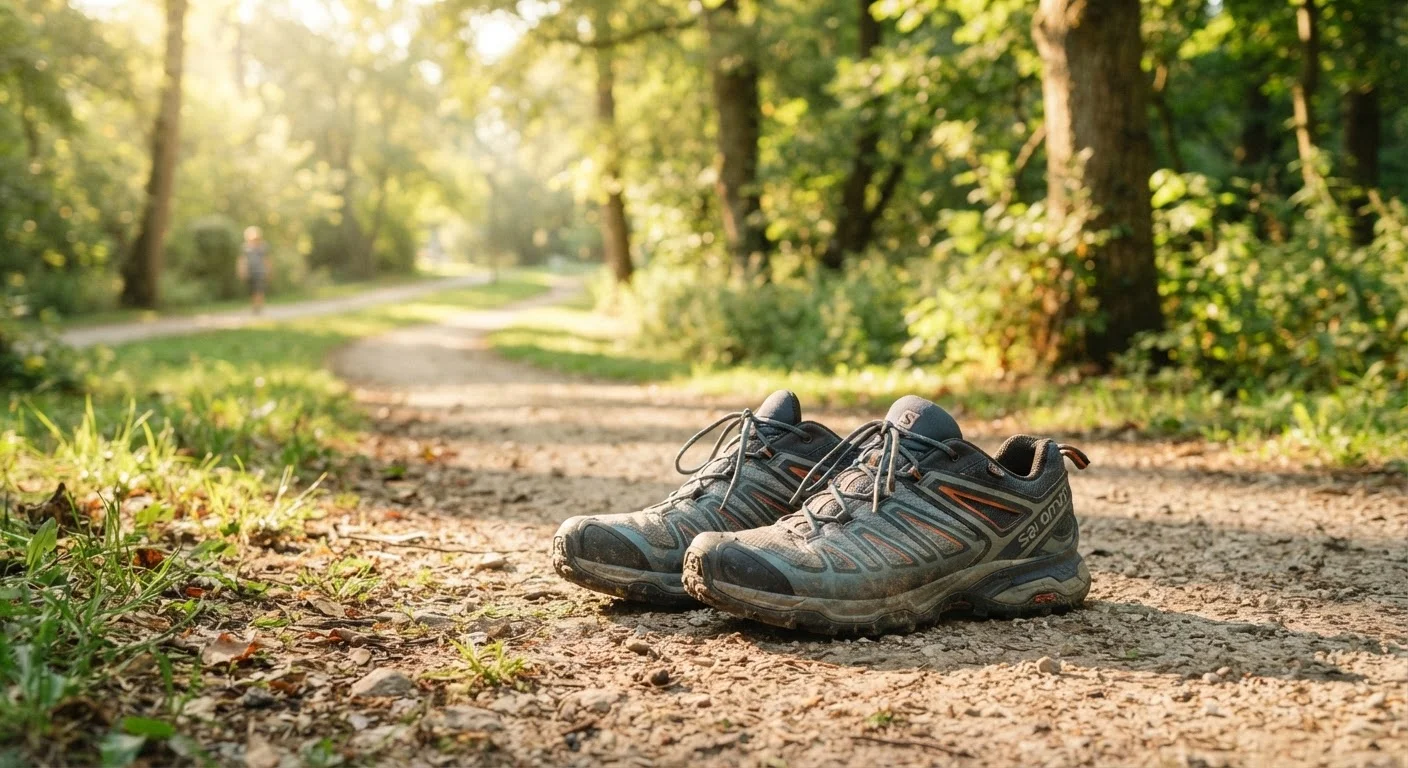
- Footwear: The single most important investment. Look for shoes with cushioning and arch support specifically designed for walking or running. Avoid flat-soled or fashion shoes for anything beyond a very short stroll.
- Comfortable clothing: Breathable, moisture-wicking fabric helps regulate body temperature. Layers work well in cooler weather.
- Water: Staying hydrated matters even on short walks, particularly in warm weather.
- A realistic route: Start somewhere flat, familiar, and safe — a local park, a neighborhood sidewalk, or even a large indoor space.
Before beginning any new exercise routine, it's worth reading a readiness checklist to make sure you've covered the practical basics. If you have any existing health conditions, speak with a healthcare professional before starting.
How to Build Your Walking Habit Step by Step
The most common beginner mistake is starting too ambitiously. A sustainable walking habit is built incrementally, not in a single burst of motivation.
A simple framework that works for most beginners:
- Week 1–2: Walk for 10–15 minutes, three to four days per week. Focus on showing up consistently, not on speed or distance.
- Week 3–4: Add five minutes to each session if the current duration feels comfortable. Rest days remain important.
- Beyond week 4: Continue adding small increments as your body adapts. Most people find a natural rhythm between 20 and 40 minutes per session.
Anchor Your Walk to an Existing Routine
The easiest way to make walking stick is to attach it to something you already do every day. After your morning coffee, before dinner, or during a lunch break are all reliable anchors. You remove the need to decide when to walk — it simply becomes the next step in a sequence you already follow.
Pairing your walk with an existing daily cue — right after your morning coffee, during your lunch break, or after dinner — dramatically improves consistency. Habit research suggests that linking a new behavior to an established one reduces the mental effort required to start.
For a more structured week-by-week framework, see your first month of exercise plan.
Common Beginner Mistakes to Avoid
Understanding what tends to derail new walkers helps you sidestep those patterns early.
Don't Let Early Enthusiasm Lead to Overdoing It
It's common to feel motivated at the start and walk far more than your body is ready for. Doing too much in the first week often leads to soreness, fatigue, or minor injury — all of which can interrupt the habit before it forms. Start shorter and easier than you think you need to, and build from there.
- Doing too much too soon: Soreness after the first few sessions is normal, but significant pain is a warning sign. Increase duration gradually.
- Skipping rest days: Rest is when your body adapts and strengthens. Walking every single day from the start often leads to fatigue and dropout.
- Setting vague goals: "Walk more" is hard to act on. "Walk for 15 minutes on Monday, Wednesday, and Friday" is concrete and trackable.
- Ignoring discomfort: Blisters, knee pain, or persistent shin soreness shouldn't be pushed through. Address them early with proper footwear or a brief rest period.
For a deeper look at why new exercisers often quit — and how to stay on track — why beginners burn out fast is a useful companion read.
Listening to Your Body and Staying Consistent
Consistency is the only metric that matters in the early weeks of a walking habit. Not speed. Not distance. Not how you compare to others.
Pay attention to how your body responds after each walk. Mild fatigue and some muscle tiredness are normal signs of adaptation. Sharp joint pain, chest tightness, or dizziness are signals to stop and consult a healthcare provider before continuing.
Progress won't always feel linear. Some weeks will feel easier than others, and that's expected. The habit itself — the act of consistently showing up — is what produces results over time. Walking shares this rhythm with other gentle, consistent activities; if you enjoy being outdoors, you might also find that gardening offers a similarly low-pressure way to stay active.
This article is for general informational purposes only and does not constitute medical advice. Always consult a qualified healthcare professional before starting a new exercise program, especially if you have any existing health conditions.