Why Getting Your Skin Type Wrong Actually Matters
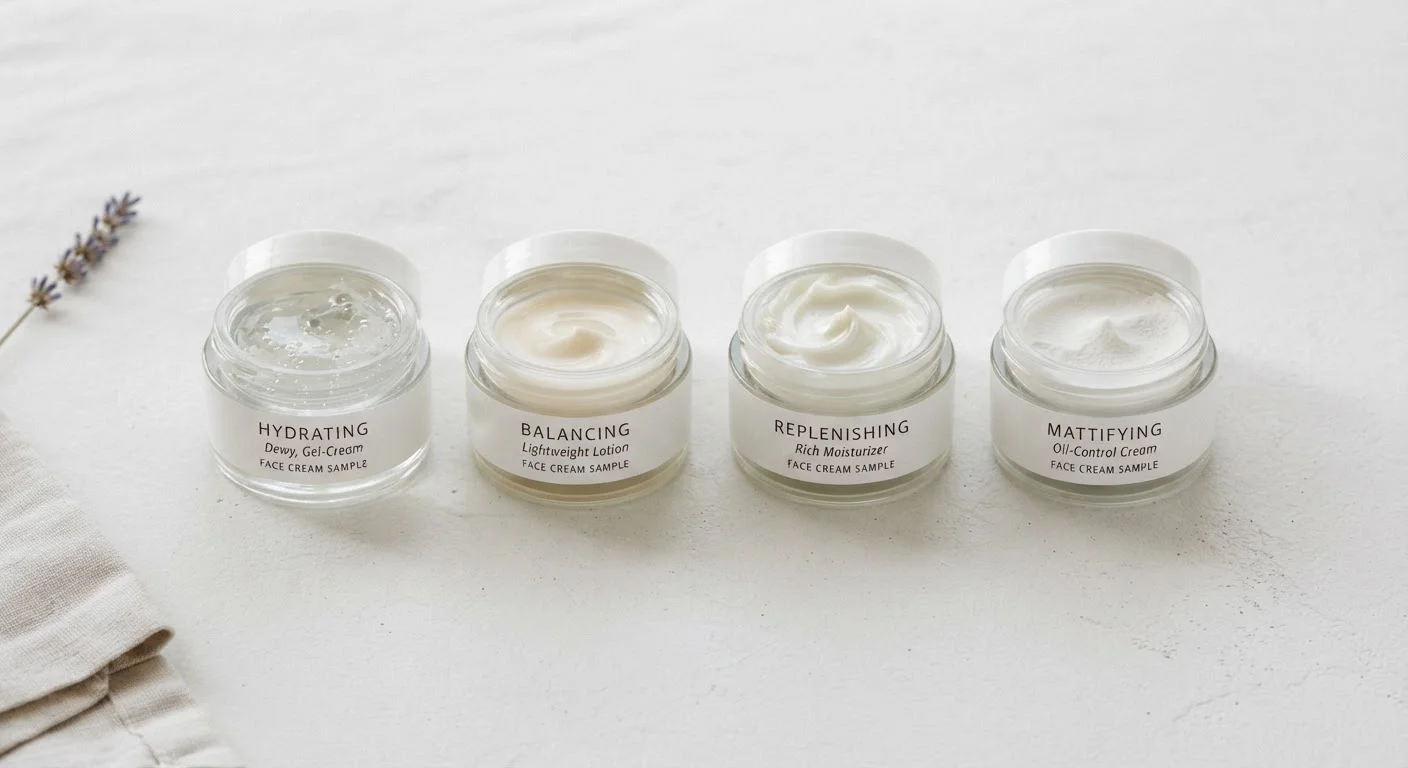
Walk into any pharmacy and you will see products labelled for oily, dry, or sensitive skin. If you reach for the wrong one, you are not just wasting money — you can actively make your skin worse. A rich, occlusive moisturiser designed for dry skin applied to an oily complexion can clog pores and trigger breakouts. A lightweight gel cleanser formulated for oily skin used on a dry face can strip away what little natural oil is there, causing irritation and tightness.
Skincare is a system, and skin type is the foundation of that system. Every decision — which cleanser to use, how heavy a moisturiser you need, whether you need extra oil control — flows from this single piece of self-knowledge. Getting it right does not require expensive tests or professional appointments. It requires understanding what each type actually means.
Skin Type vs Skin Condition: An Important Distinction
Your skin type is stable and largely genetic. A skin condition — such as dehydration, acne, or temporary redness — is changeable and often triggered by environment, diet, stress, or products. For example, you can have oily skin (type) that is also dehydrated (condition). Treating the condition does not change the underlying type, so both need to be addressed on their own terms.
The Four Skin Types — Defined Clearly
Oily skin produces more sebum than average. It often appears shiny, particularly across the forehead, nose, and chin, and is prone to enlarged pores and acne. Despite the shine, oily skin is not automatically unhealthy — sebum provides a natural barrier.
Dry skin produces less sebum and struggles to retain moisture. It can feel tight, rough, or flaky, and fine lines may appear more visible. Dry skin needs products that support its barrier and lock in hydration. See our guide to hydration vs moisturisation for why these are two distinct needs.
Combination skin is the most common type. The T-zone (forehead, nose, and chin) is oily while the cheeks remain normal or slightly dry. People with combination skin often need to treat different areas of the face differently.
Normal skin is balanced — not excessively oily or dry. Pores are small and skin feels comfortable most of the day. This is the least common type despite being frequently used as the marketing default.
~50%
People who identify as having combination skin
Dermatology literature consistently identifies combination as the most prevalent self-reported skin type across adult populations.
3–5 min
Time for skin to show its true state after cleansing
Most dermatologists recommend waiting 30–60 minutes after cleansing before assessing skin type, as initial tightness may mislead the reading.
Sensitive Skin: A Characteristic, Not a Type
Sensitive skin is frequently listed alongside the four types above, but it works differently. Sensitivity describes how reactive your skin is to products, environmental triggers, and stress — not how much oil it produces. You can have oily-sensitive skin or dry-sensitive skin; they are not mutually exclusive.
Common signs of sensitive skin include redness after cleansing, stinging when applying certain products, and a tendency to flush easily. If this sounds familiar, building a routine around sensitive skin covers how to introduce products safely and identify what triggers a reaction.
Test New Products One at a Time
If you have sensitive or reactive skin, introduce only one new product at a time and wait at least one week before adding another. This makes it possible to pinpoint exactly which product caused a reaction rather than having to remove everything at once. See our article on skin purging vs reactions to understand what normal adjustment looks like.
How to Identify Your Skin Type at Home
The most reliable DIY method is the bare-face test. Cleanse your face with a gentle, fragrance-free cleanser, then wait 30 to 60 minutes without applying anything else. After that time, observe your skin carefully:
- Shiny all over: likely oily
- Tight, rough, or flaky: likely dry
- Shiny on the T-zone only, normal or dry on cheeks: likely combination
- Comfortable, no notable shine or tightness: likely normal
Blotting papers pressed to different zones of the face can also help. Oil on the paper from the T-zone only points to combination; oil across the entire face points to oily skin; no oil but tightness points to dry.
Once you know your skin type, you will find that layering products in the right order becomes much more intuitive — because you understand what your skin actually needs at each step.