What Are Micronutrients and Why Do They Go Missing?
Macronutrients — carbohydrates, proteins, and fats — tend to get the most attention in nutrition conversations, but they're only part of the picture. Micronutrients are the vitamins and minerals your body needs in smaller amounts to carry out thousands of essential processes: producing energy, supporting immune function, building bone, and much more. For a fuller picture of how macronutrients fit alongside these smaller players, see our guide to macronutrients.
Despite being needed in small quantities, micronutrients are surprisingly easy to fall short on. Modern eating patterns — heavily weighted toward processed grains, packaged snacks, and fast food — often crowd out the fruits, vegetables, legumes, and proteins that deliver the richest micronutrient loads. The result is what researchers sometimes call "hidden hunger": a person can be eating plenty of calories while still running low on critical vitamins and minerals.
The list below covers the micronutrients that public health data consistently flag as under-consumed, along with why each one matters and which foods can help fill the gap.
Iron
Iron is essential for making hemoglobin, the protein in red blood cells that carries oxygen around the body. When iron runs low, the body struggles to deliver adequate oxygen to tissues — a condition known as iron-deficiency anemia, the most widespread nutritional deficiency globally according to the World Health Organization.
Common symptoms include persistent fatigue, paleness, and difficulty concentrating. Women of reproductive age, pregnant individuals, and people following plant-based diets are at the highest risk. Red meat and shellfish contain heme iron, which the body absorbs efficiently. Plant sources like lentils, beans, and spinach contain non-heme iron, which is less readily absorbed — pairing them with a vitamin C–rich food (such as a squeeze of lemon juice) meaningfully improves uptake.
Iron-deficiency anemia is the most widespread nutritional deficiency globally.
Vitamin D
Vitamin D supports bone health, immune function, and muscle performance. The body can synthesize it when skin is exposed to sunlight, but many people — especially those living in northern latitudes, working indoors, or regularly using sunscreen — produce far less than they need. Dietary sources are limited: fatty fish, egg yolks, and fortified dairy or plant milks are among the few practical options.
Low vitamin D is associated with weakened bones (increasing the risk of osteoporosis over time), compromised immunity, and low mood. Older adults are particularly vulnerable because skin becomes less efficient at producing vitamin D with age. This is one deficiency where supplementation is frequently recommended by clinicians, but the appropriate dose varies by individual — a blood test is the only reliable way to assess your level.
Many people produce far less vitamin D than they need due to limited sun exposure.
Iodine
Iodine is a mineral the thyroid gland uses to produce hormones that regulate metabolism, growth, and development. Severe iodine deficiency was once a major public health crisis worldwide; the widespread introduction of iodized salt largely resolved it in many countries, but it has resurfaced in populations that limit salt intake or rely on non-iodized specialty salts.
Pregnant individuals with inadequate iodine face a particularly serious risk because the fetal brain depends on maternal thyroid hormones during early development. Good food sources include seafood, dairy products, and eggs. If you primarily use sea salt, pink salt, or kosher salt — none of which are routinely iodized — consider whether your diet provides iodine through other means.
Specialty salts like sea salt and pink salt are typically not iodized.
Calcium
Calcium is the most abundant mineral in the body and the primary building block of bones and teeth. Beyond structural support, it plays essential roles in muscle contraction, nerve signaling, and blood clotting. Many people associate calcium exclusively with dairy, which can lead to shortfalls in those who avoid it without finding alternative sources.
Non-dairy calcium sources include fortified plant milks, canned fish with soft bones (like sardines), tofu made with calcium sulfate, almonds, and dark leafy greens such as kale and bok choy. Adequate vitamin D is also needed for the body to absorb calcium effectively — the two nutrients work closely together. Prolonged low calcium intake is a key driver of osteoporosis later in life.
Calcium and vitamin D work together — you need both for effective bone mineral absorption.
Magnesium
Magnesium is involved in over 300 enzymatic reactions, including those that produce energy, synthesize protein, and regulate blood pressure. It also supports nerve and muscle function and plays a role in sleep regulation. Despite its wide importance, surveys consistently find that a substantial portion of adults in the United States fall short of recommended intake levels.
Magnesium is found in whole grains, legumes, nuts, seeds, and dark green vegetables. Refined grain processing strips away much of the natural magnesium content, which helps explain why diets high in white bread and processed foods can lead to inadequacy. Subtle signs of low magnesium include muscle cramps, irregular sleep, and fatigue — symptoms that are easy to misattribute to other causes.
Grain processing strips much of the natural magnesium content from refined foods.
Vitamin B12
Vitamin B12 is required for producing red blood cells, maintaining nerve function, and synthesizing DNA. It is found almost exclusively in animal products — meat, fish, dairy, and eggs — which means people following vegan or strict vegetarian diets are at significant risk of deficiency without supplementation or fortified foods. Older adults are also vulnerable because the stomach produces less acid with age, reducing B12 absorption from food.
A B12 deficiency can take years to produce obvious symptoms because the body stores a reserve, but once depleted it can cause neurological symptoms — including numbness, balance problems, and memory difficulties — that may not fully reverse if left untreated for too long. This makes it one deficiency worth monitoring proactively, especially for plant-based eaters. Fortified nutritional yeast, plant milks, and B12 supplements are the standard strategies for those avoiding animal products.
B12 deficiency can cause irreversible neurological damage if left untreated for too long.
Building a More Nutrient-Complete Plate
The good news is that most micronutrient gaps respond well to modest, practical changes in eating habits — no exotic superfoods required. Prioritizing variety is the single most reliable strategy: rotating through different vegetables, proteins, and whole grains naturally broadens the range of vitamins and minerals you take in each week. Our guide to eating well on a budget shows how to do this without overspending.
Use Variety as Your Primary Strategy
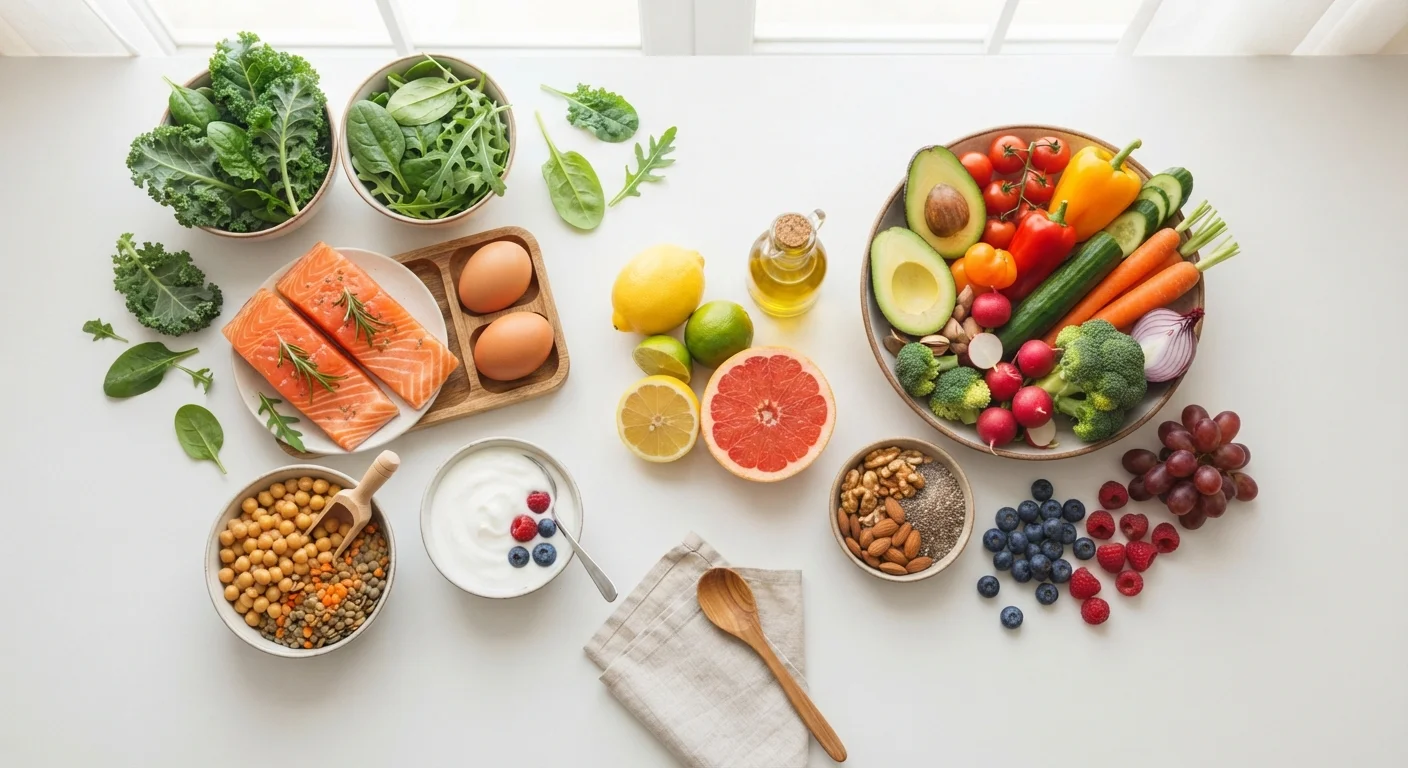
Rather than trying to track individual micronutrients, focus on eating a wide range of whole foods across different color groups, protein sources, and grain types each week. Variety naturally distributes a broader spectrum of vitamins and minerals across your diet. Our fibre gap explainer is a good companion read — many high-fibre foods also deliver key micronutrients.
If you suspect you may be deficient in one or more micronutrients, the right first step is a conversation with a healthcare provider, not a self-directed supplement routine. Blood tests can confirm whether a true shortfall exists and at what level. Supplementing unnecessarily — especially with fat-soluble vitamins like A and D — can cause harm at high doses. For a practical way to reflect on your current eating patterns, the weekly nutrition self-check is a useful starting point.
This article is for general informational and educational purposes only and is not a substitute for professional medical or dietary advice. Always consult a qualified healthcare provider before making significant changes to your diet or starting any supplement.